- Tel: +86-15305875100
- E-mail: [email protected]
- Please contact us if you have questions.
CONTACT US


 English
 Español

Industry News
Aug 28,2026
Where Can Switch Panel Power Systems Be Installed
Electrical equipment often needs a clear and practical way to manage different functions. A switch panel power system can provide a centralized location for controlling selected electrical loads, organizing switches, and keeping related controls together.
Its installation is not limited to one type of environment.
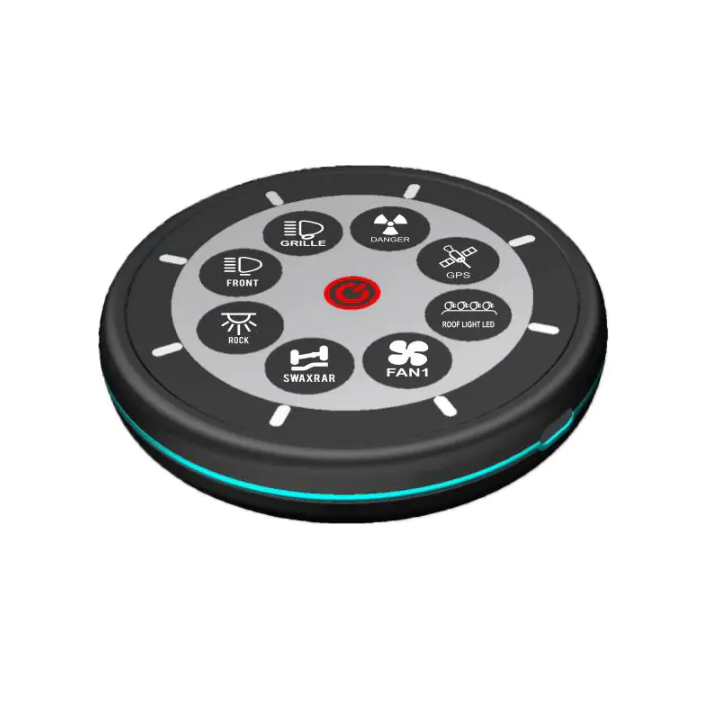
Depending on the design and intended application, switch panel can appear in vehicles, boats, recreational equipment, industrial equipment, commercial installations, workshops, and other electrical setups. The exact installation location depends on the equipment, available space, operating conditions, and control requirements.
As electrical systems become more organized, panel-based control can help users understand which functions are available and where they can be operated.
What Is a Switch Panel Power System Used For?
A switch panel system generally brings several electrical controls into one organized panel.
Instead of placing individual switches in unrelated locations, a panel can group them together. This makes the relationship between different electrical functions easier to understand.
A panel may be used to control lighting, auxiliary equipment, ventilation, pumps, accessories, or other compatible electrical functions.
The specific use depends on the system.
| Application Area | Possible Panel Function |
|---|---|
| Vehicles | Control selected electrical accessories |
| Marine Equipment | Organize onboard electrical functions |
| RVs | Manage lighting and auxiliary equipment |
| Workshops | Control selected equipment and accessories |
| Commercial Equipment | Group related electrical controls |
| Industrial Equipment | Support organized equipment operation |
| Mobile Systems | Provide centralized control for electrical functions |
The panel itself is only one part of the installation.
Wiring, power sources, connected equipment, protective devices, and the surrounding enclosure all need to be suitable for the intended application. Installation should follow applicable electrical requirements and the manufacturer's instructions.
Where Are Switch Panel Power Systems Commonly Installed?
The installation location usually depends on where users need to operate the connected equipment.
In a vehicle, the panel may be positioned within convenient reach of the driver or operator. In a boat, it may be placed in a control area where multiple onboard functions can be monitored and operated.
In an RV, a panel may be installed inside the living or control area. In industrial equipment, the panel may form part of a larger control enclosure.
The goal is similar across these environments.
Users need a practical location where electrical functions can be identified and operated without unnecessary movement.
Common installation environments include:
- Automotive interiors
- Marine control areas
- Recreational vehicles
- Mobile equipment
- Workshops
- Commercial facilities
- Industrial equipment
- Specialized electrical systems
The surrounding environment matters.
A panel installed in a dry interior space may face different conditions from one installed in a marine or outdoor setting. Product selection should therefore consider the actual installation environment rather than focusing only on the appearance of the panel.
How Do Vehicle Applications Use Switch Panel Power Systems?
Vehicles can contain more electrical accessories than the original basic equipment requires.
Additional lighting, communication equipment, charging accessories, cooling equipment, pumps, and other electrical devices may be added for different purposes.
A switch panel system can provide a central place for managing selected accessories.
This can be useful in work vehicles, recreational vehicles, service vehicles, and specialized mobile equipment.
The panel location is important.
It should be accessible to the operator without creating unnecessary distraction or interfering with other controls. The panel should also fit naturally into the vehicle's interior layout.
| Vehicle Application | Possible Controlled Functions |
|---|---|
| Work Vehicle | Auxiliary lighting and equipment |
| Recreational Vehicle | Interior and exterior accessories |
| Utility Vehicle | Work-related electrical equipment |
| Specialized Vehicle | Selected auxiliary systems |
| Off-Road Equipment | Lighting and accessory controls |
The exact configuration should match the vehicle's electrical system.
Installation also needs to account for vibration, movement, moisture, temperature changes, and other conditions that may be present in mobile equipment.
Can Switch Panel Power Systems Be Installed in Marine Applications?
Marine environments create particular installation considerations.
Boats and other marine equipment often use several electrical functions at the same time. Lighting, pumps, navigation-related equipment, communication devices, and other accessories may require organized control.
A switch panel system can group selected controls in a convenient location.
The panel may be positioned near the helm, inside a cabin, or within another designated control area.
The choice depends on the vessel's layout and the functions being controlled.
Moisture is an important consideration in marine installations. The selected panel should be suitable for the environment where it will be installed. Connections and surrounding components also need appropriate protection.
The installation should not be treated like a standard indoor electrical setup.
A marine application may involve water exposure, condensation, vibration, and movement. These conditions can affect how equipment should be mounted and maintained.
Using components intended for the actual environment can help support a more appropriate installation.
How Are Switch Panels Used in RVs and Recreational Equipment?
Recreational vehicles often combine living spaces with electrical equipment.
Lighting, fans, charging accessories, entertainment equipment, water pumps, and other functions may share the same electrical system.
A centralized switch panel can make these functions easier to organize.
The panel can be installed in an area where occupants can reach the controls without moving through the vehicle. A common approach is to place it near an existing control area or another convenient interior location.
The design should fit the available space.
An oversized panel may be difficult to integrate into a compact interior. A poorly positioned panel can also make everyday operation inconvenient.
This makes installation planning important.
Users can consider:
Accessibility
Controls should be easy to reach during normal use.
Visibility
Switch labels should be easy to identify.
Available Space
The panel should fit the selected mounting location.
Electrical Compatibility
Connected equipment should match the intended system.
Environmental Conditions
The panel should suit the conditions inside or outside the vehicle.
A practical layout can make routine electrical control feel much simpler.
Where Can Industrial Switch Panel Power Systems Be Installed?
Industrial environments can contain many electrical machines and accessories.
A switch panel may be incorporated into equipment control areas, machinery enclosures, production support equipment, workshops, or other locations where centralized control is useful.
The installation approach depends heavily on the equipment.
Some panels may be mounted directly onto machinery. Others may be placed inside a separate enclosure or control cabinet.
The operator's position is another consideration.
Controls should be located where the intended user can operate them appropriately. The panel should also be protected from conditions that could interfere with its intended operation.
Industrial environments may involve dust, moisture, vibration, heat, chemicals, or mechanical activity.
Not every switch panel is suitable for every industrial location.
The panel and related components should be selected according to the actual working environment and applicable safety requirements.
Can Switch Panel Power Systems Be Used in Workshops and Commercial Spaces?
Workshops often contain multiple pieces of electrical equipment.
Lighting, extraction equipment, pumps, chargers, auxiliary tools, and other systems may need separate controls. A switch panel can bring selected functions together.
This can help create a more organized working area.
Commercial spaces may use similar arrangements.
A facility could have different electrical functions spread across a particular area. Grouping compatible controls can make operation easier for staff and maintenance personnel.
The installation location should remain practical.
A panel should not be placed where it can be easily damaged by moving equipment or obstruct normal work.
For workshop applications, the mounting area should also be considered in relation to dust, moisture, tools, and other materials.
For commercial installations, the layout may need to consider staff access and building requirements.
The application determines the appropriate solution.
What Factors Affect Switch Panel Installation Location?
Choosing a location is more than finding an empty section of wall or equipment housing.
Several factors can influence the decision.
| Installation Consideration | Why It Matters |
|---|---|
| Accessibility | Allows users to reach the controls |
| Visibility | Helps users identify switches |
| Available Space | Determines whether the panel can fit |
| Environment | Influences product suitability |
| Wiring Route | Affects installation organization |
| Equipment Position | Helps keep controls near related functions |
| Maintenance Access | Supports inspection and servicing |
| Safety Requirements | Helps maintain an appropriate installation |
The relationship between the panel and the equipment should be considered.
A panel controlling a pump may be more convenient near the related equipment or operator area. A panel controlling interior lighting may be better positioned where occupants can easily reach it.
The wiring route also matters.
A location may appear convenient but require an unnecessarily complicated connection path. Planning the panel position together with the wiring layout can help create a cleaner installation.
How Should a Switch Panel Power System Be Selected for Its Installation Environment?
Different locations create different demands.
An indoor workshop panel may have relatively different requirements from a marine panel. A vehicle panel may need to accommodate movement and limited space. An industrial panel may need to work within a more demanding environment.
This means selection should begin with the installation conditions.
Users can ask several practical questions:
- Where will the panel be mounted?
- Who will operate it?
- What equipment will it control?
- Is the location exposed to moisture?
- Is there vibration or movement?
- How much installation space is available?
- Where will the wiring run?
- How will the panel be accessed for maintenance?
- Does the selected system match the electrical application?
These questions can help narrow the options.
A switch panel power system should be viewed as part of the wider electrical arrangement. The panel, wiring, power source, connected equipment, and mounting location all need to work together.
For mobile, marine, recreational, industrial, commercial, and workshop applications, the most suitable installation location is usually the one that combines accessibility, visibility, appropriate environmental protection, practical wiring, and compatibility with the equipment being controlled.
Related Products
Looking For Business Opportunity?
Request for a call today

No.128, Qianjin Road, Qianfeng Industrial Zone, Tangxia Town, Ruian, Zhejiang, China
-
-
Sophia Ye
-
Phone: +86-15305875100
-
WhatsApp: 15305875100
-
Email: [email protected]
-
- Mobile Terminal
Copyright 2024 Zhejiang Xiangrui Auto Electric Co., Ltd.

Relays And Modified Parts Factory
