

 English
 Español
Home / News / Industry News / Switch Panel Price Is Influenced by Materials, Design, and Manufacturing Processes
- Tel: +86-15305875100
- E-mail: [email protected]
- Please contact us if you have questions.
CONTACT US

Industry News
Aug 21,2026
Switch Panel Price Is Influenced by Materials, Design, and Manufacturing Processes
Switch panel prices can swing quite a bit from one supplier to the next, and that's rarely down to any single cause. Materials, product design, manufacturing methods, and how well a supplier manages their whole operation all play into the final number — and understanding that mix genuinely helps buyers make clearer purchasing calls.
Switch panels show up everywhere — electrical systems, industrial equipment, control applications, and plenty more besides. As requirements keep getting more varied, manufacturers are constantly juggling cost, quality, appearance, and production efficiency all at once.
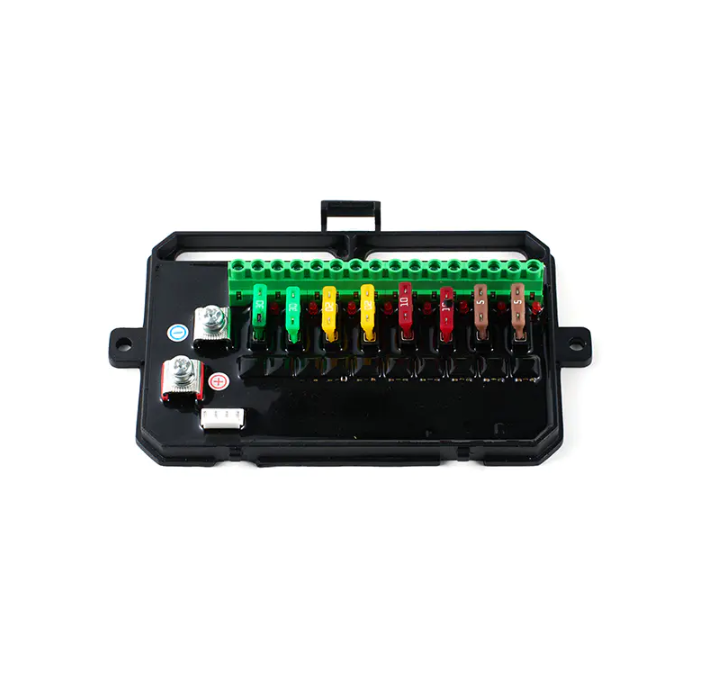
Switch panel price is never really about one thing. It's the sum of a lot of decisions made along the way, from picking materials right through to final production. Getting a handle on how these pieces fit together makes it a lot easier to actually evaluate what's in front of you.
Why Do Materials Affect Switch Panel Price?
Materials sit right at the core of switch panel production. What a manufacturer chooses here shapes cost, appearance, durability, and how the panel performs once it's actually in use.
Manufacturers weigh a lot of considerations when settling on materials — product requirements, application conditions, and what customers actually expect out of the finished piece.
| Material Factor | Influence on Price |
|---|---|
| Material type | Different materials may have different costs |
| Material availability | Supply conditions can affect purchasing expenses |
| Quality requirements | Higher requirements may increase production management needs |
| Processing difficulty | Some materials may require more careful handling |
The outer casing, internal components, protective elements — each of these might involve its own separate material decision, and each one nudges the final price a little differently.
A supplier who's genuinely careful about material management often prices differently than one running a looser sourcing approach. That's really why two switch panels that look near-identical on the surface can end up with noticeably different price tags.
Material choice isn't purely about controlling cost, either — it directly shapes how well the panel actually holds up across different environments and use cases.
How Does Product Design Influence Switch Panel Price?
Design is another big lever on switch panel . A straightforward design usually needs fewer production steps, while a heavily customized one tends to pull in extra planning and manufacturing work along the way.
Design decisions touch on appearance, user needs, installation requirements, and how the panel fits into its intended application.
A few design factors that shift pricing:
- Product structure
- Customization requirements
- Appearance preferences
- Functional arrangements
- Production preparation
Standard designs tend to be easier to produce since manufacturers can lean on processes they've already got dialed in. Custom designs, on the other hand, usually mean more back-and-forth communication and more adjustment before production even starts.
A lot of buyers focus purely on the finished product without thinking much about the design work behind it — but those early design decisions genuinely shape production time and how much gets spent along the way.
A well-thought-out design tends to give manufacturers a smoother production run, and it cuts down on unnecessary mid-production changes too.
What Role Do Manufacturing Processes Play in Switch Panel Price?
Manufacturing processes directly affect how efficiently a switch panel can be produced. Different factories may use different production methods, management systems, and workflow arrangements.
A Switch Panel Factory with organized production procedures can manage resources more effectively. This may influence the final price offered to customers.
Manufacturing-related factors include:
- Production planning.
- Worker coordination.
- Quality inspection methods.
- Equipment management.
- Process organization.
Efficient manufacturing helps reduce unnecessary steps and improves production consistency. However, improving processes also requires investment in management, training, and production systems.
The relationship between manufacturing and price is not always simple. A lower price may come from different production approaches, while a higher price may include more production support and management attention.
Buyers need to understand what is included behind the price instead of comparing numbers alone.
How Does Quality Management Affect Switch Panel Pricing?
Quality management ties closely into manufacturing cost. A switch panel maker has to keep product condition consistent while still managing production efficiency — and that's not always an easy balance to strike.
Quality control here means checking materials, reviewing each production step, and making sure finished panels actually meet what customers expect.
| Quality Management Step | Purpose |
|---|---|
| Material checking | Helps confirm suitable production materials |
| Process monitoring | Supports stable manufacturing |
| Product inspection | Helps identify possible issues |
| Feedback management | Supports future improvement |
All of this takes time and resources, and manufacturers who pay closer attention to inspection and process control often end up with a different pricing structure than those who don't.
For buyers, quality is genuinely a core part of product value. A suitable switch panel needs to meet application needs while holding up reliably over time.
Understanding how quality management and pricing connect really helps businesses evaluate their options with a lot more clarity.
Why Do Supplier Capabilities Create Price Differences?
Suppliers differ a lot in production capability, service style, and overall business setup — and all of that feeds into switch panel .
A supplier with strong production organization can usually flex more to support different customer requirements. Another supplier might just stick to a simpler, more standardized production model.
Supplier factors worth weighing:
- Production experience
- Communication efficiency
- Customer support
- Order management
- Delivery coordination
Price gaps between suppliers usually come from a combination of these factors stacking up together. A supplier's ability to manage production smoothly, solve problems fast, and genuinely support their customers all feeds into overall value.
When picking a supplier, it's worth looking past the quotation itself. The right supplier should genuinely fit the project's needs and support a long-term working relationship, not just win on price today.
How Do Market Demands Influence Switch Panel Price?
Market demand shapes pricing trends too. As customer requirements shift, manufacturers often adjust their production strategy to keep up with what's actually being asked for.
Different industries call for different switch panel designs and features, and that naturally spins off a whole range of product categories and price points.
| Market Factor | Possible Impact |
|---|---|
| Customer requirements | May encourage product adjustments |
| Industry changes | Can influence production planning |
| Supply conditions | May affect material management |
| Product development | Can create new design needs |
Manufacturers have to balance customer demand against production efficiency, and a genuinely flexible production system helps them keep pace when market conditions shift.
For buyers, understanding these market pressures goes a long way toward explaining why switch panel varies between suppliers, or even between different product lines from the same supplier.
How Can Buyers Evaluate Switch Panel Price More Effectively?
Choosing a switch panel based only on price may not provide a complete picture. Buyers need to consider materials, design, manufacturing processes, and supplier support together.
A practical evaluation approach includes:
1. Understand Product Requirements
Before comparing prices, buyers should identify their application needs. Clear requirements make supplier communication easier.
2. Compare Product Details
Different products may use different materials, designs, and production methods. A detailed comparison helps reveal the reasons behind price differences.
3. Review Supplier Support
Supplier communication and service ability can influence the overall purchasing experience.
4. Consider Long-Term Value
A suitable product should support stable use and match business needs over time.
A careful evaluation process helps buyers understand the real value behind Switch Panel .
What Trends Are Changing Switch Panel Price in the Electrical Industry?
The electrical industry keeps evolving as users push for more flexible, more practical solutions — and that's reshaping how manufacturers design and price switch panels.
More customized designs
Customers increasingly want products tailored to specific applications, pushing manufacturers toward more flexible production methods that can actually keep up.
Better production management
Factories are tightening up internal processes, aiming for smoother workflows and smarter use of resources across the board.
Increased focus on product value
Buyers are paying a lot more attention these days to how price, quality, and service support all connect together, rather than judging on price alone.
These trends really underline how switch panel price threads through so many parts of the manufacturing process at once. Materials, design, and production methods keep shaping how suppliers build and price what they sell.
Getting a solid grip on these factors lets businesses make far more informed choices when picking switch panels for whatever application they've got in mind.
Related Products
Looking For Business Opportunity?
Request for a call today

No.128, Qianjin Road, Qianfeng Industrial Zone, Tangxia Town, Ruian, Zhejiang, China
-
-
Sophia Ye
-
Phone: +86-15305875100
-
WhatsApp: 15305875100
-
Email: [email protected]
-
- Mobile Terminal
Copyright 2024 Zhejiang Xiangrui Auto Electric Co., Ltd.

Relays And Modified Parts Factory
