Boating delivers moments of freedom that many people cherish, whether gliding across a peaceful lake at sunrise or handling choppy coastal waters on a weekend adventure. As electrical demands on boats continue to grow, owners often look for reliable ways to manage power. Dual battery isolators have become a common solution for vessels running separate starting and house batteries.
Why Power Management Matters on the Water
Modern boats carry more electronics than ever before. Fish finders, chartplotters, radios, LED lights, bilge pumps, live wells, refrigerators, and even small fans all draw current at different times. A single battery often struggles to handle both engine starting and these accessory loads, especially during longer outings or overnight stays.
Many owners start with one battery and later add a second one. The starting battery delivers the strong surge needed to crank the engine. The house battery (also called the service or auxiliary bank) powers everything else. Without proper separation, these two banks can drain each other, leaving you with a weak starting battery when you need it most.
A dual battery isolator helps solve this by controlling how charging current moves between the batteries and the alternator. It allows the alternator to charge both banks while the engine runs, then automatically separates them when the engine stops. This setup protects your starting power while letting accessories run from the house bank.
Understanding Boat Electrical Needs
Every boat is different. A small 16-foot fishing skiff used for afternoon trips has lighter demands than a 30-foot cruiser that stays out overnight. Salt air, spray, vibration, and temperature changes all affect electrical components, making marine-rated parts important.
Key factors that influence your setup include:
Tracking your actual power usage for a few outings gives you a clearer picture. Many boaters note that adding just a few accessories quickly changes their needs. An isolator becomes useful when those loads start pulling power after the engine is off.
How Dual Battery Isolator Work
The device sits between the alternator and your two batteries. During engine operation, the alternator produces power. The isolator directs this current to both the starting battery and house battery as needed.
When you shut off the engine, the charging voltage drops. The isolator then breaks the link between the two batteries. House loads continue drawing only from the house bank, while the starting battery stays isolated and ready for the next start.
This automatic process happens quietly in most cases. You do not need to flip switches every time you start or stop the engine. A simple voltmeter at the helm lets you see both banks charging together and then holding steady separately afterward.
Different Types of Dual Battery Isolator
| Type | How It Operates | Common Characteristics in Boat Use |
|---|---|---|
| Diode-based | Uses semiconductor diodes | Reliable, produces some heat, simple construction |
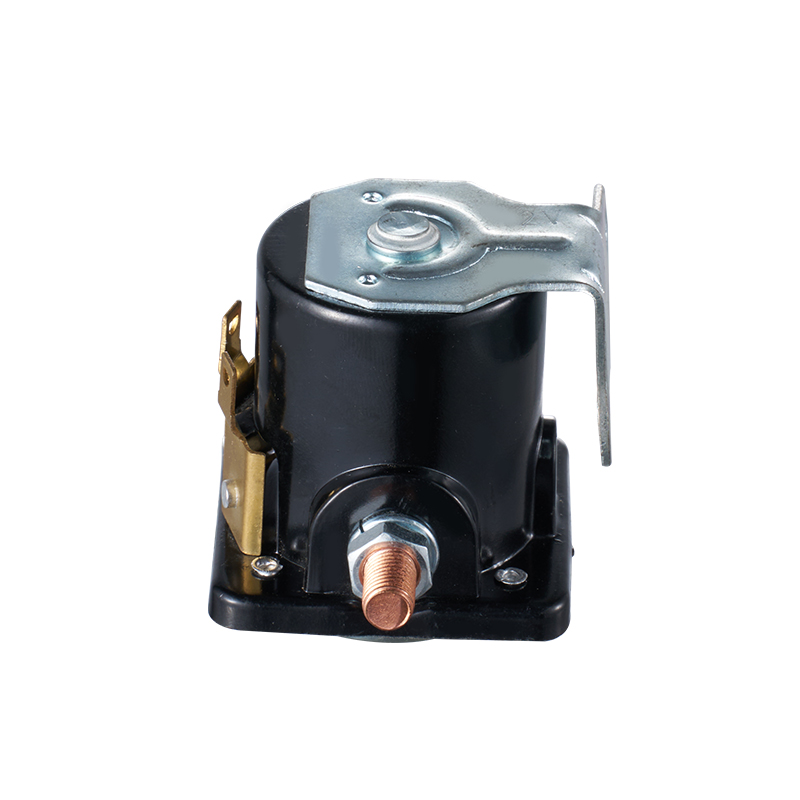
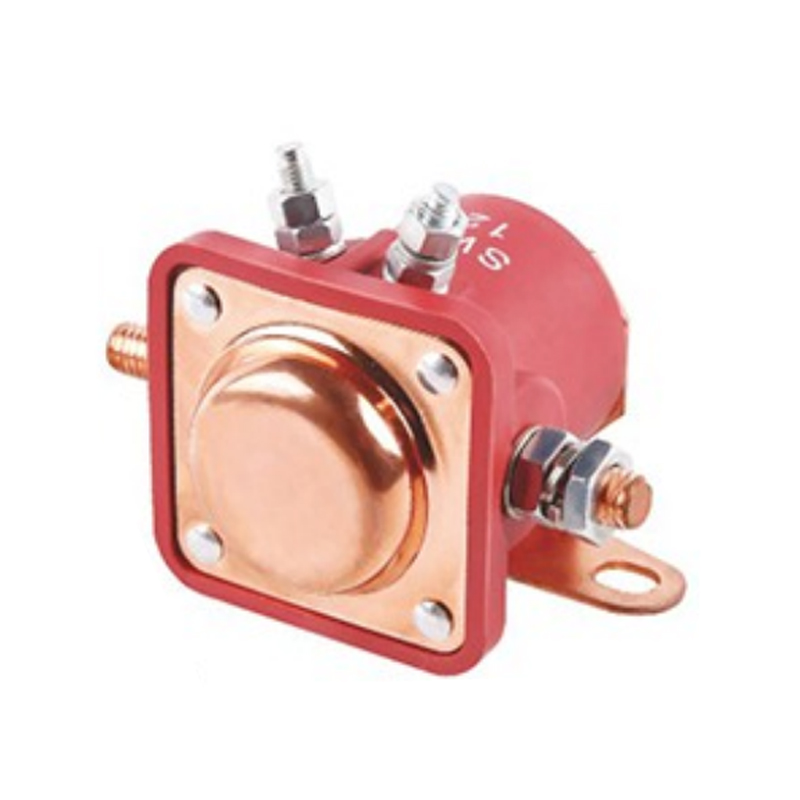
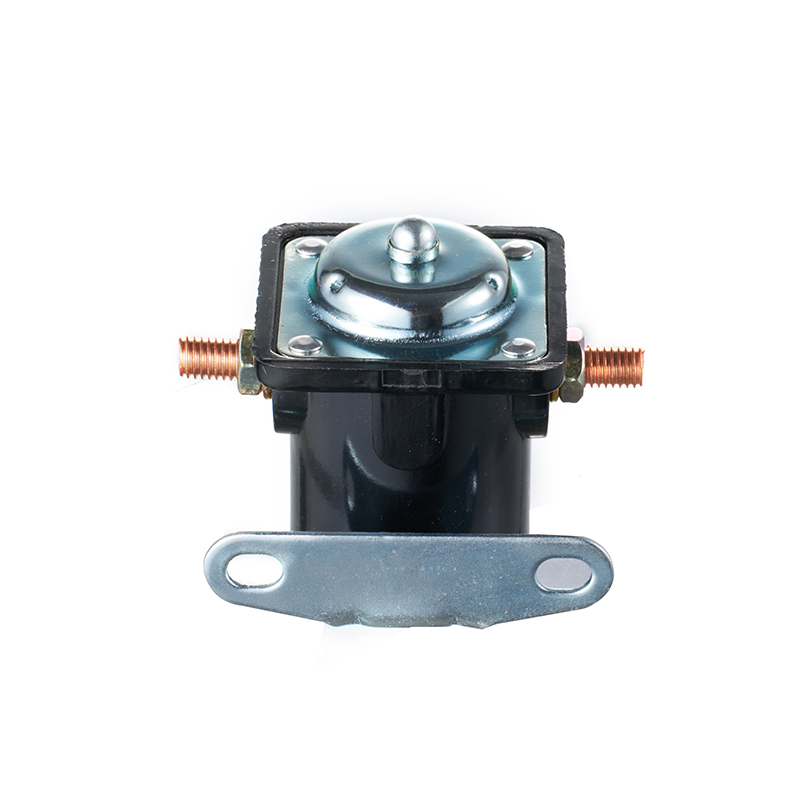
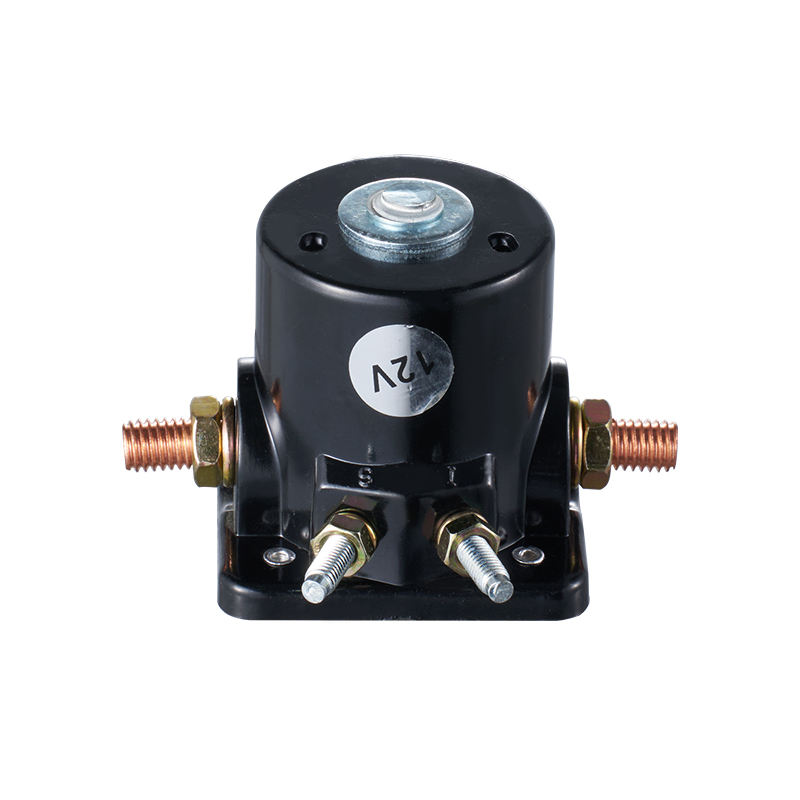
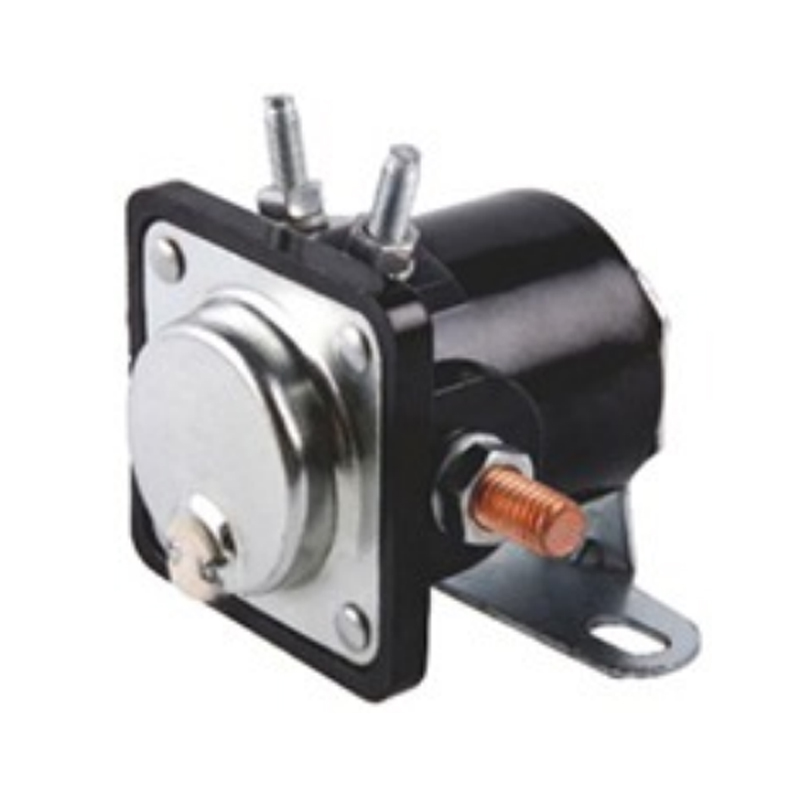
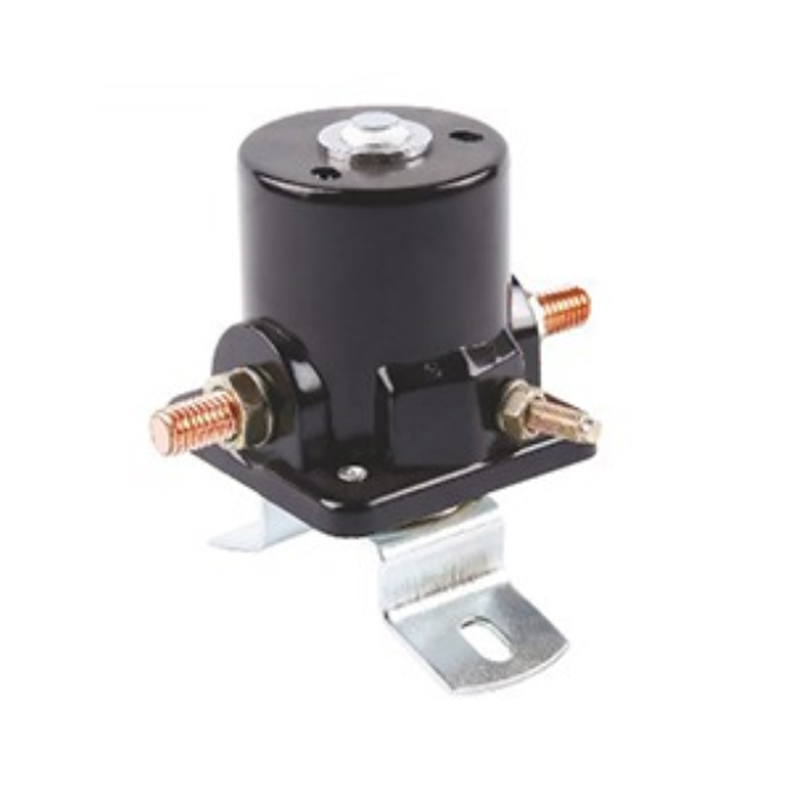
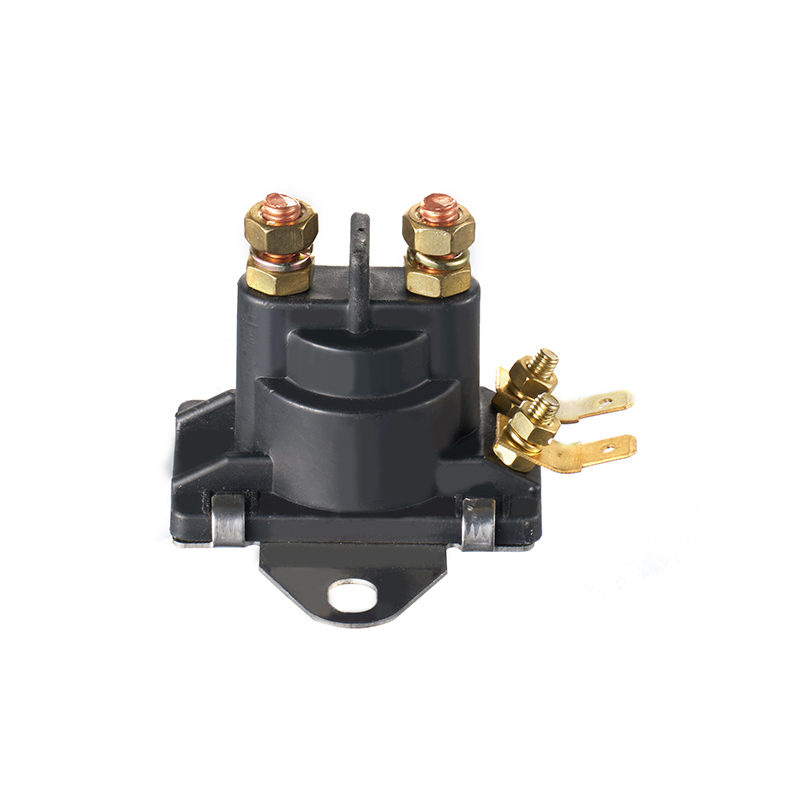
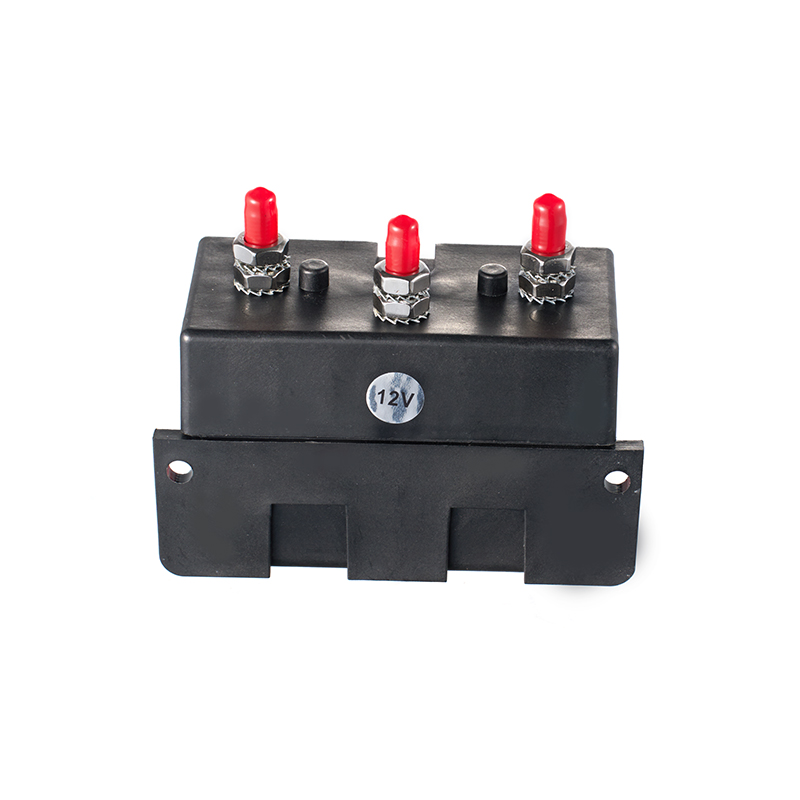
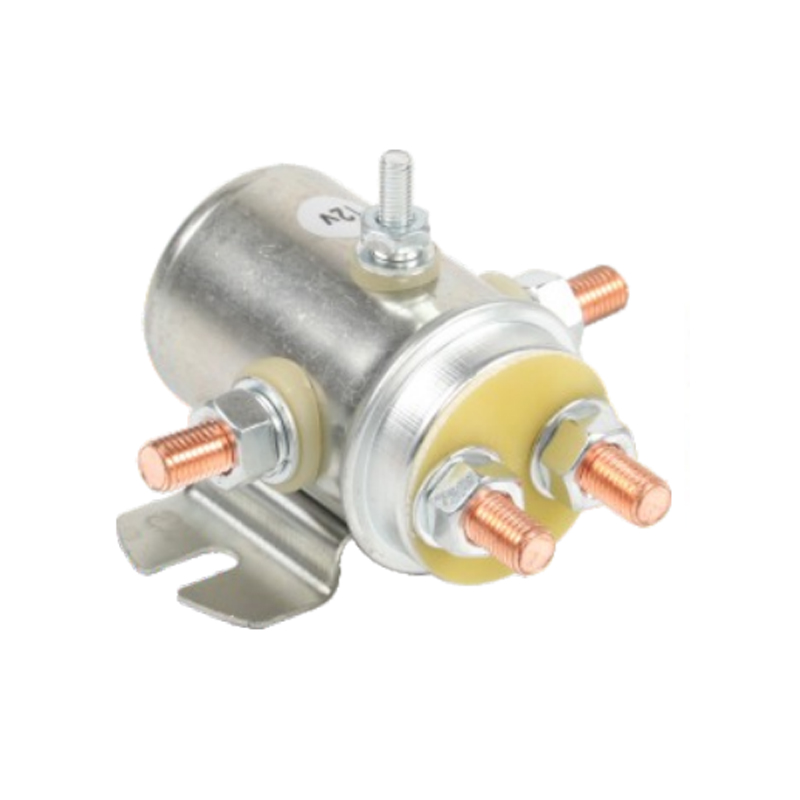
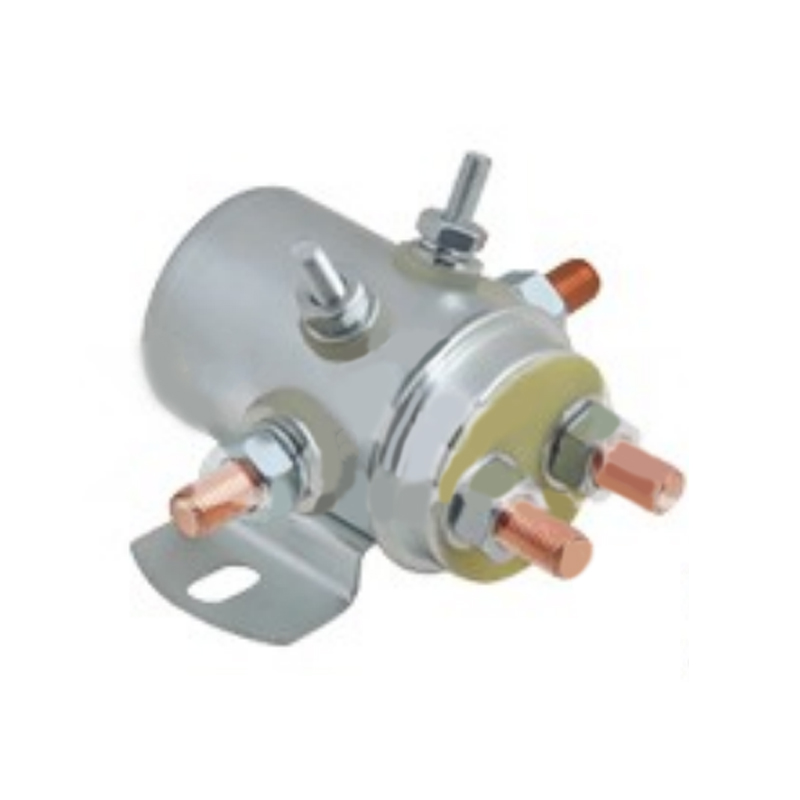
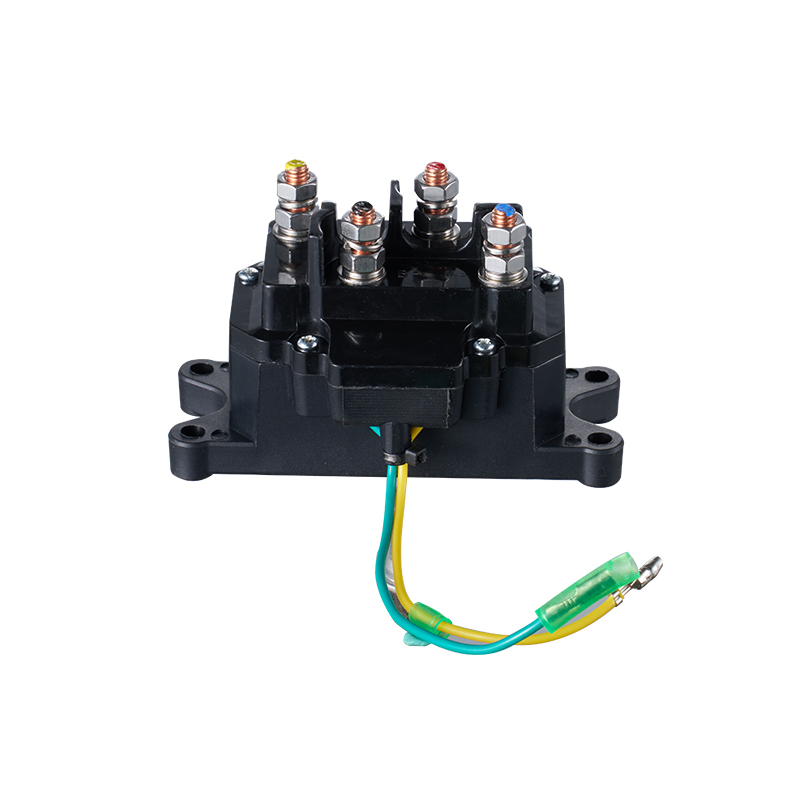
| Relay / Solenoid | Electromagnetic switch engages | Audible click when activating, good current flow |
| Electronic / Voltage-sensitive | Monitors voltage levels | Fast response, works well with varying engine speeds |
| Solid-state | Uses electronic components (no moving parts) | Quiet operation, durable in vibration |
Choose based on your boat's layout, available mounting space, and how you normally operate. Many owners discuss options with local marine technicians to match their specific wiring.
Real-World Situations Where Isolators Help
Consider a typical day on a center-console fishing boat. You leave the dock early, run electronics for hours while drifting, and keep the live well circulating. At the end of the day, the engine starts right up because the starting battery was protected.
On a family cruiser, you anchor in a quiet bay. Kids turn on music and lights while dinner is prepared. The house battery handles the load, and the starting battery remains ready for the trip home the next morning.
Sailors who motor in and out of harbors often appreciate the same benefit. Even trailer boats benefit — reliable power on the water means less worry when launching the next time.
Planning and Installing a Dual Battery Isolator
Preparation steps most owners follow:
Safety always comes first:
Disconnect the negative terminals of all batteries before starting work. Wear eye protection and use insulated tools.
Mount the isolator in a dry area with some airflow. Keep cable runs short and protected from chafe. Use properly sized fuses or breakers near each battery. Label every wire clearly — "Starter", "House", and "Alternator Input" — to make future maintenance easier.
After installation, test thoroughly. Start the engine and watch voltages rise on both banks. Shut down, turn on some house loads, and confirm the starting battery voltage stays stable.
Wiring Tips for Reliable Performance
Many setups keep a manual battery switch in the system. This gives you the option to combine batteries temporarily during an emergency while letting the isolator handle normal daily charging.
Maintaining Your Battery System
Regular care extends the life of batteries and the isolator.
Monthly checks to perform:
During off-season storage, follow standard battery charging guidelines. Many owners disconnect the isolator or simply leave it in place while keeping batteries maintained.
Common Questions Boat Owners Ask
How does the isolator know when to connect or separate the batteries?
It responds to voltage from the alternator. Higher voltage during charging connects the banks. When voltage drops, it separates them.
Can I install it myself?
Many owners with basic wiring experience complete the job successfully. If you feel unsure about marine standards, a qualified technician can handle it properly.
Will it work with my battery types?
Most isolators are compatible with common marine batteries (lead-acid, AGM, etc.), but matching charging characteristics helps performance.
Do I still need a battery switch?
Many people keep one for flexibility and backup options.
What if something goes wrong?
A manual switch often allows temporary operation. Check fuses and connections first — these simple steps solve many issues.
Expanding Your Electrical System Later
As your boating needs change, you may add solar panels, wind generators, or shore power chargers. Many owners wire these to the house bank while keeping the isolator in the main alternator circuit. Inverters and monitoring displays can integrate smoothly when planned carefully.
Dual battery isolators offer a practical way to manage two batteries without constant manual switching. They support the way many people actually use their boats — enjoying time on the water instead of worrying about dead batteries.
Take time to understand your own usage patterns. Talk with other boaters in your area and consider your specific layout. A well-planned electrical system, including proper isolation when needed, contributes to safer and more relaxing days afloat.
Whether you run a small fishing boat, a weekend cruiser, or a larger vessel, paying attention to power management helps avoid problems and keeps the focus where it belongs — on the experience of being out on the water.
Request for a call today