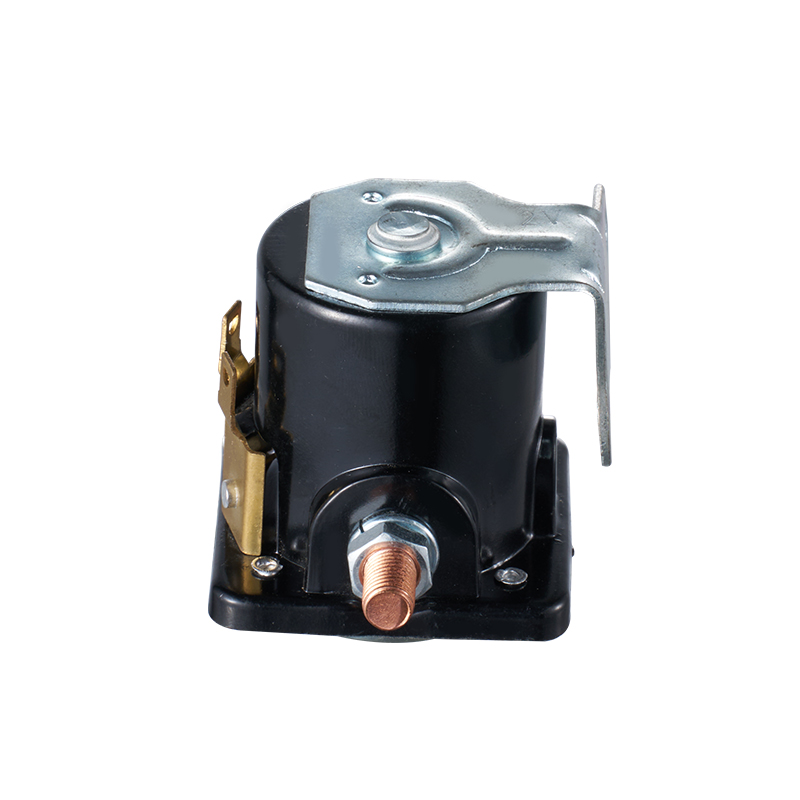
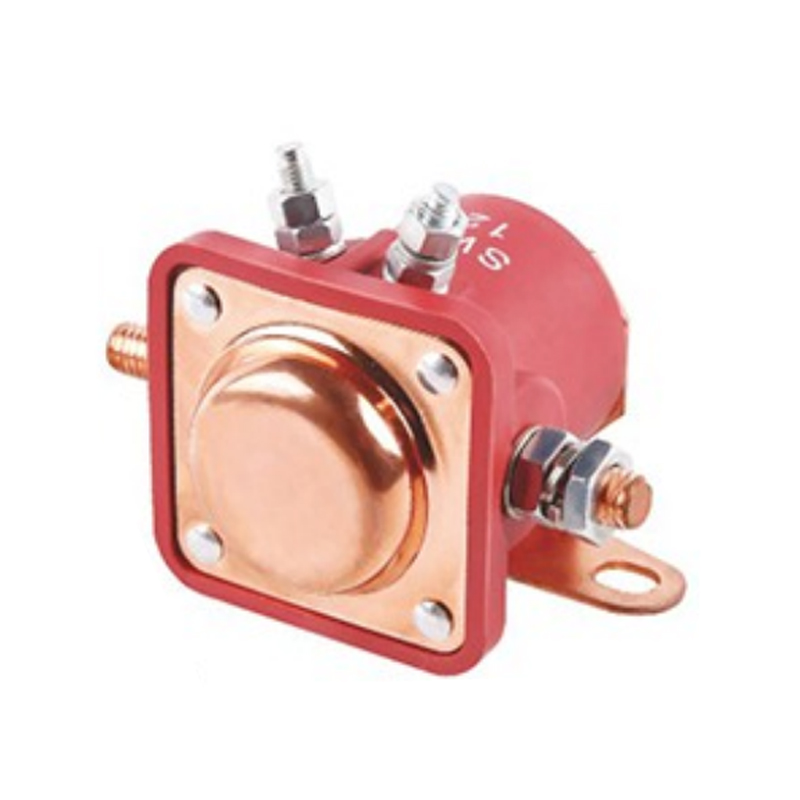
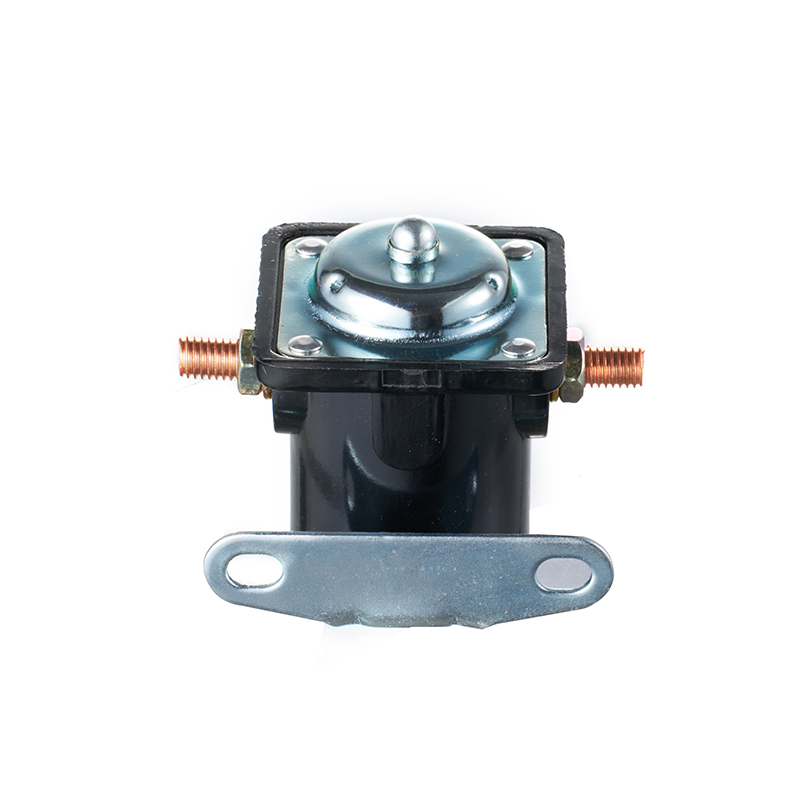
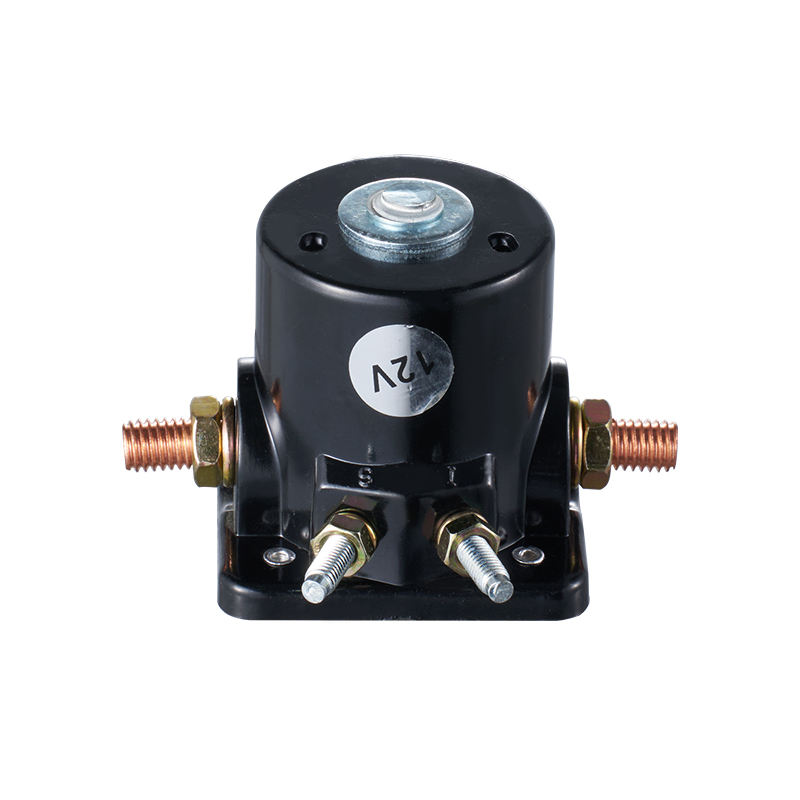
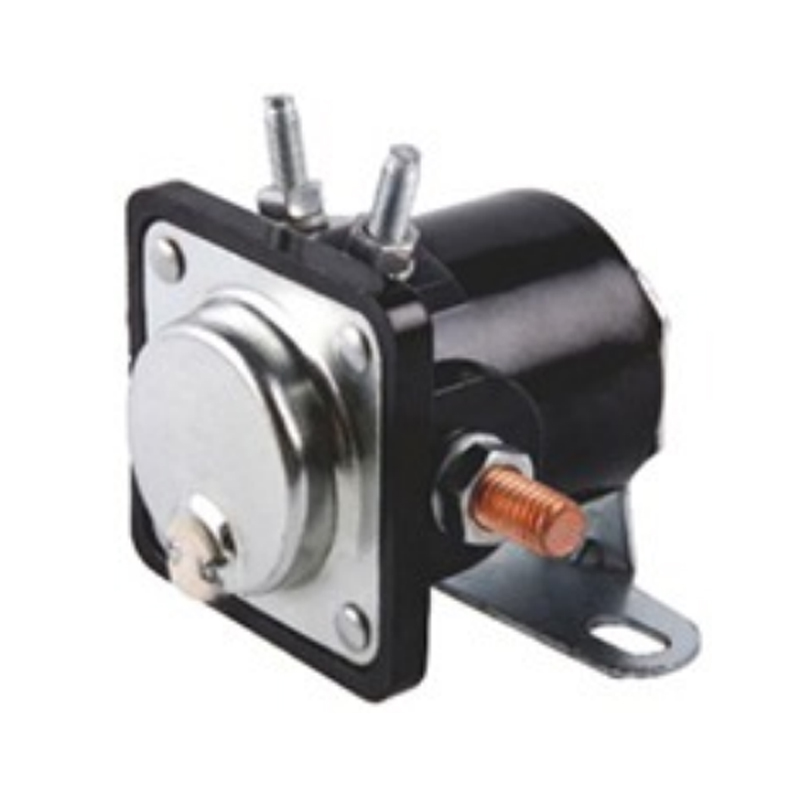
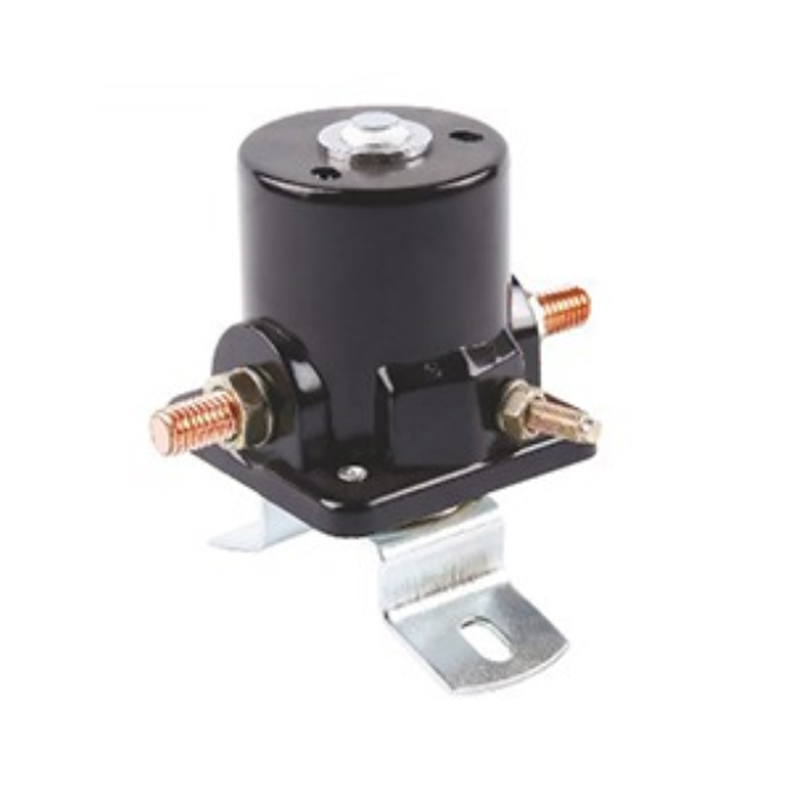
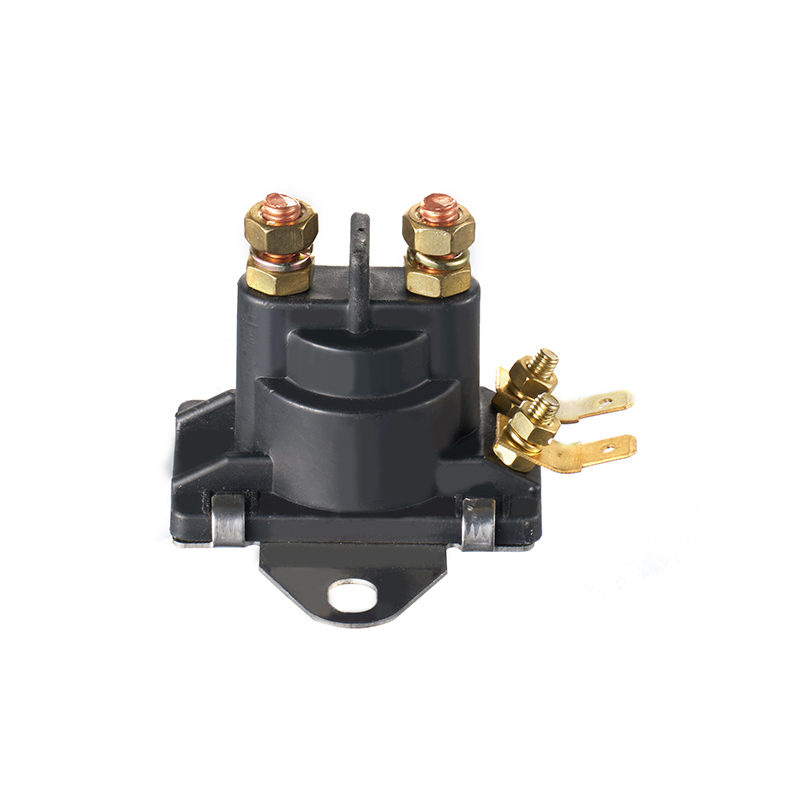
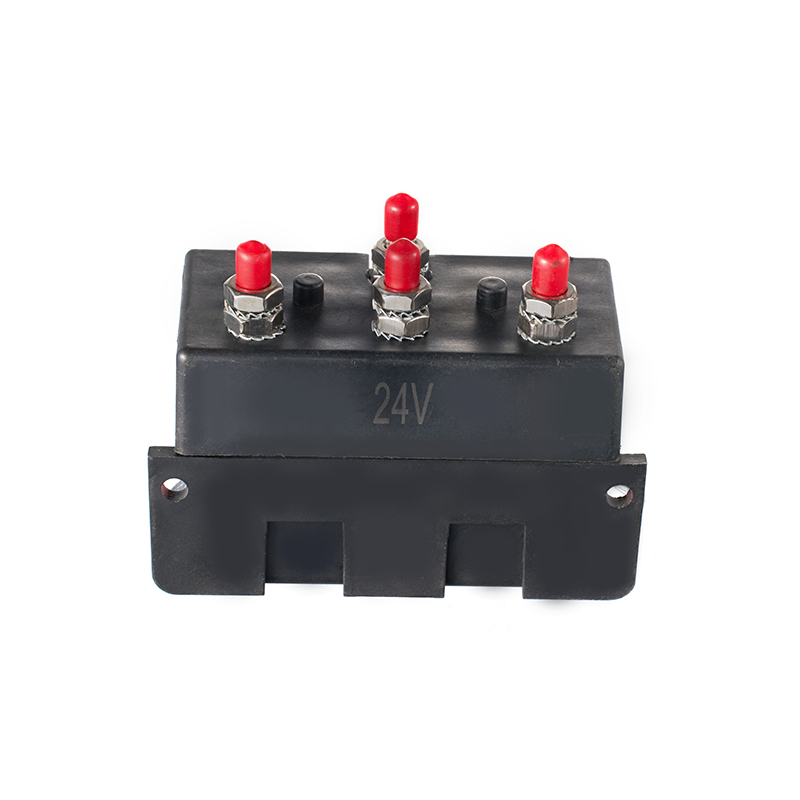
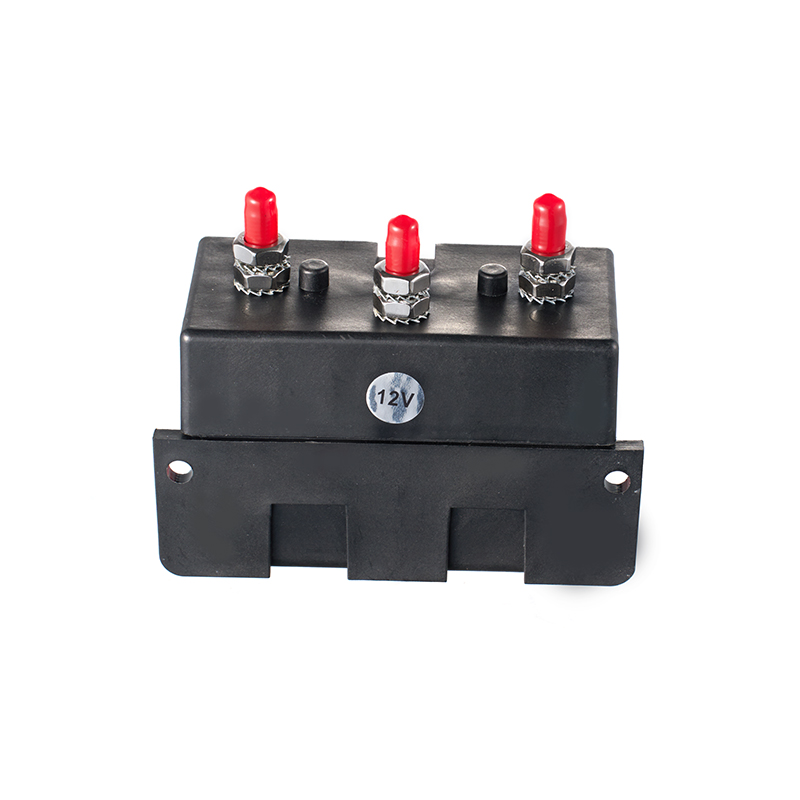
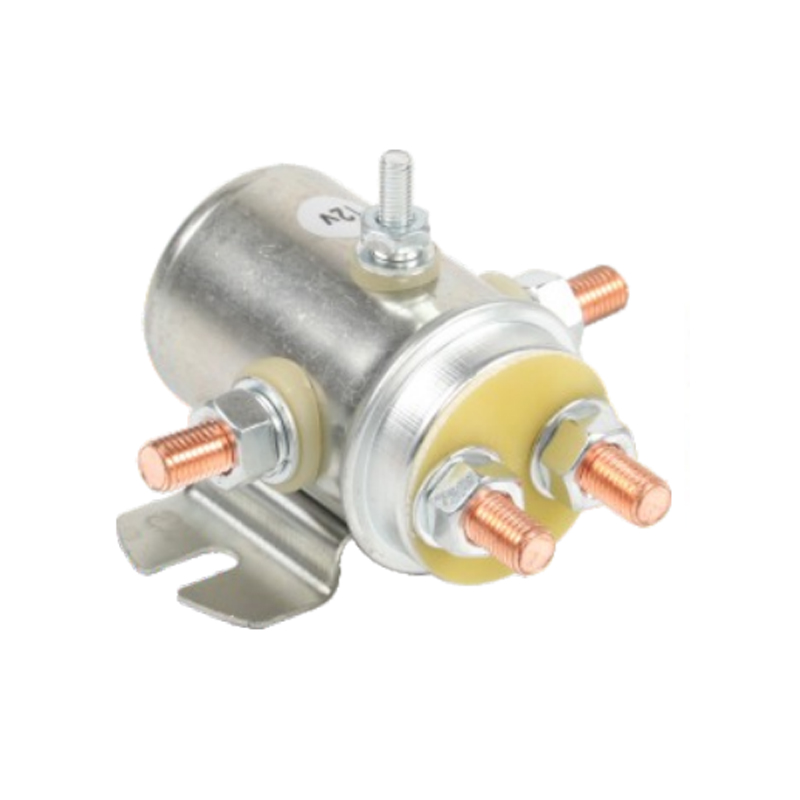
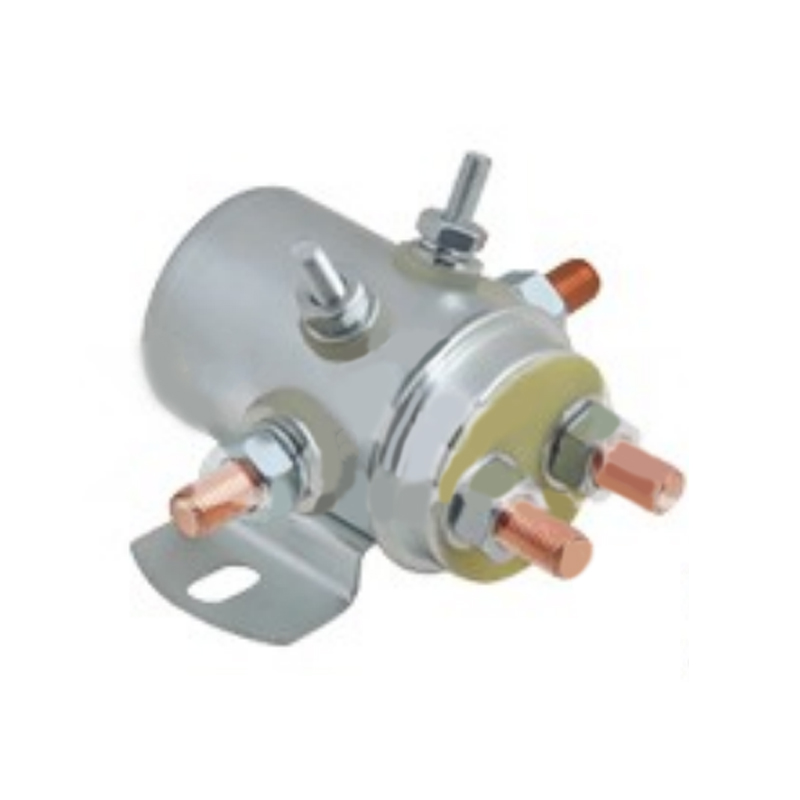
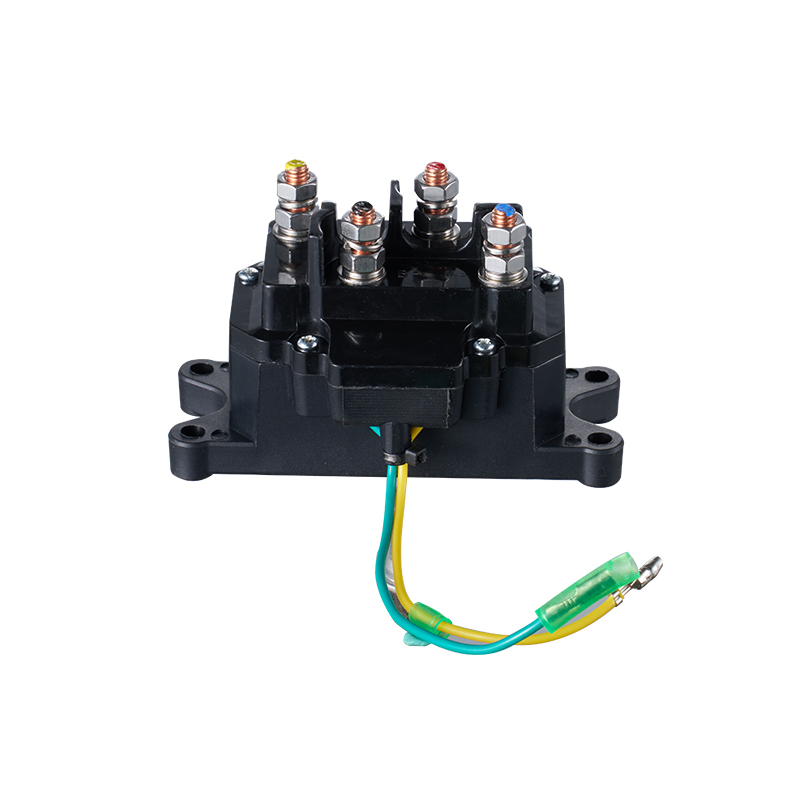
In many industrial environments, a General-purpose Relay is still used as a basic but practical switching element. It is often installed inside control panels, machinery systems, and automation cabinets where electrical signals need to be managed between different circuit levels.
Even though industrial control technology has developed into more digital and software-driven systems, relay-based switching continues to appear in real projects. The reason is not complexity, but usability in everyday electrical design. It provides a clear and physical way to connect control signals with operational equipment.
In actual factory or workshop conditions, this kind of component is usually not noticed by operators. It works quietly inside control boxes, responding to signals and helping different parts of a system communicate through electrical switching.
The basic idea behind relay operation in real systems
At a simple level, a relay is a switching device that uses a small electrical signal to control a separate circuit. The important point is that the control side and the load side are electrically separated.
In industrial control systems, this separation is useful because it helps protect sensitive control devices from higher load circuits. Instead of sending power directly through a controller, the system sends a low-level signal to the relay, and the relay handles the switching.
This structure is widely used in practice because it allows different parts of a system to work together without being directly exposed to each other’s electrical conditions.
In daily engineering applications, relay switching can be found in:
How the switching process happens in practice
Inside an industrial control system, the relay does not operate independently. It reacts to signals sent from controllers, switches, sensors, or programmable devices.
When a signal reaches the relay, the internal coil receives energy. This creates a physical response inside the device, which changes the position of the internal contacts. These contacts then open or close another circuit.
Although the process sounds simple, it plays an important role in system coordination.
A typical working sequence can be described like this:
Why relay devices are still used in modern industrial setups
In many newer systems, digital controllers and programmable logic devices handle most decision-making tasks. However, relay components are still included in system design for practical reasons.
One key reason is that industrial environments are not always uniform. Different machines, voltage conditions, and wiring structures exist within the same facility. Relay devices help bridge these differences.
Another reason is installation flexibility. In many cases, engineers prefer using relay modules because they can be integrated into existing control panels without changing the entire system structure.
In real projects, relay use is often connected to:
common field usage patterns of relay systems
| Application scenario | Functional role | Typical behavior in operation |
|---|---|---|
| Motor control panels | Switching control signals | Equipment start and stop coordination |
| Industrial automation | Signal routing | System response coordination |
| Lighting control circuits | Load switching | Controlled activation cycles |
| Safety interlock systems | Circuit isolation | Preventing unintended operation |
| Auxiliary machine logic | Supporting control flow | Supplementary signal handling |
Structural behavior inside relay components
Although relay designs may vary depending on application, the internal structure follows a similar concept. It usually includes a coil section, a moving mechanical part, and a set of electrical contacts.
When electrical energy is applied to the coil, a magnetic effect is generated. This effect moves a mechanical element inside the relay, which then changes the connection state of the contacts.
This mechanical interaction is one of the reasons relay devices are still widely understood by technicians and engineers. The operating principle is visible in physical form, unlike purely digital switching systems.
In industrial maintenance environments, this makes troubleshooting more straightforward because changes in behavior can often be linked to mechanical or electrical contact conditions.
Relay behavior in continuous industrial operation
In real industrial environments, equipment often runs through repeated cycles. Relays may switch multiple times depending on system logic and machine activity.
During continuous operation, relay behavior is influenced by:
Over time, relay performance is usually observed as part of overall system stability rather than as a separate element.
Operators and maintenance personnel often notice relay-related behavior indirectly through system response rather than the component itself.
Environmental factors that influence system performance
Industrial environments vary widely, and relay systems are often installed in conditions that include vibration, temperature variation, and electrical interference.
Although control panels are designed to protect internal components, external conditions can still influence overall system behavior.
Some practical environmental considerations include:
Wiring layout and system integration approach
In industrial control design, relay wiring is usually arranged in a structured and organized manner. This helps ensure that signals can be traced and maintained when needed.
A typical wiring arrangement includes:
Good wiring organization is important not only for installation but also for future maintenance work, especially in complex systems with multiple control layers.
practical application areas in industry
Interaction with modern automation systems
In modern industrial automation, relay devices often work alongside programmable controllers and digital control systems. Instead of replacing each other, they are commonly combined.
Controllers handle logic decisions, while relays handle physical switching of circuits. This division of roles helps maintain system structure and simplifies expansion.
In practice, this combination allows:
Maintenance and long-term usage considerations
In industrial environments, relay components are usually part of routine maintenance checks. Maintenance focus is not only on the relay itself but also on its role in the system.
Common inspection points include:
Regular inspection helps maintain consistent system operation and reduces unexpected interruptions in production processes.
System-level role in industrial design
When viewed from a system perspective, relay devices function as part of a broader control network. They are not standalone elements but part of an integrated electrical structure.
A General-purpose Relay continues to be a practical component in industrial control systems today. Its role is not defined by complexity but by its ability to connect control signals with real electrical loads in a structured and reliable way.
In real applications, it operates as part of a larger system that includes controllers, wiring networks, and field devices. While industrial technology continues to evolve, relay-based switching remains a familiar and widely applied method in many engineering environments.
Request for a call today