In many vehicles and mobile power systems today, electricity is no longer just about starting an engine and keeping lights on. People are plugging in more equipment than before. Refrigerators in RVs, navigation tools on boats, cameras, radios, work lights, charging devices… all of these slowly change how power is actually used.
A single battery setup can still work in simple cases, but once more devices are added, things start to feel a bit tight. One battery ends up handling everything, and that usually means it gets drained faster than expected.
This is where a dual battery setup starts to make sense. Instead of forcing one battery to do all the work, the system splits responsibilities. One battery is mainly reserved for starting the engine. The other one takes care of extra electrical demand.
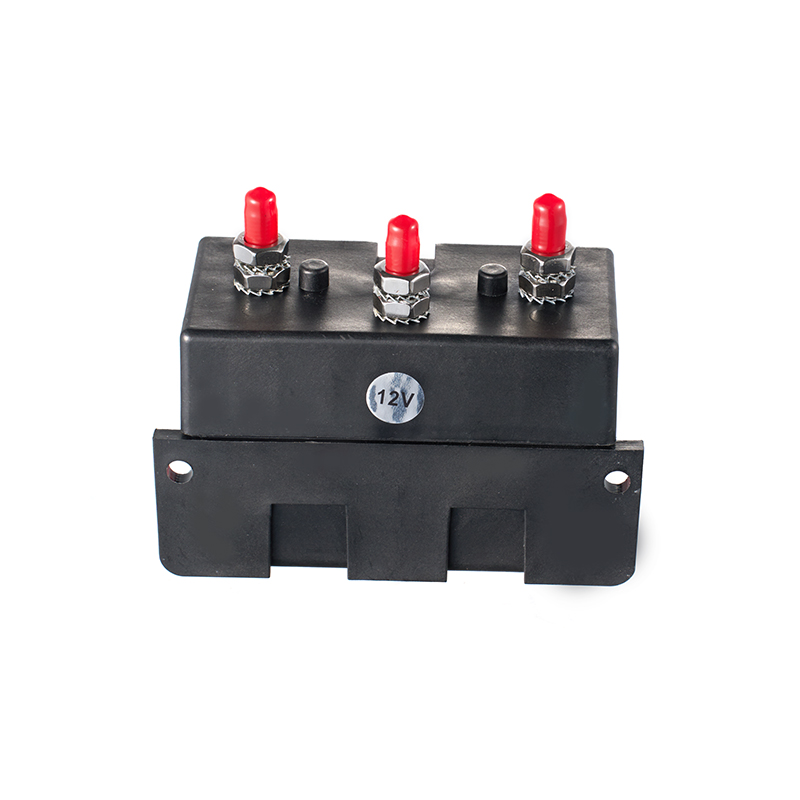
Between these two batteries, there is usually a small but important component called a dual battery isolator. It does not generate power. It does not store energy. What it does is manage how power moves between the two batteries so they do not interfere with each other in the wrong way.
In real-world use, this small control function can help keep the system more stable and predictable.
Before getting into how the isolator works, it helps to understand why the system is even split into two batteries in the first place.
In practical setups, batteries are often divided like this:
This separation is not just a technical preference. It is more about avoiding inconvenience during operation.
When everything runs on a single battery, a few things can happen:
By splitting the roles, each battery works in a more controlled range instead of constantly switching between light and heavy loads.
It is not about making the system more complex. It is more about keeping it easier to manage in daily use.
A dual battery isolator sits between the two batteries and acts like a decision-maker for energy flow.
It does not "push" power. It simply decides when the two batteries should share charging and when they should stay separated.
In simple terms, it helps answer three basic questions inside the system:
Based on these conditions, the isolator switches its state automatically in most setups.
From a user point of view, it feels like the system is "self-managing" battery behavior without manual control.
Even though the internal structure may vary, the working behavior can usually be understood through three everyday situations.
When the engine is off
At this point, the system is quiet. There is no charging source running.
This is the state where the isolator is essentially acting as a barrier.
When the engine starts running
Once the engine is on, the alternator begins producing electricity. The system voltage starts to rise.
At this moment:
Instead of one battery being charged while the other is ignored, both receive energy in a balanced way.
When the engine is turned off again
After shutdown, the voltage level drops.
This step is important because it prevents accessories from slowly draining the battery that is needed for starting.
The switching behavior is not random. It is usually based on simple detection logic.
Most systems rely on one or more of the following ideas:
The goal is not to react instantly to every small change. Instead, the system avoids unnecessary switching and focuses on stable conditions.
This is why most isolators feel smooth in operation once installed correctly.
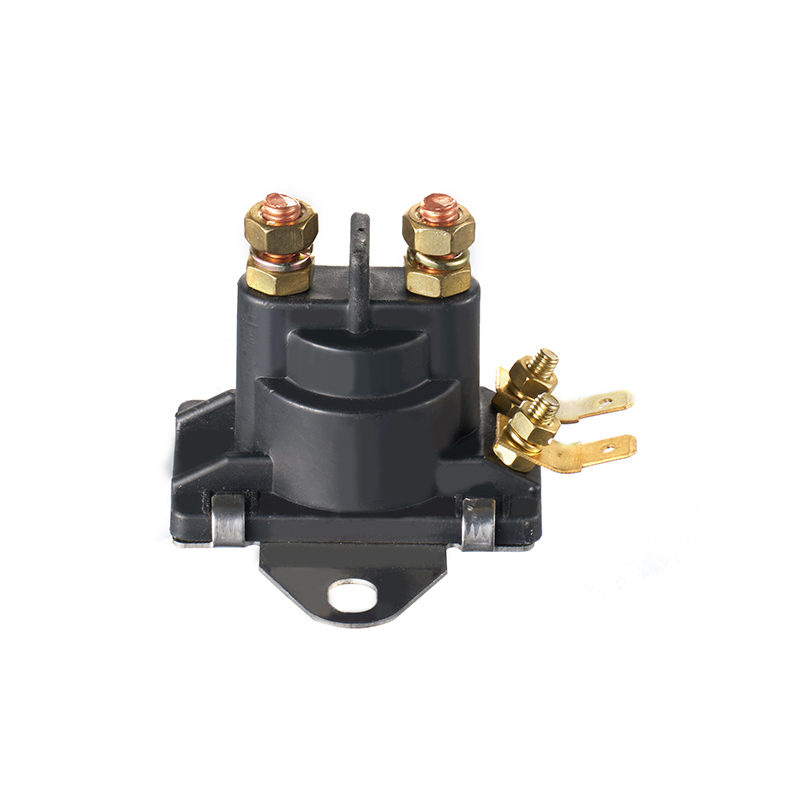
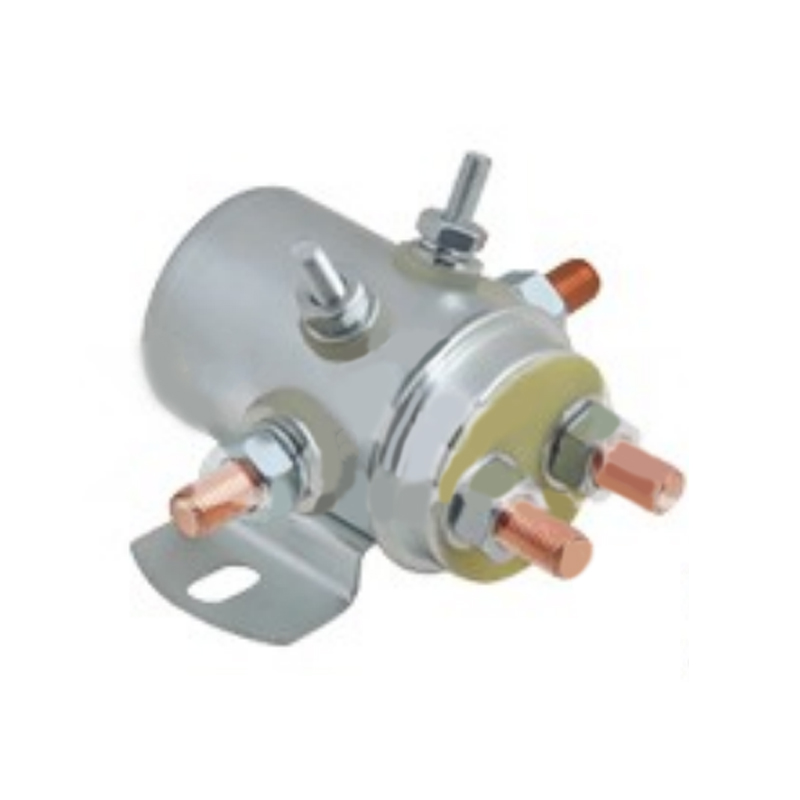
Relay-based structure
This is one of the more common approaches in basic setups.
It works by physically connecting or disconnecting the circuit when conditions are met. It is relatively straightforward and widely used in everyday automotive systems.
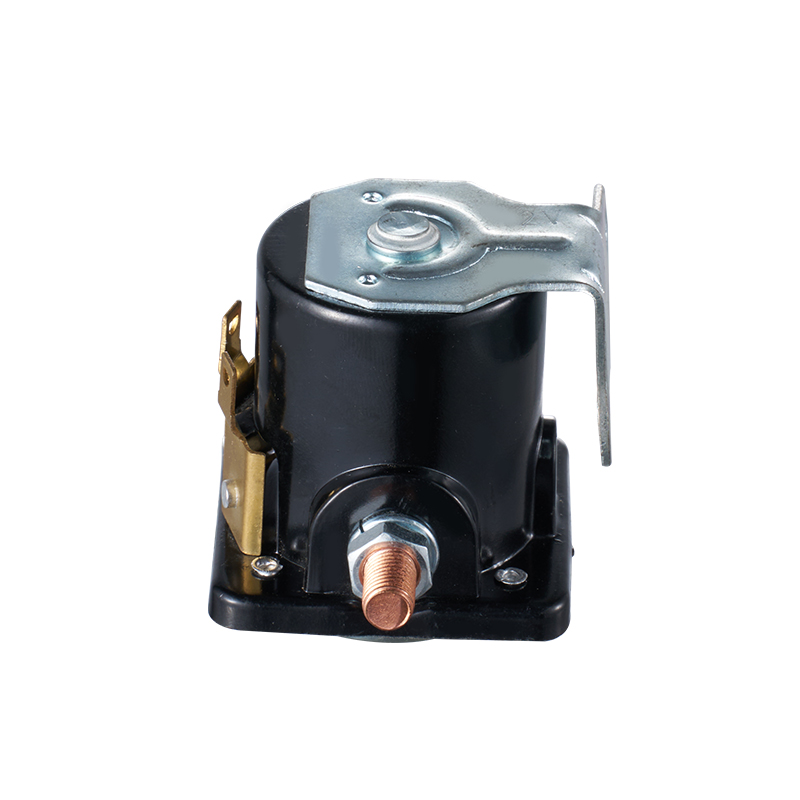
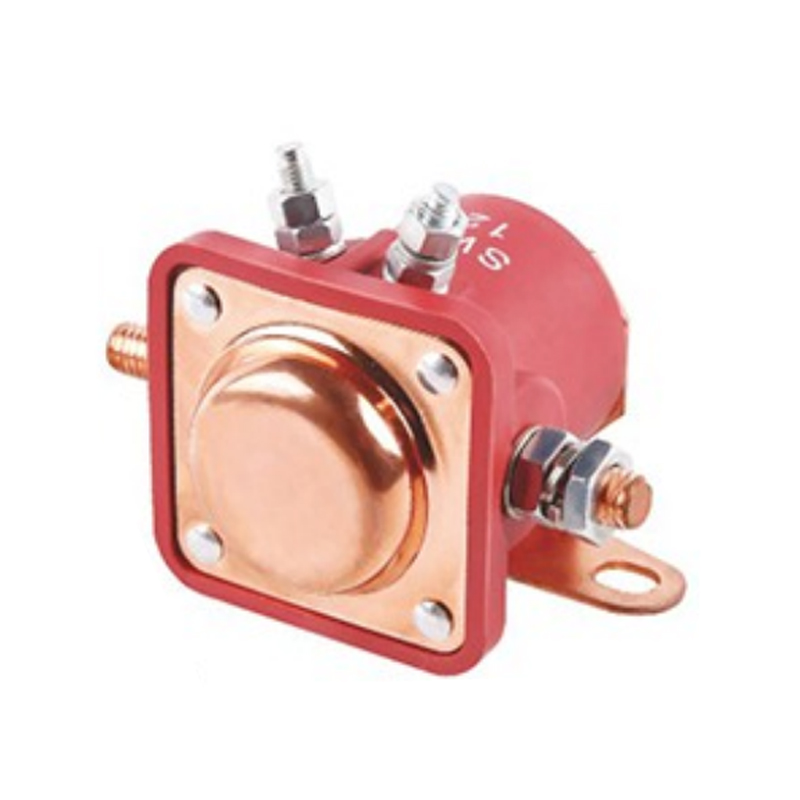
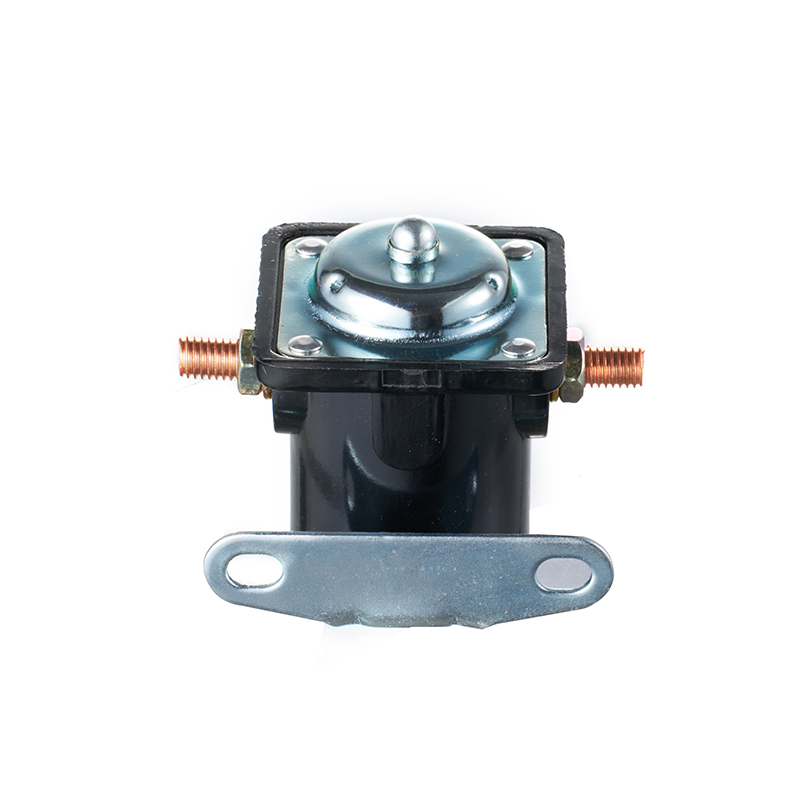
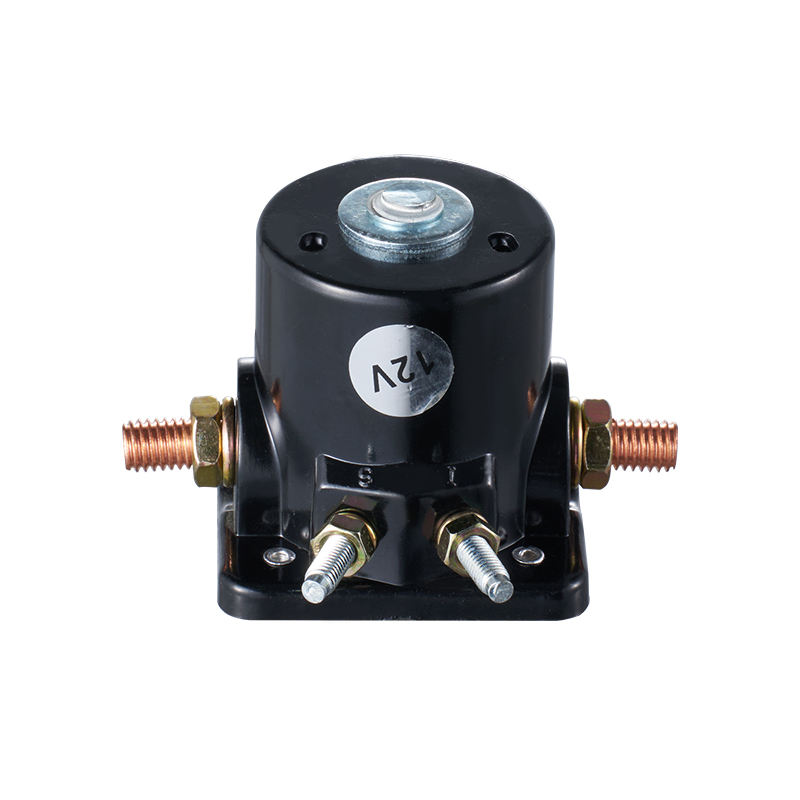
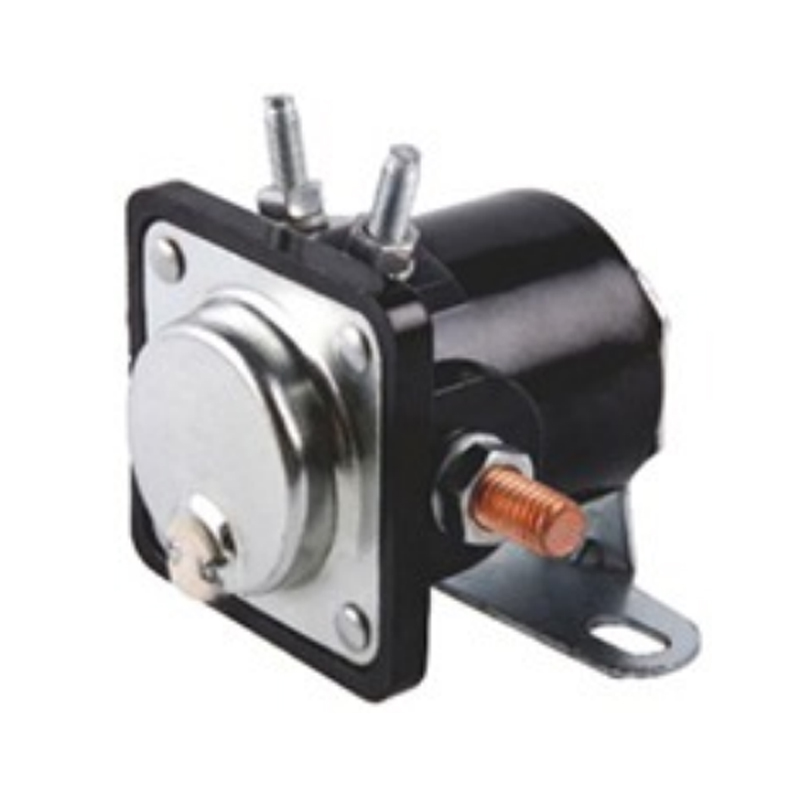
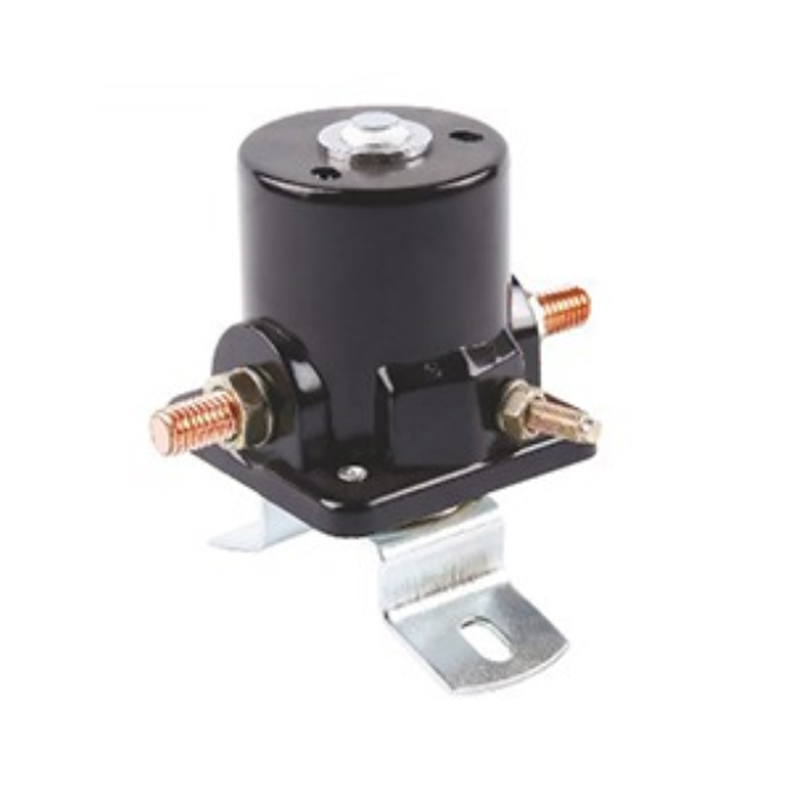
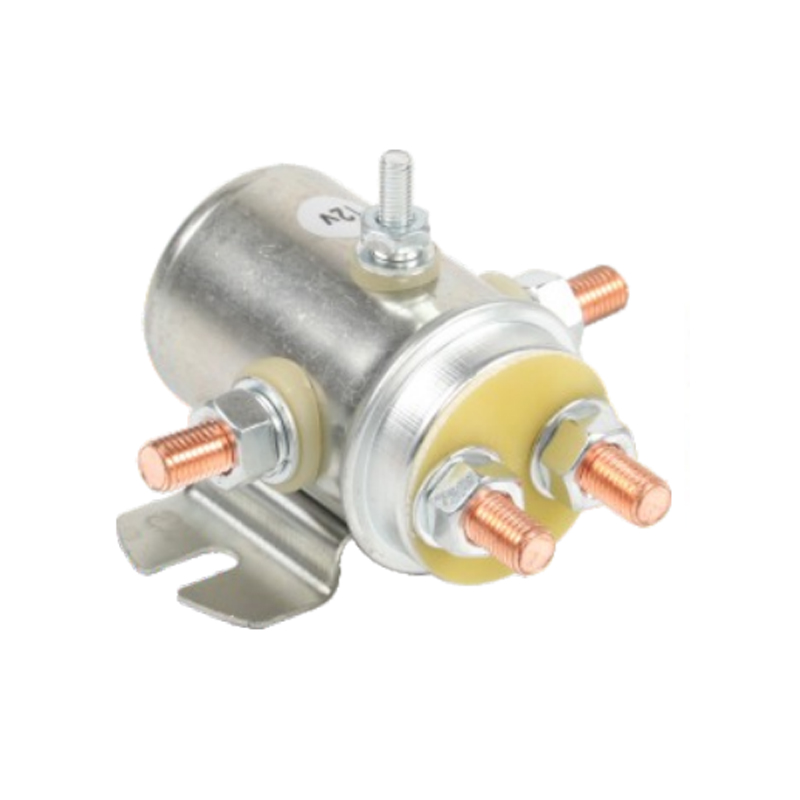
Solenoid-based switching
This type is often used when the system needs to handle stronger electrical demand.
Instead of small signal switching, it uses an electromagnetic mechanism to manage connection between batteries. It is often chosen in heavier working environments.
Diode-based control method
Some systems use semiconductor components to control direction of current.
This approach does not rely on moving parts. Energy only flows in one direction, which helps prevent backflow between batteries.
There is a small trade-off in energy behavior, but the structure is simple and stable.
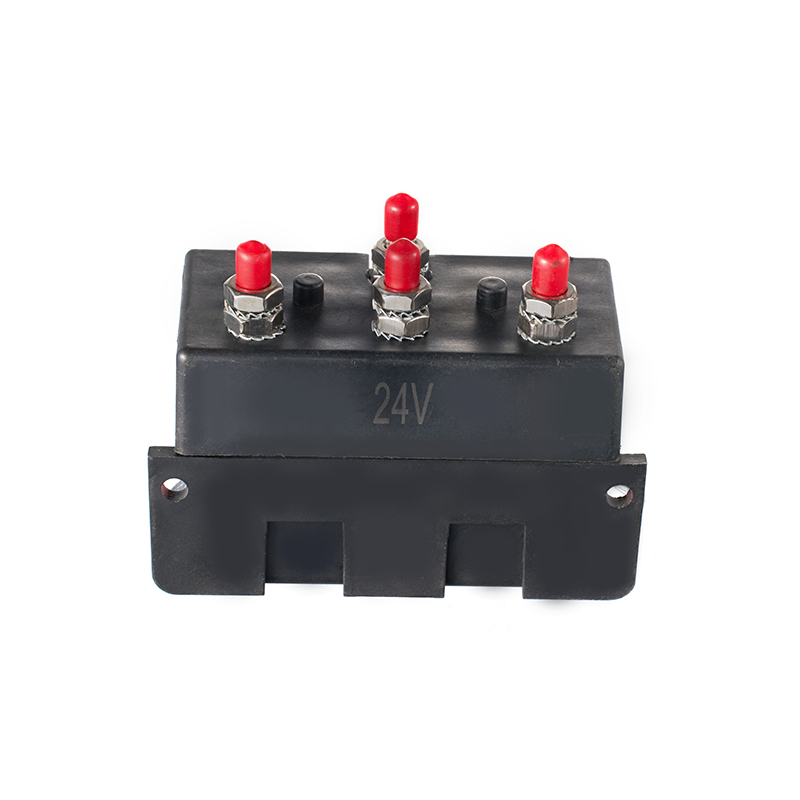
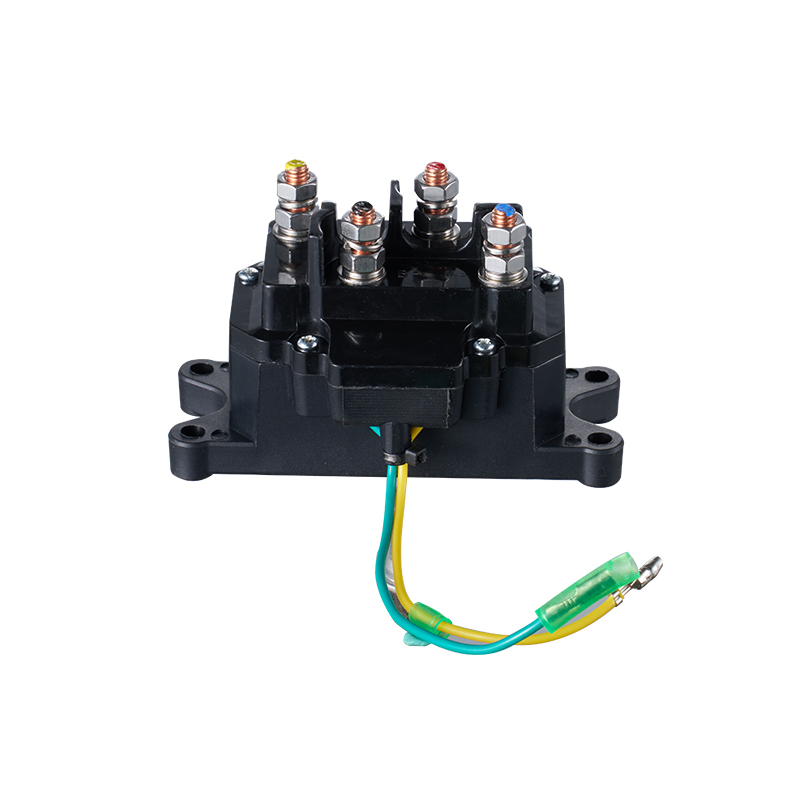
Electronic charging controller type
More modern setups may use electronic control modules.
These systems do not just switch connection. They also adjust charging behavior depending on battery condition and system needs.
They are often used in setups where battery type and charging behavior need more control.
Instead of thinking of the system as static, it helps to imagine it as something that changes state depending on usage.
When driving or running the engine:
When parked or idle:
This shift happens automatically, without user input in most designs.
Vehicle environments
In regular cars, trucks, and utility vehicles, extra electrical equipment is becoming more common. Things like lighting upgrades, onboard tools, or communication devices often require stable power support.
Marine environments
On boats, power systems are often used for navigation and safety-related equipment.
RV and travel setups
In mobile living environments, electricity is part of daily comfort.
Remote and off-grid systems
In areas without stable grid access, energy planning becomes important.
A dual battery isolator is not a complicated device, but it plays a quiet and steady role inside modern power systems. It helps keep two batteries from interfering with each other while still allowing controlled energy sharing when needed.
In practical use, this kind of setup supports more stable electrical behavior in vehicles, boats, RVs, and off-grid systems. It is not about making the system advanced for the sake of complexity. It is more about keeping energy flow organized and predictable in everyday conditions.
When the system is designed and installed properly, the result is usually smoother power behavior without the user needing to think too much about what is happening behind the scenes.
Request for a call today