- Tel: +86-15305875100
- E-mail: [email protected]
- Please contact us if you have questions.
CONTACT US


 English
 Español

Industry News
Jan 16,2026
Solid-State Versus Electromechanical Relays in Construction Trucks
Relay Choices in Construction Trucks
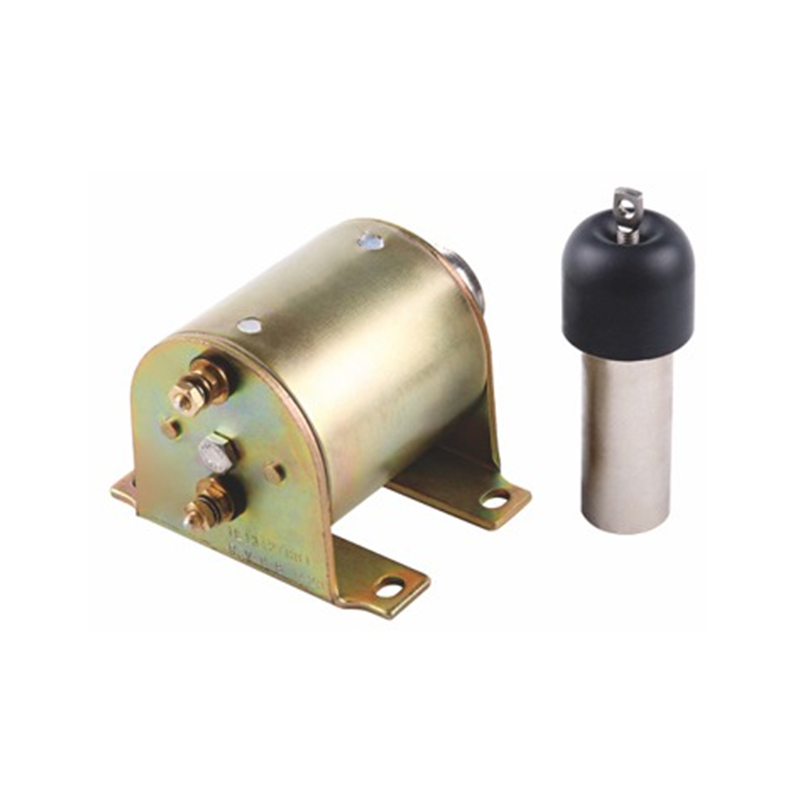
Electrical systems in construction trucks must operate reliably under harsh conditions such as vibration, dust, temperature extremes, and heavy electrical loads. One key design decision involves choosing between solid-state relays and traditional electromechanical relays. Both types are commonly used as a Construction Truck Relay depending on system requirements, cost constraints, and performance expectations.
Basic Working Principles of Both Relay Types
- Before comparing advantages and disadvantages, it is important to understand how these two relay types function.
- Electromechanical relays use a coil to generate a magnetic field that physically moves contacts to open or close a circuit.
- Solid-state relays use semiconductor components, such as transistors or thyristors, to switch electrical current without moving parts.
This fundamental difference strongly influences performance, durability, and maintenance needs in construction truck environments.
Advantages of Electromechanical Relays in Trucks
- Traditional electromechanical relays remain widely used in construction trucks due to several practical benefits.
- They can handle very high surge currents, which is useful for starters, solenoids, and hydraulic systems.
- Their contact-based design provides clear electrical isolation between control and load circuits.
- They are generally more tolerant of voltage spikes and transient conditions.
- Replacement cost is relatively low, making them economical for large fleets.
These characteristics make electromechanical relays suitable for heavy-duty, high-current applications.
Disadvantages of Electromechanical Relays
Despite their strengths, electromechanical relays have limitations that become apparent in demanding operating conditions.
- Mechanical contacts wear out over time due to arcing and repeated switching.
- Switching speed is slower compared to semiconductor-based devices.
- Continuous vibration can cause contact bounce or mechanical failure.
- An audible clicking noise may be undesirable in certain applications.
In construction trucks with frequent switching cycles, these factors can reduce long-term reliability.
Advantages of Solid-State Relays in Construction Vehicles
Solid-state relays offer a modern alternative that addresses many mechanical limitations.
- They have no moving parts, resulting in longer service life.
- Switching is extremely fast and precise, improving control accuracy.
- They are highly resistant to vibration and mechanical shock.
- Silent operation eliminates noise-related concerns.
These advantages make solid-state relays attractive for electronic control systems, sensors, and automation functions.
Disadvantages of Solid-State Relays
However, solid-state relays also present challenges when used in construction truck environments.
They typically generate more heat and may require additional heat dissipation.
- Current leakage in the off state can affect sensitive circuits.
- They are generally more expensive than electromechanical relays.
- Surge current handling is often lower, requiring careful system design.
- Improper selection can cause overheating or unexpected circuit behavior.
Performance Under Harsh Environmental Conditions
- Construction trucks operate in environments that test reliability and durability.
- Solid-state relays excel in high-vibration and dusty conditions.
- Electromechanical relays perform better under extreme current surges.
- Temperature extremes affect both types, but in different ways.
- Environmental factors often influence which relay technology performs more reliably in a given application.
Maintenance and Lifecycle Considerations
- Maintenance strategies also differ significantly between relay types.
- Electromechanical relays may require periodic replacement due to wear.
- Solid-state relays reduce mechanical failure but need thermal monitoring.
- Fault diagnosis is often simpler with traditional relays.
- Balancing maintenance cost against expected service life is critical for fleet management.
- Choosing the Right Relay for Construction Trucks
In practice, many construction trucks use a combination of both relay types.
High-current loads often rely on electromechanical designs.
Control and logic circuits increasingly use solid-state technology.
Hybrid systems optimize reliability, cost, and performance.
Selecting the appropriate Construction Truck Relay depends on electrical load, switching frequency, environmental exposure, and budget.
Balancing Technology and Practical Needs
Solid-state relays and traditional electromechanical relays each offer distinct advantages and disadvantages in construction truck applications. Mechanical relays remain strong performers for heavy loads and cost-sensitive designs, while solid-state relays excel in durability, speed, and vibration resistance. Understanding these trade-offs allows engineers and operators to build more reliable, efficient, and safe electrical systems suited to the demanding nature of construction work.
Related Products
Looking For Business Opportunity?
Request for a call today

No.128, Qianjin Road, Qianfeng Industrial Zone, Tangxia Town, Ruian, Zhejiang, China
-
-
Sophia Ye
-
Phone: +86-15305875100
-
WhatsApp: 15305875100
-
Email: [email protected]
-
- Mobile Terminal
Copyright 2024 Zhejiang Xiangrui Auto Electric Co., Ltd.

Relays And Modified Parts Factory
