- Tel: +86-15305875100
- E-mail: [email protected]
- Please contact us if you have questions.
CONTACT US


 English
 Español

Industry News
Aug 07,2026
Is a Solenoid Light Switch Easy to Install and Maintain
Lighting control has become more flexible as buildings, machines, and equipment adopt more automated functions. Many users now expect lighting systems to work smoothly with other electrical components instead of depending only on manual switches.
Behind these systems are many small control parts that are often overlooked. A solenoid light switch is one of them. Although it may not be visible during daily use, it can influence how a lighting function responds to electrical signals.
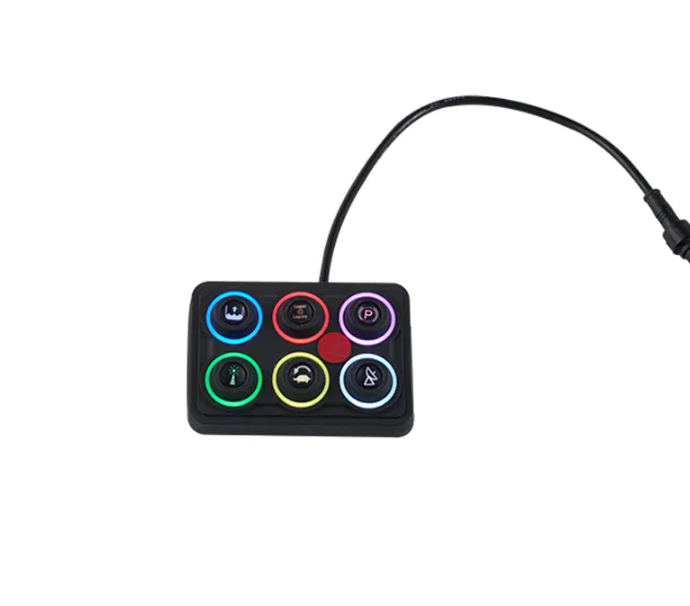
For equipment manufacturers, installers, and maintenance teams, one common question remains: Is a solenoid light switch easy to install and maintain?
The answer depends on several factors, including the application environment, system design, and product selection. In many cases, a well-matched switch can be integrated into a lighting system without creating complicated installation work. Regular inspection and proper use can also make maintenance more manageable.
What Makes a Solenoid Light Switch Different From a Traditional Light Switch?
Traditional light switches usually require direct physical operation. A user presses or moves the switch, and the lighting circuit changes. A switch works differently because it responds to electrical signals.
The internal solenoid mechanism creates movement when it receives a control signal. This movement allows the switch to perform its intended function.
This difference gives switches more possibilities in automated environments. They can be connected with other control systems, allowing lighting equipment to respond to different operating conditions.
Many industries choose this type of switch when they need more than simple manual control.
Common application differences include:
| Traditional Light Switch | Solenoid Light Switch |
|---|---|
| Mainly operated by people | Activated through electrical signals |
| Suitable for simple lighting control | Suitable for automated systems |
| Direct manual operation | Connected with control equipment |
| Limited control options | More flexible system integration |
The growing interest in automation has encouraged more manufacturers to consider electrical switching components that can work with larger systems.
How Easy Is It to Install a Solenoid Light Switch?
Installation difficulty is one of the main concerns when selecting electrical components. Businesses want equipment that can be installed efficiently without creating unnecessary delays.
A switch is generally designed to work within an existing electrical structure. The installation process usually involves positioning the switch correctly, connecting it with the related components, and checking whether the system responds properly.
Several factors can influence installation convenience.
Understanding the Application Before Installation
Every lighting system has its own design. A switch used in a commercial building may have different requirements from one installed in industrial equipment.
Before installation, technicians usually review:
- Where the switch will be placed
- How it connects with other components
- How the lighting system is controlled
- What operating conditions it may experience
This preparation can reduce problems during installation.
Choosing a Suitable Product Design
Not every switch fits every application. Product selection is closely related to the equipment structure.
A suitable switch should match the intended use. When the component fits the system design, installation work is usually more straightforward.
Following Proper Installation Procedures
Although the basic concept of a switch is simple, electrical products still require careful handling.
Correct installation helps ensure:
- Stable connections
- Smooth operation
- Easier future inspection
For industrial projects, installation planning is often considered during the early design stage. This allows engineers to arrange components in a way that supports both operation and maintenance.
What Steps Are Usually Involved in Installing a Solenoid Light Switch?
The installation process can vary depending on the application. However, many projects follow a similar approach.
A general installation workflow may include:
- Reviewing the lighting system design.
- Preparing the installation position.
- Connecting the switch with related electrical parts.
- Checking the switching response.
- Confirming that the system operates as expected.
In small lighting projects, installation may be relatively simple. In larger equipment systems, technicians may need to consider more factors because the switch may be connected with multiple components.
For manufacturers, installation convenience is often part of product planning. A component that is easier to integrate can reduce difficulties during equipment assembly.
This is one reason why many suppliers focus not only on product function but also on practical use during installation.
Why Is Maintenance Important for Solenoid Light Switches?
Like other electrical components, a switch requires attention after installation. Maintenance does not always mean frequent replacement. In many cases, it involves regular checks to understand whether the system is operating normally.
A good maintenance process can help identify potential issues before they affect the whole lighting system.
Common maintenance activities include:
| Maintenance Activity | Purpose |
|---|---|
| Checking connections | Confirming stable electrical contact |
| Inspecting the switch condition | Finding possible signs of wear |
| Testing operation | Checking whether the system responds correctly |
| Cleaning surrounding areas | Keeping the installation environment suitable |
The maintenance frequency depends on where the switch is used.
For example, a switch installed in a clean indoor environment may have different maintenance needs from one used in machinery or outdoor equipment.
Manufacturers and operators often consider maintenance requirements when selecting components. Easy inspection and convenient replacement can reduce management pressure over time.
Are Solenoid Light Switches Suitable for Different Industries?
The use of switches is not limited to one field. Their ability to connect electrical signals with physical switching actions makes them useful in many applications.
Different industries may use these switches in different ways.
| Industry | Possible Application |
|---|---|
| Commercial buildings | Automated lighting control |
| Industrial equipment | Machine-related lighting functions |
| Security systems | Controlled lighting operations |
| Transportation equipment | Electrical control applications |
| Smart devices | Integrated lighting functions |
In commercial buildings, lighting systems often need to work with sensors, timers, or other control equipment. Solenoid switches can become part of these arrangements.
In industrial environments, lighting is sometimes connected with machine operation. A controlled lighting function can support workers by matching the needs of different processes.
Security equipment may also use electrical switching methods. Lighting can be linked with access systems or other control functions.
The suitability of a switch depends on the system requirements rather than the industry alone.
What Should Companies Consider Before Choosing a Solenoid Light Switch?
Picking the right switch takes more than just checking whether it does the basic job. Companies need to think about how it'll perform inside the full system, not in isolation.
A few things tend to matter most.
Application Environment
Where the equipment operates makes a difference. Indoor gear, outdoor systems, and heavy industrial machines each come with their own demands — temperature swings, moisture, vibration, that sort of thing.
System Compatibility
The switch has to mesh with the existing electrical setup. Get this wrong, and installation drags on, or worse, the whole system underperforms down the line.
Product Quality Management
For companies sourcing components, consistency matters more than a single good sample. A supplier with stable manufacturing processes is far more likely to deliver reliably batch after batch.
Supplier Communication
Good communication saves a lot of back-and-forth. Suppliers who actually understand the application can point out issues or alternatives buyers might not think of on their own.
Future Maintenance Needs
Long-term upkeep is easy to overlook early on. Switches that are simple to inspect and swap out tend to cause fewer headaches once the equipment's been running for a while.
At the end of the day, there's no universal "best" switch. What works perfectly in one setup might be the wrong fit somewhere else — it really comes down to the specifics of the project.
How Are Solenoid Light Switches Adapting to New Lighting Trends?
Lighting systems are changing as automation becomes more common. Many products now combine lighting functions with other electrical controls.
This shift is influencing how manufacturers design and select control components.
Several trends can be seen in the market.
More Connected Lighting Systems
Lighting is increasingly linked with other equipment. Buildings and machines often require components that can communicate with larger control systems.
Greater Demand for Flexible Installation
Designers prefer components that can fit different layouts. Flexible installation options can make product development easier.
More Attention to Equipment Management
Companies are paying more attention to maintenance costs and operating efficiency. Components that are easier to manage may become more attractive during product selection.
Expansion Into New Applications
As electrical control becomes part of more products, switches may appear in additional application areas.
The question of whether a solenoid light switch is easy to install and maintain depends on how it is selected and used. When the component matches the system design and is installed correctly, it can become a practical part of many lighting control applications.
Related Products
Looking For Business Opportunity?
Request for a call today

No.128, Qianjin Road, Qianfeng Industrial Zone, Tangxia Town, Ruian, Zhejiang, China
-
-
Sophia Ye
-
Phone: +86-15305875100
-
WhatsApp: 15305875100
-
Email: [email protected]
-
- Mobile Terminal
Copyright 2024 Zhejiang Xiangrui Auto Electric Co., Ltd.

Relays And Modified Parts Factory
