- Tel: +86-15305875100
- E-mail: [email protected]
- Please contact us if you have questions.
CONTACT US


 English
 Español

Industry News
Dec 12,2025
Impact of Relay Factory Contact Time on Circuit Performance
Introduction to Relay Factory Performance
A Relay Factory produces a variety of relays used in industrial, commercial, and residential electrical systems. One of the critical parameters of relay performance is the contact response time and overall switching speed. These factors directly influence the safety, efficiency, and reliability of electrical circuits. Understanding how contact timing affects circuit behavior is essential for engineers, system designers, and maintenance personnel.
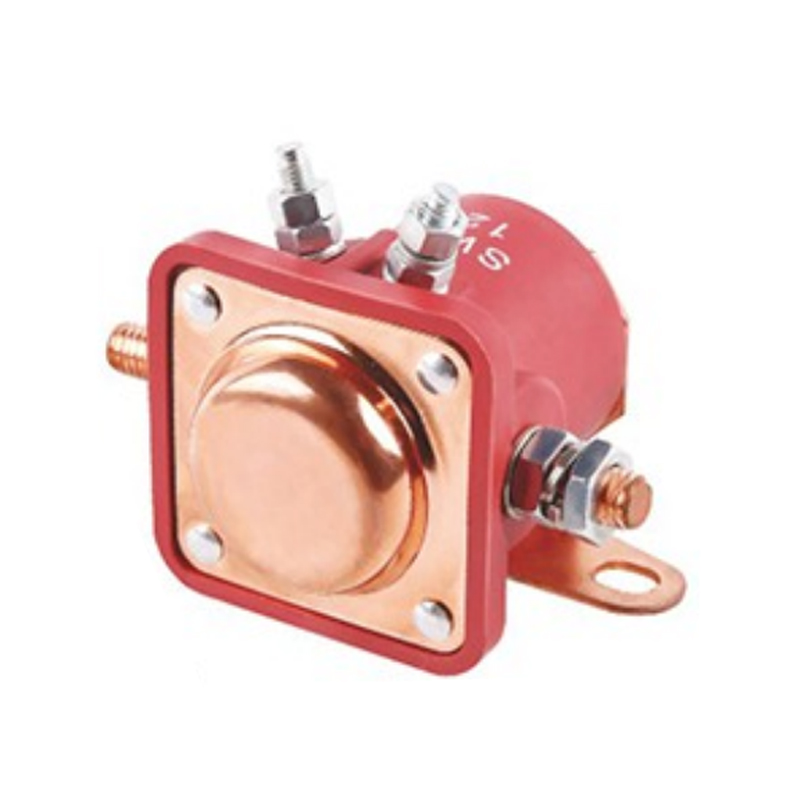
Understanding Relay Contact Response Time
- Definition of Contact Response Time:
Contact response time is the interval between the relay coil being energized and the actual closing or opening of the relay contacts. This time can vary depending on relay type, coil voltage, mechanical design, and load characteristics.
- Factors Affecting Response Time:
Several factors influence the speed at which relay contacts operate, including coil voltage, spring tension, contact gap, ambient temperature, and mechanical wear. Relays with faster response times typically use lighter contacts and optimized electromagnetic designs.
- Importance in High-Speed Applications:
In circuits requiring rapid switching, such as motor control, signal routing, or protection schemes, slower contact response can cause delayed activation, causing performance issues or even equipment damage.
Impact on Electrical Circuit Operation
1. Delayed Switching Effects:
If a relay’s contact response time is too slow, circuits may experience voltage dips or unintended operation of downstream components. For instance, in sequential control systems, a slow relay may trigger subsequent devices at the wrong time, affecting process reliability.
2. Overvoltage and Undervoltage Risks:
Slow opening or closing of contacts can result in temporary overcurrent or undervoltage conditions. This is particularly critical in circuits with sensitive electronic devices, where even milliseconds of delay may cause malfunctions.
3. Switching Arcs and Contact Wear:
Longer contact closure times increase the duration of arcing when contacts make or break a circuit, accelerating wear and reducing relay lifespan. Faster-acting relays reduce arc formation, enhancing durability and performance.
Response Speed in Protection Circuits
Overload and Short-Circuit Protection:
In protective circuits, the relay must respond almost instantaneously to prevent damage. Relays from a Relay Factory with optimized contact speed ensure that overloads or short circuits are interrupted promptly, reducing risk to equipment and personnel.
Coordination with Circuit Breakers:
The relay’s response time affects coordination with upstream or downstream circuit breakers. Accurate timing ensures selective tripping, preventing unnecessary shutdown of unaffected circuits while isolating only the faulty section.
High-Frequency Applications:
For control circuits operating at high switching frequencies, relay speed determines operational frequency. Slow relays cannot handle rapid switching without loss of signal integrity or timing errors.
Optimizing Relay Performance
- Selection of Relay Type: Solid-state relays (SSRs) offer faster response times compared to electromagnetic relays, making them suitable for high-speed applications. Mechanical relays with lightweight contacts are also designed for rapid switching.
- Proper Voltage and Load Matching: Ensuring the relay operates at rated voltage and appropriate load prevents delayed responses caused by under-voltage or overloading conditions.
- Regular Maintenance: Mechanical relays require periodic inspection for contact wear, spring tension, and coil integrity. Clean and well-maintained contacts ensure consistent response times and reliable circuit operation.
The contact response time and overall switching speed of relays from a Relay Factory significantly affect circuit performance, safety, and reliability. Slow contact operation can cause delayed switching, overvoltage or undervoltage conditions, increased arcing, and reduced relay lifespan. Fast, accurate relay operation ensures proper coordination in protective circuits, reliable sequential control, and stable high-frequency applications. By selecting the appropriate relay type, maintaining equipment, and matching load specifications, engineers can optimize relay performance and ensure efficient, safe, and reliable circuit operation across diverse applications.
Related Products
Looking For Business Opportunity?
Request for a call today

No.128, Qianjin Road, Qianfeng Industrial Zone, Tangxia Town, Ruian, Zhejiang, China
-
-
Sophia Ye
-
Phone: +86-15305875100
-
WhatsApp: 15305875100
-
Email: [email protected]
-
- Mobile Terminal
Copyright 2024 Zhejiang Xiangrui Auto Electric Co., Ltd.

Relays And Modified Parts Factory
