- Tel: +86-15305875100
- E-mail: [email protected]
- Please contact us if you have questions.
CONTACT US


 English
 Español

Industry News
Dec 05,2025
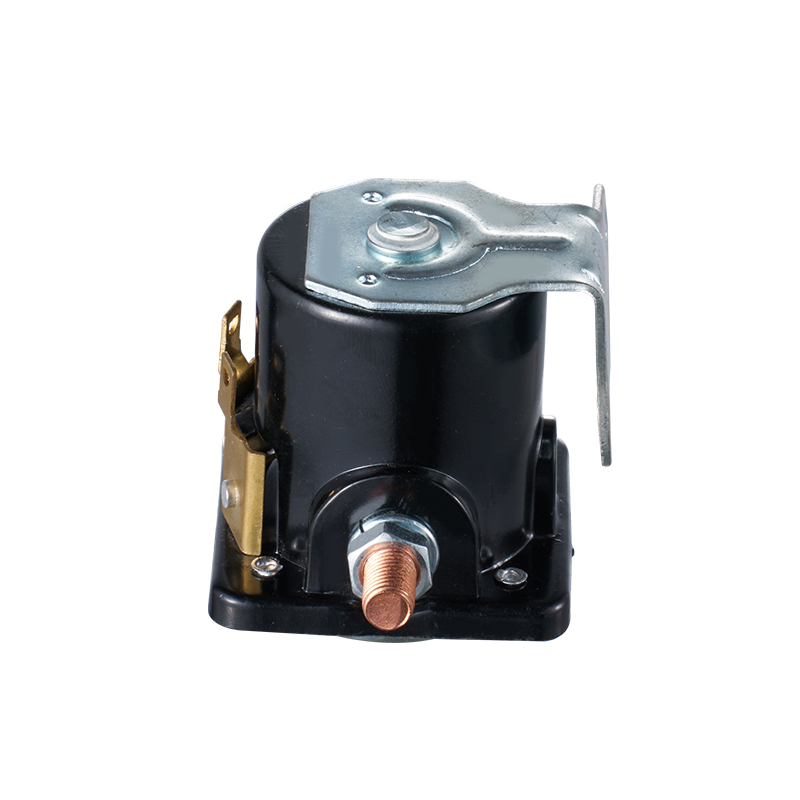
Role of Relay Factory in Overload and Short-Circuit Protection
Introduction to Relay Factory Applications
A Relay Factory produces a wide range of relays designed for electrical protection, automation, and control applications. One critical function of relays is to safeguard electrical circuits against overloads and short circuits. Understanding how relays operate in these scenarios is essential for engineers, electricians, and industrial operators to ensure system safety, reduce equipment damage, and prevent downtime.
Fundamentals of Overload Protection
- Definition of Overload:
Overload occurs when an electrical device or circuit draws more current than its rated capacity for an extended period. This can cause overheating of wires, motors, and other components, posing a fire hazard or causing equipment failure.
- Relay Response to Overload:
Relays manufactured by a Relay Factory are often integrated with thermal or electronic sensing elements that detect excessive current. When an overload is detected, the relay triggers a disconnection of the circuit, preventing further damage.
- Adjustable Overload Settings:
Many relays allow operators to set specific current thresholds and time delays. This ensures that brief surges, such as motor startup currents, do not cause unnecessary tripping, while prolonged overloads are effectively interrupted.
Relay Function in Short-Circuit Protection
1. Definition of Short Circuit:
A short circuit occurs when a low-resistance path forms in a circuit, causing a sudden surge of current that can severely damage equipment and wiring.
2. Instantaneous Tripping:
Relays designed for short-circuit protection respond almost instantly to excessive current, disconnecting the circuit before damage occurs. Magnetic or electronic relays are commonly used to achieve rapid response times.
3. Coordination with Circuit Breakers:
In many industrial systems, relays complement circuit breakers. The relay senses the fault and initiates a trip signal, allowing the breaker to disconnect the circuit safely and efficiently.
Types of Protective Relays
Thermal Overload Relays:
These relays use bimetallic strips that bend under heat generated by excess current. Once the strip reaches a certain temperature, it mechanically triggers the circuit to open.
Electromagnetic Relays:
Electromagnetic relays detect overcurrent through the magnetic field generated by current flow. When the field strength exceeds a set limit, the relay actuates and interrupts the circuit.
Electronic Relays:
Modern electronic relays use sensors and microcontrollers to monitor current, voltage, and temperature. They provide highly accurate protection with adjustable parameters and fast response times.
Benefits of Using Relays in Protection Systems
- Enhanced Safety: Relays prevent overheating, fires, and electrical shocks by interrupting hazardous currents promptly.
- Equipment Longevity: By limiting exposure to overloads and short circuits, relays reduce wear and tear on motors, transformers, and wiring, extending the lifespan of the equipment.
- Operational Reliability: Properly selected relays ensure downtime by quickly isolating faulty circuits without affecting the rest of the system.
- Customizable Protection: Relays from a Relay Factory can be configured for specific current thresholds, time delays, and operating conditions, making them versatile for industrial and commercial applications.
Relays produced by a Relay Factory play a crucial role in both overload and short-circuit protection. They monitor current levels, detect anomalies, and quickly disconnect circuits to prevent damage, ensure safety, and maintain operational reliability. Thermal, electromagnetic, and electronic relays each offer unique advantages, allowing engineers to select the appropriate type based on system requirements. By understanding relay functions and integrating them effectively into protection schemes, electrical systems can achieve enhanced safety, improved equipment longevity, and reliable performance under diverse operating conditions.
Related Products
Looking For Business Opportunity?
Request for a call today

No.128, Qianjin Road, Qianfeng Industrial Zone, Tangxia Town, Ruian, Zhejiang, China
-
-
Sophia Ye
-
Phone: +86-15305875100
-
WhatsApp: 15305875100
-
Email: [email protected]
-
- Mobile Terminal
Copyright 2024 Zhejiang Xiangrui Auto Electric Co., Ltd.

Relays And Modified Parts Factory
