- Tel: +86-15305875100
- E-mail: [email protected]
- Please contact us if you have questions.
CONTACT US


 English
 Español

Industry News
Jun 26,2026
How to Select the Right Dual Battery Automatic Switch for Your System
Power systems today are expected to stay stable even when conditions change. A small interruption can affect the whole setup. In this environment, a dual battery automatic switch has become a practical part of many energy arrangements. It helps manage power sources in a smoother way, especially when backup support is needed.
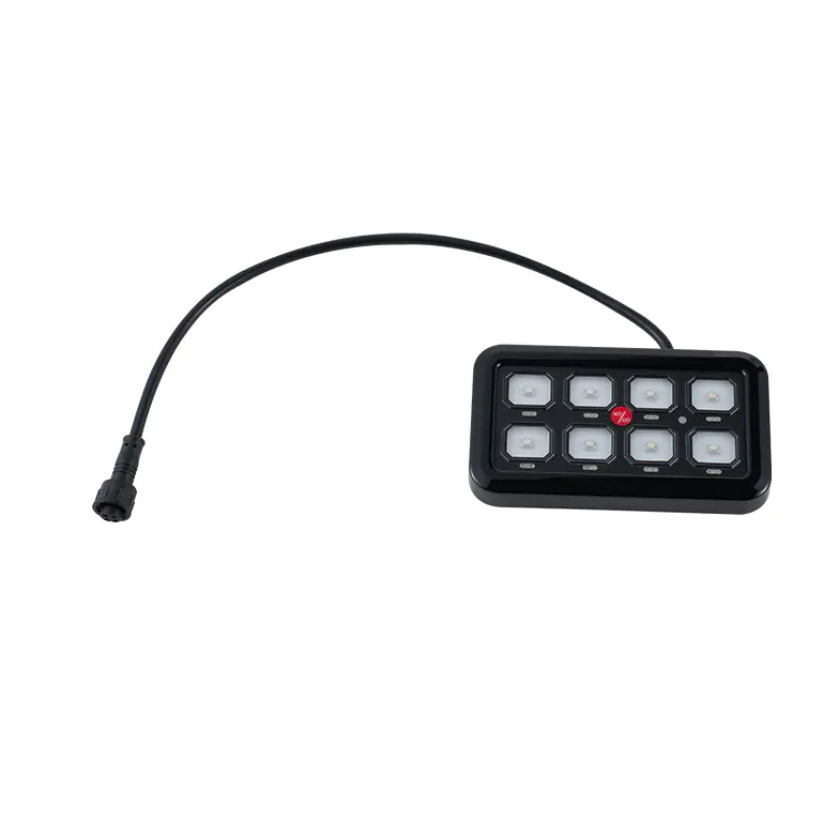
Choosing the right unit is not only about matching specifications. It is about understanding how the system behaves in real use. Different setups place different demands on switching behavior, response timing, and load handling. A careful selection process can reduce interruptions and avoid unnecessary adjustments later.
What role does a dual battery automatic switch actually play in a system?
This auto switch controls power transfer between two separate batteries. It constantly checks the charge level of each unit and switches power supply automatically whenever necessary. Operators don't need to flip anything manually to keep power running nonstop.
To put it plainly, the unit makes power allocation calls for the whole setup. If one battery loses charge and drops voltage, the switch redirects all connected devices to draw power from the second battery. The whole transfer happens seamlessly, so powered gear never cuts out mid-operation.
This function proves most useful for equipment that cannot stand any power outage. Even a brief loss of power can mess up operation or halt ongoing work. The switch eliminates this risk by sustaining steady power delivery at all times.
Why does system compatibility matter before choosing a switch?
Compatibility is often the starting point of selection. A switch that works well in one system may not behave the same in another. This is because each system has its own power behavior, usage rhythm, and load expectation.
When compatibility is ignored, small issues may appear later. These issues may not stop the system completely, but they can create instability. That instability often leads to repeated adjustment or replacement.
A few areas usually affect compatibility:
- Power source behavior during use
- Load variation across connected devices
- Frequency of switching demand
- Stability of the overall system layout
Each factor influences how the switch responds. A mismatch in any of them may reduce long-term reliability.
Compatibility is less about exact matching and more about behavioral alignment. The switch should fit into the natural rhythm of the system.
How does switching behavior affect performance?
Switching behavior refers to how the system moves between two power sources. This movement is not only about timing. It is also about smoothness and stability during the change.
If switching is too sensitive, the system may shift too often. This can create unnecessary wear. If it is too slow, the system may experience short interruptions.
The balance is important. A stable switching pattern keeps power flow consistent without frequent changes. This helps connected devices operate without sudden variation.
In real use, switching behavior is often noticed only when problems appear. That is why selection should focus on long-term behavior rather than initial appearance.
What should buyers consider about load conditions?
Load conditions describe how much demand is placed on the system at different times. Some systems maintain steady usage. Others shift between low and high demand frequently.
A dual battery automatic switch needs to handle these changes without losing stability. If the load varies sharply, the switch must respond in a controlled way.
When selecting a switch, it helps to observe:
- Whether load stays stable or changes often
- How long high-demand periods last
- Whether sudden spikes are common
- How sensitive the system is to power shifts
These details influence how the switch performs under pressure. A system with frequent load changes may need a more responsive switching pattern, while a stable system may require less frequent intervention.
How does energy source quality influence selection?
Battery condition plays a quiet but important role. Not all energy sources behave the same. Some maintain steady output, while others decline gradually over time.
A dual battery system depends on the balance between these sources. If one battery weakens faster, the switch will be used more often. This increases operational demand on the switching mechanism.
Over time, this pattern can influence stability. A system with uneven battery behavior may require more careful monitoring.
Buyers often overlook this point. The focus tends to stay on the switch itself. In practice, the quality and consistency of the power sources can shape how the switch performs.
Why does response timing matter in real applications?
Response timing describes how fast the switch acts when power conditions shift. This is far more than a trivial technical parameter, as it directly determines whether the whole system stays running without breakdowns.
Even a small delay in response can cause connected devices to lose power unexpectedly. Meanwhile, overly sensitive switching will trigger constant, pointless transfers between power sources.
We need a balanced reaction speed. The device should only activate a switch when a meaningful power shift occurs, and ignore minor, temporary voltage dips.
Required timing performance varies widely based on where the equipment is installed. Slow switching works well in fixed, stable working surroundings, while fast responses are essential for sites with constantly changing power loads.
For this reason, a single fixed timing setup won't fit all scenarios. Any timing configuration has to match the real operating environment of the system.
How can environmental conditions influence performance?
Environmental conditions often have a quiet impact on switching behavior. Temperature changes, vibration, and installation space can all affect stability.
A system placed in a controlled environment may behave differently from one exposed to frequent changes. Over time, these conditions can influence how often switching occurs and how stable the process remains.
Some environmental factors include:
| Condition Type | Possible Influence on System |
|---|---|
| Temperature shifts | Changes in operational stability |
| Movement or vibration | Loose connection behavior over time |
| Space limitations | Heat accumulation or restricted airflow |
| Humidity changes | Long-term material sensitivity |
These factors do not always cause immediate problems. Their influence often appears gradually. This makes early consideration important during selection.
What role does system design play in selection decisions?
System design refers to how components are arranged and how power flows between them. A well-structured system supports smoother switching behavior. A less stable structure may place extra pressure on the switch.
When the design is clear, the switch operates in a predictable way. When the design is complex or uneven, switching patterns may become irregular.
Buyers often focus on individual components. However, the interaction between parts is equally important. A switch does not operate alone. It responds to the entire system structure.
Design alignment helps reduce unexpected adjustments after installation.
How do usage patterns shape long-term selection?
Usage patterns describe how the system is used over time. Some systems run continuously with steady demand. Others experience frequent start-stop cycles.
These patterns influence how often switching occurs. Frequent switching can increase wear over time. Stable usage can extend operational consistency.
Understanding usage patterns helps in selecting a switch that matches real behavior rather than expected behavior.
Common usage differences include:
- Continuous operation vs intermittent use
- Stable load vs variable load
- Predictable demand vs irregular demand
Each pattern creates a different requirement for switching stability.
Why does long-term stability matter more than initial performance?
New switches usually run perfectly when you first install them. Still, long-term reliability is what truly matters when you're picking the right model.
A unit that works flawlessly at first can start acting erratic after countless power switch cycles. Its lasting stability depends on the whole system setup, regular load demands, and surrounding working conditions.
Parts that hold steady over years cut down constant maintenance work and early replacements. They also let the whole power system run reliably with little manual checking.
When choosing equipment, don't just judge based on how it performs right away. The real test is how well it keeps working under everyday use long term.
How can buyers approach selection in a practical way?
A practical approach focuses on understanding the system before focusing on the product. Instead of starting with product features, it begins with system behavior.
This includes observing power patterns, load variation, and usage rhythm. Once these are understood, selection becomes more aligned with real needs.
A simple way to view selection:
| Focus Area | What It Helps Identify |
|---|---|
| System behavior | Switching needs |
| Load pattern | Response stability |
| Environment | Operational consistency |
| Usage rhythm | Long-term wear pattern |
Selection becomes clearer when viewed as part of the system rather than an isolated component.
The goal is not to find a universal solution. It is to match the switch with the way the system naturally operates.
Related Products
Looking For Business Opportunity?
Request for a call today

No.128, Qianjin Road, Qianfeng Industrial Zone, Tangxia Town, Ruian, Zhejiang, China
-
-
Sophia Ye
-
Phone: +86-15305875100
-
WhatsApp: 15305875100
-
Email: [email protected]
-
- Mobile Terminal
Copyright 2024 Zhejiang Xiangrui Auto Electric Co., Ltd.

Relays And Modified Parts Factory
