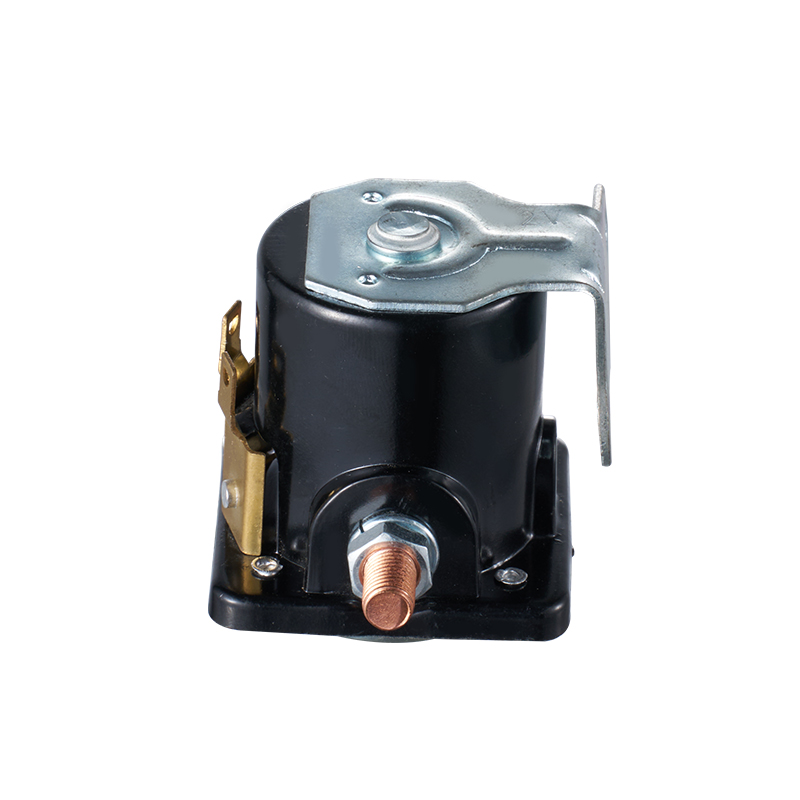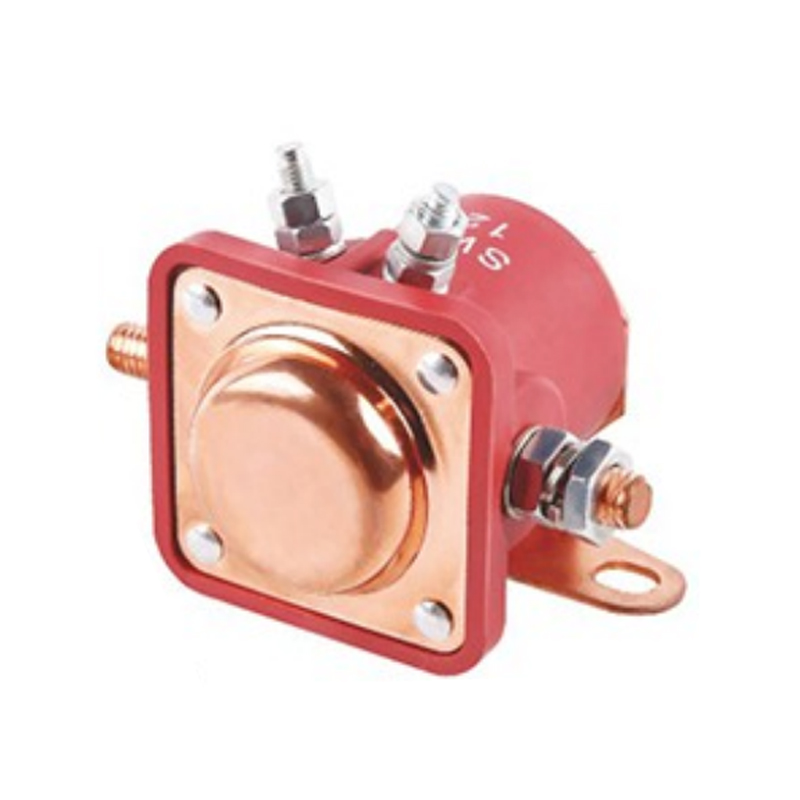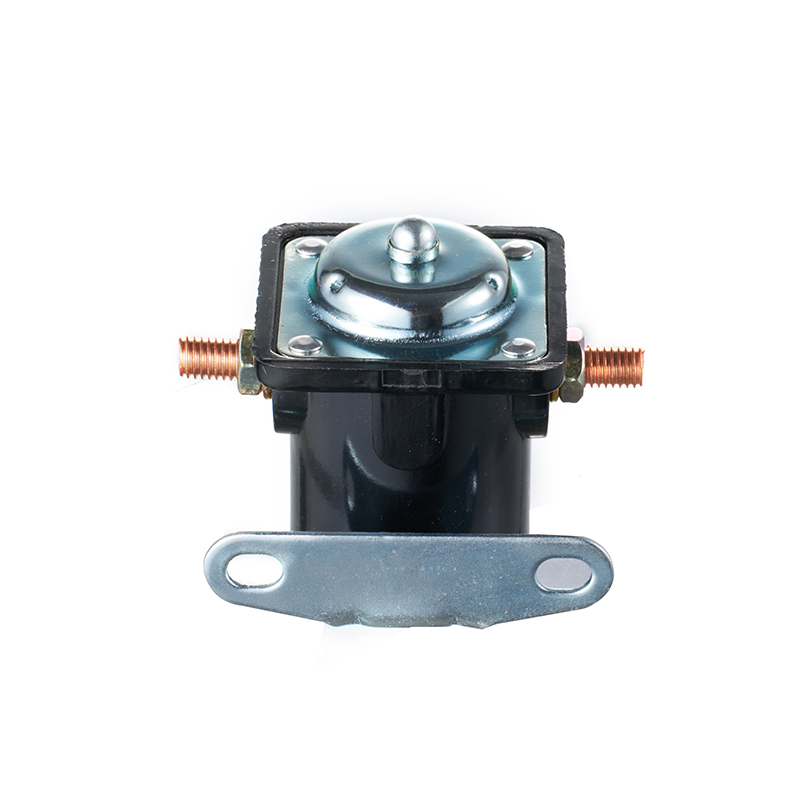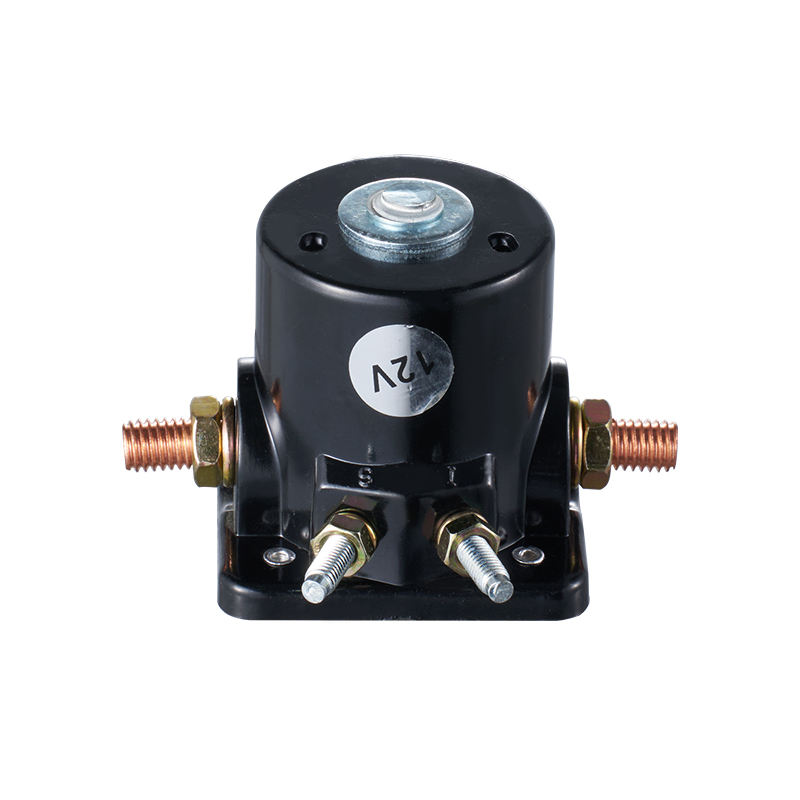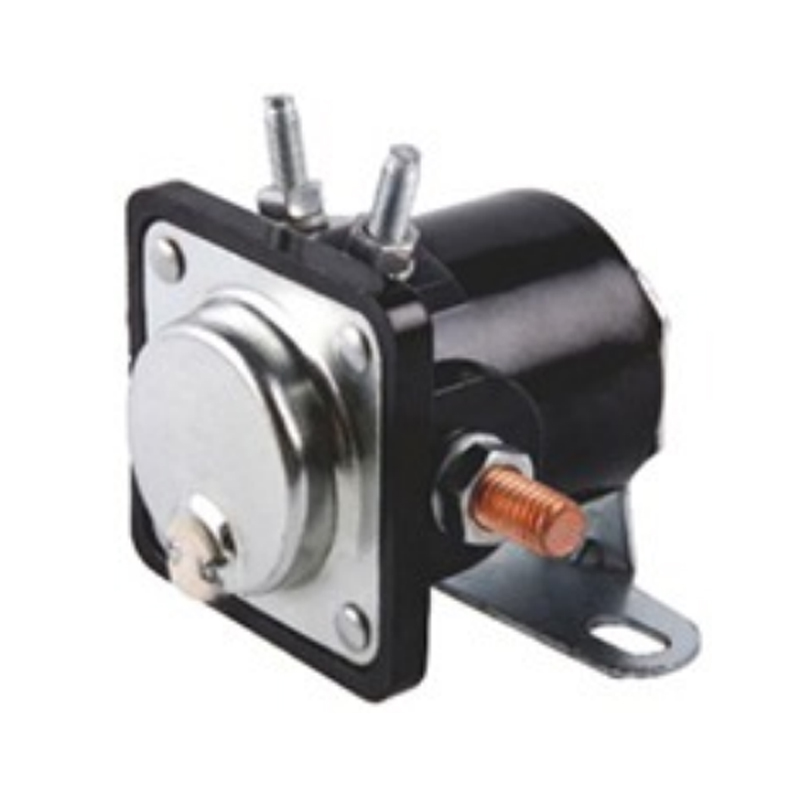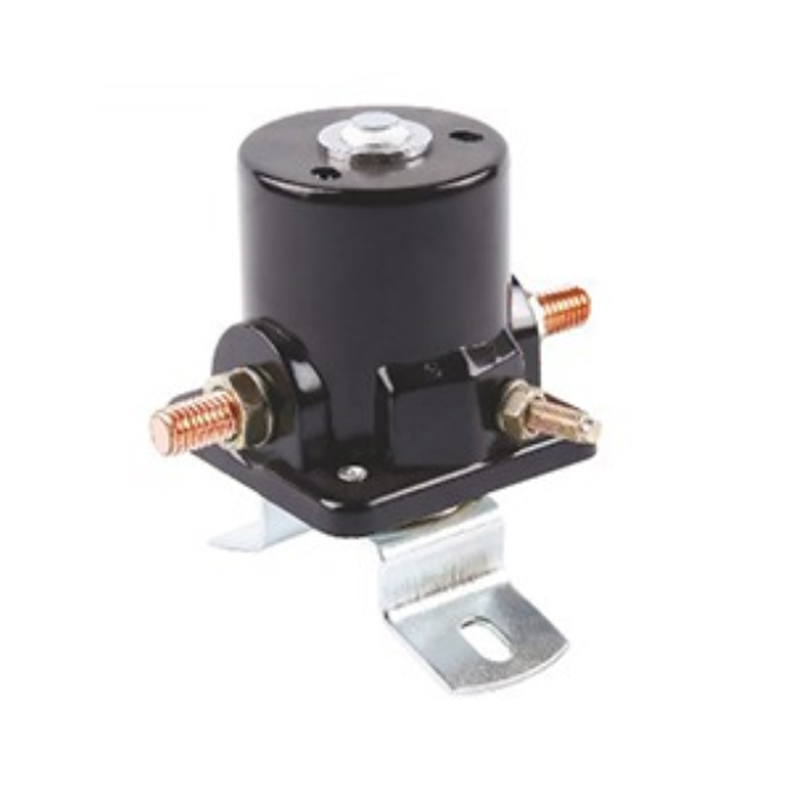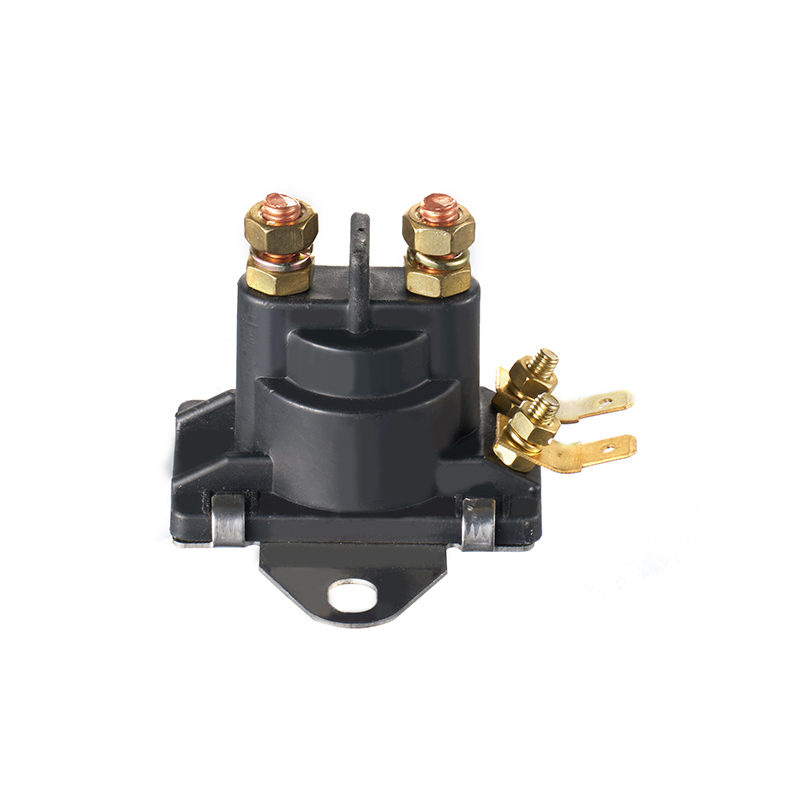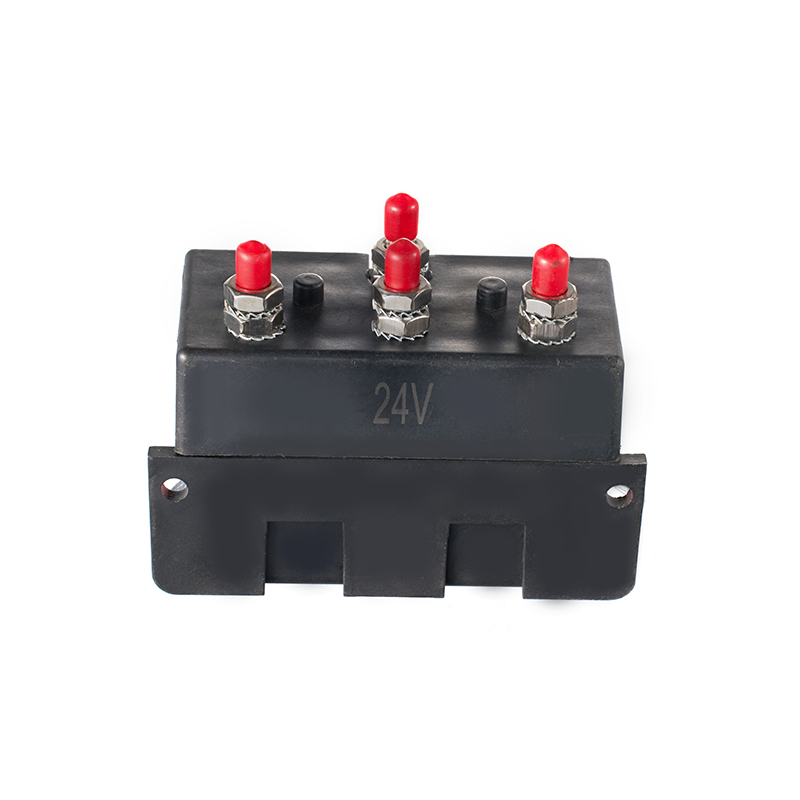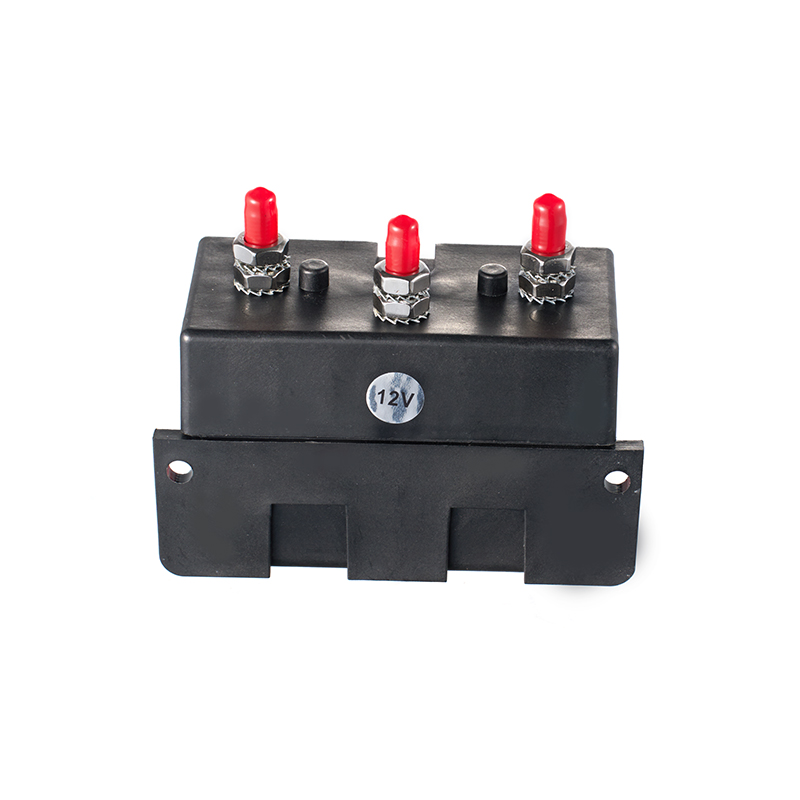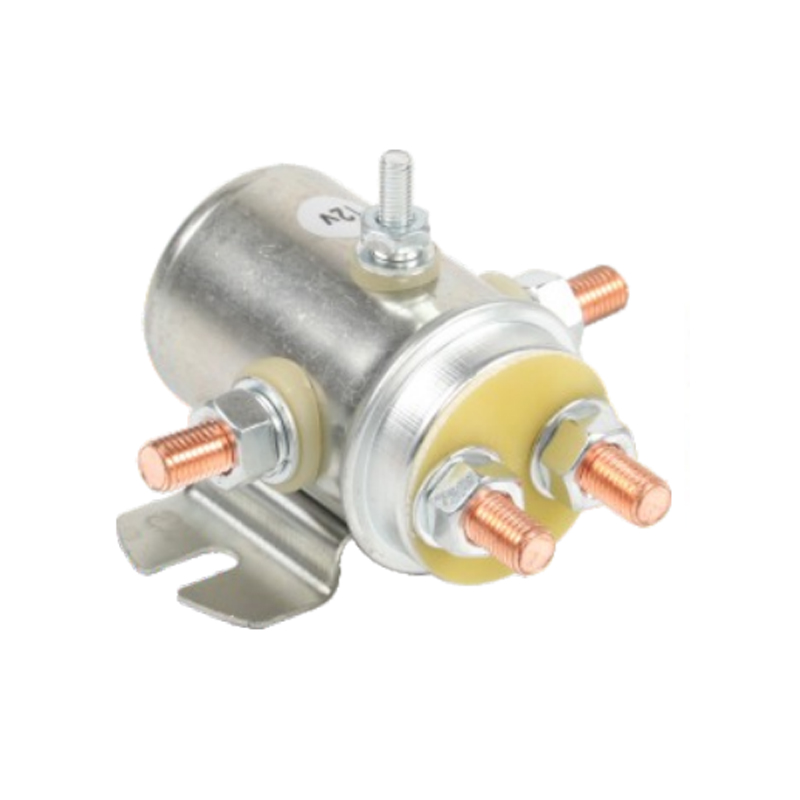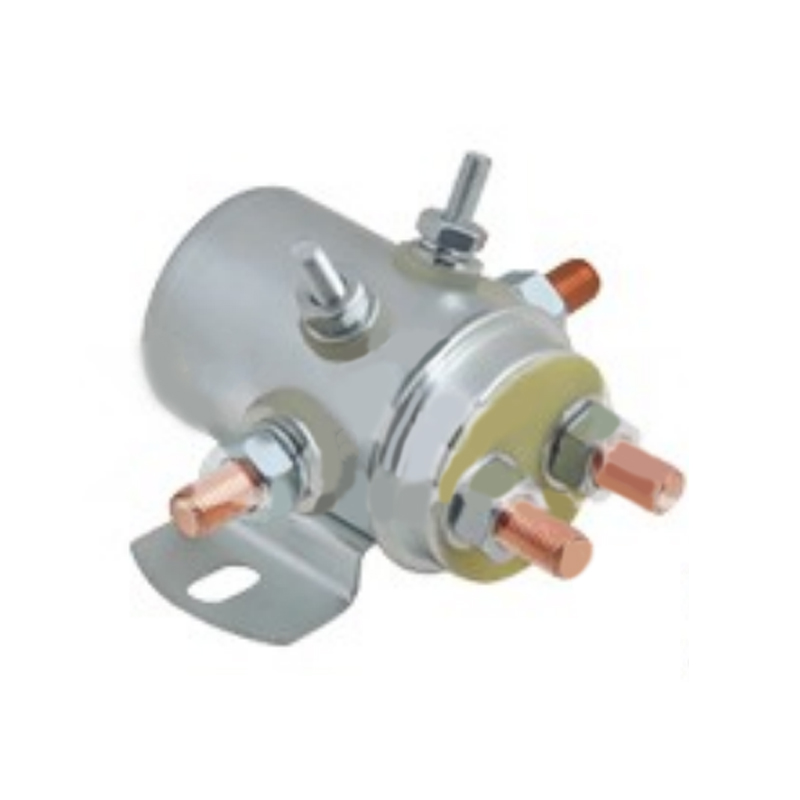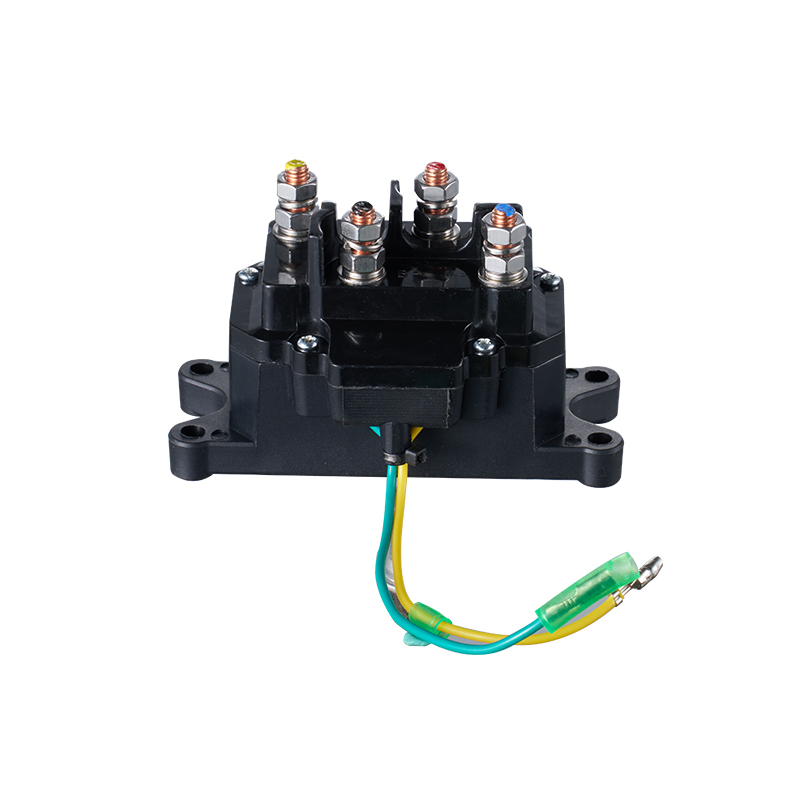
Anyone who spends real time around boats eventually asks the same question: why do certain small electrical parts wear out faster than almost everything else on the vessel? A relay for outboard motor systems is often the unexpected answer. It sits quietly inside its housing, doing its job without complaint, until one day it simply stops responding. Salt water and moisture are usually behind that quiet failure, but the process leading up to it is slower and more interesting than people tend to assume.
Boats live in one of the more demanding environments for electronics. Unlike a car parked in a garage, a boat sits exposed to open air, splashing water, and a constant cycle of wet and dry conditions. Small components like relays are not designed to be waterproof forever. They are designed to handle occasional exposure, not a lifetime of it.
Salt does not need to touch a part directly to cause trouble. Airborne salt particles drift with sea breeze and settle on surfaces far from the waterline. Over weeks and months, this fine layer builds up on connectors, housings, and terminals, even in areas that never get splashed directly. That is part of why boats stored near the coast tend to show relay issues sooner than boats kept further inland, regardless of how carefully they are used.
Rain and spray are the obvious culprits, but humidity alone can be just as damaging. When warm, moist air meets a cooler metal surface, condensation forms. This happens inside engine compartments and storage lockers even when the boat has not been near water in days. That trapped moisture, combined with any salt residue already present, creates the exact conditions corrosion needs to take hold.
A relay for outboard motor use typically has a sealed or semi sealed housing, but seals are not immune to wear. Once moisture finds a way in, the process inside follows a fairly predictable pattern.
Relays work by opening and closing tiny metal contacts to control electrical flow. When salt and moisture reach these contacts, a thin layer of oxidation can form. At an early stage, this might only slightly increase resistance, meaning the relay still works but takes a fraction longer to respond. Left unchecked, that same corrosion can eventually prevent the contacts from closing properly, which shows up as intermittent starting problems or a motor that cranks unevenly.
Once water gets inside a sealed housing, it often has nowhere to go. Unlike an open component that can dry out in the sun, a trapped pocket of moisture inside a relay housing can linger for a long time, especially in humid climates. This creates a slow, ongoing corrosion process rather than a one time event, which is why relay problems often develop gradually instead of appearing overnight.
Recognizing trouble early usually saves a boat owner from a frustrating situation out on the water. Some signs to watch for include:
None of these signs guarantee a failing relay on their own, but together, they are worth a closer look before a trip rather than after a breakdown.
The environment a boat lives in day to day plays a large role in how quickly a relay shows wear. Here is a general comparison of typical conditions:
| Condition | Dry Inland Storage | Coastal or Marina Storage |
|---|---|---|
| Airborne salt exposure | Rare | Frequent, even indoors |
| Humidity swings | Moderate | High, with daily condensation cycles |
| Typical relay inspection interval | Once or twice a season | Recommended more frequently |
| Visible corrosion risk | Lower | Noticeably higher over time |
| Housing seal stress | Minimal | Ongoing, due to constant moisture contact |
This is not a reason to avoid coastal boating, of course, since that is where most boats are used anyway. It simply means that owners in these conditions benefit from paying a bit more attention to smaller electrical parts that inland boat owners might check less often.
There is no single fixed number that fits every boat, since usage patterns, storage conditions, and climate all vary. That said, a reasonable habit many experienced boat owners follow is to take a quick look at the relay area at the start of the season, again midway through heavy use months, and once more before winter storage. A quick visual check, nothing more than a glance and a gentle wipe down, often catches early corrosion before it becomes a functional problem.
Protecting a relay for outboard motor systems does not require a complicated maintenance routine. A few consistent habits go a long way.
A basic fresh water rinse after saltwater use helps remove residue before it has a chance to settle in. Letting components air dry, rather than sealing them up while still damp, reduces the chance of trapped condensation forming later.
If there is any flexibility in how a boat is set up, keeping electrical components slightly elevated from low points where water tends to pool can make a noticeable difference over time. Even a small gap can reduce direct exposure during splashes or rain.
Not every relay is built with the same expectations in mind. Components designed specifically for marine and outboard applications generally account for corrosion resistance and sealed housings in ways that general purpose parts do not. This does not mean every marine rated part behaves identically, but it does mean the starting point is usually better suited to the environment it will actually be used in.
At some point, cleaning contacts or drying out a housing stops being a lasting fix. If a relay shows repeated symptoms after cleaning, or if visible corrosion has clearly spread beyond the surface, replacement tends to be the more practical route. Chasing an intermittent electrical issue in the middle of a trip is rarely worth the trouble a low cost replacement part could have avoided.
Salt water and moisture do not damage a relay for outboard motor systems overnight. The process is gradual, often invisible at first, and shaped heavily by where and how a boat is stored and used. Paying attention to early signs, keeping a simple seasonal check in place, and choosing components suited to marine conditions can meaningfully extend how long these small but important parts keep working the way they should.
For boat owners and builders looking to source relays and related yacht accessories designed with these marine conditions in mind, working with a manufacturer familiar with the practical demands of outboard motor systems can make ongoing maintenance a little less unpredictable over time.
Request for a call today