

 English
 Español
Home / News / Industry News / High Power Isolator: Understanding Design, Performance, and Application Value
- Tel: +86-15305875100
- E-mail: [email protected]
- Please contact us if you have questions.
CONTACT US

Industry News
Jul 24,2026
High Power Isolator: Understanding Design, Performance, and Application Value
Power management has become a key concern in many industrial environments. As electrical systems become more connected, companies are paying closer attention to the equipment used to control, separate, and maintain these systems.
A high power isolator is one of the products receiving more attention in this area. Although it may not be the most visible part of an electrical setup, its role is closely connected with equipment management and operational planning.
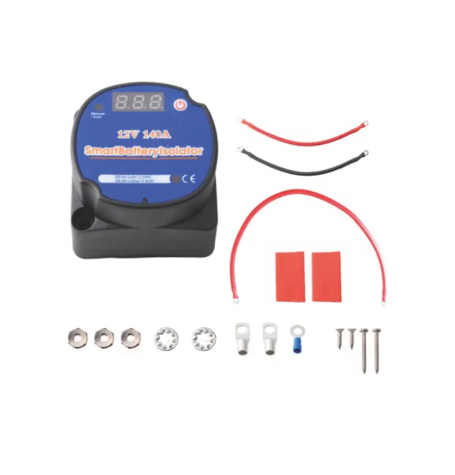
The way buyers evaluate these products is also changing. A purchase decision is no longer based only on a product description or price comparison. Companies are looking at design ideas, practical performance, supplier experience, and how well a product fits their working conditions.
For manufacturers, this means the market is moving beyond simple production. Understanding customer needs and providing suitable support have become important parts of industry development.
Why Are Companies Paying More Attention to High Power Isolator ?
In many working environments, electrical equipment needs to be managed carefully. Maintenance, inspection, and system adjustments all require a clear approach to power control.
A power isolator provides a way for users to manage electrical separation when required. This function helps create a more organized working process and gives operators greater confidence when dealing with equipment.
The growing interest in these products is connected with several changes in the market. Companies are investing more attention into equipment reliability and long-term management. They want products that fit naturally into their existing systems rather than creating additional challenges.
Different users may have different expectations:
| User Concern | Practical Consideration |
|---|---|
| Equipment management | Easier control during operation and maintenance |
| Product reliability | Stable use in different working conditions |
| Installation needs | Better compatibility with existing systems |
| Supplier support | Clear communication during cooperation |
These factors show why the role of isolators is being viewed from a wider perspective.
How Does Product Design Influence the User Experience?
The design of high-power isolators isn't just about looks—it shapes how staff operate the gear every single day.
Inside industrial work sites, easy operation makes a huge practical difference. Operators want equipment they can pick up and use right away, without going through complicated extra steps.
Well-thought-out design always takes the actual working environment into account. The isolator has to integrate with existing machinery while staying simple to handle.
Buyers nowadays closely check these practical details:
- How intuitive the operating steps are
- If the internal structure allows quick, regular maintenance
- Whether the overall size and layout fit the available installation area
- If the design can adapt to different working scenarios
These details might seem minor at first glance, yet they greatly impact how smoothly the equipment runs after setup.
Devices designed to fit naturally into workers'daily workflows deliver far more long-term practical benefits.
What Do Users Really Expect From High Power Isolator Performance?
When discussing performance, buyers usually focus on daily experience rather than simple descriptions. They want to know how a product behaves after being placed into a real working environment.
Consistency is often a major concern. Companies prefer equipment that can maintain a stable working condition instead of creating frequent adjustments.
Performance expectations can vary depending on the application. Some users may focus more on operational convenience, while others may care more about long-term reliability.
Several aspects often influence purchasing decisions:
| Performance Area | Buyer Perspective |
|---|---|
| Working stability | Supports continuous equipment management |
| Operating experience | Makes daily use more convenient |
| Environmental suitability | Matches different working conditions |
| Product durability | Supports long-term application needs |
A suitable isolator is not simply one that meets basic requirements. It is one that fits the actual situation where it will be used.
How Do Different Applications Affect Product Selection?
A high power isolator can be used in different types of electrical environments. Because application conditions are not always the same, buyer expectations can also vary.
For example, some industrial users may focus on equipment management during regular maintenance. Others may pay more attention to how the product integrates with a larger electrical system.
This difference changes the way companies evaluate suppliers. They are not only asking whether a product is available. They also want to know whether the supplier understands the application behind the request.
Before making a decision, buyers often review:
- The working environment
- Equipment requirements
- Maintenance habits
- Installation conditions
- Future expansion possibilities
A supplier that understands these factors can often provide more useful guidance during the selection process.
Why Does Supplier Experience Matter in the Purchasing Process?
The relationship between buyers and manufacturers has become more interactive. Many companies now expect suppliers to provide support before and after the purchase.
Supplier experience can influence how smoothly a project develops. A manufacturer familiar with different customer situations may understand common concerns and provide clearer suggestions.
Experience is not only about time in the market. It is also about how a company responds to customer needs.
A capable supplier usually pays attention to:
- Understanding customer requirements
- Managing production arrangements
- Handling communication efficiently
- Responding to feedback
- Improving products based on market changes
For buyers, this kind of cooperation can reduce uncertainty. It creates a more comfortable process from product selection to long-term use.
How Is Quality Evaluated Beyond the Product Itself?
Quality discussions around high power isolators are becoming broader. Buyers are not only checking the finished product. They are also interested in how the product is made and managed.
A manufacturer's production approach often reflects its attitude toward quality.
Companies may look into areas such as:
Production Management
Organized production methods help maintain consistency during manufacturing.
Material Selection
Suitable materials support the product's ability to handle different working environments.
Inspection Process
Careful checking helps identify possible issues before products reach customers.
Customer Feedback
Suggestions from users can help manufacturers improve future products.
Quality is built through many small steps. It is not created only at the final stage of production.
What Value Does a High Power Isolator Bring Beyond Basic Function?
Price is often discussed during purchasing, but many companies are beginning to look at the wider value behind a product.
A power isolator can provide value through several areas:
| Value Factor | Why It Matters |
|---|---|
| Practical design | Helps users manage equipment more easily |
| Reliable cooperation | Builds confidence between buyers and suppliers |
| Product adaptability | Supports different application requirements |
| Service communication | Makes future cooperation smoother |
For businesses, the value of equipment is connected with daily operation. A product that fits the working process may create benefits beyond the initial purchase decision.
This is why many buyers now compare suppliers from multiple angles instead of focusing on one simple factor.
How Are High Power Isolator Manufacturers Responding to Market Changes?
The market for electrical equipment continues to develop. Customer expectations are becoming more detailed, and manufacturers are adjusting their approach.
Many suppliers are paying closer attention to communication. Understanding customer applications before production helps create a better connection between product design and actual use.
Manufacturers are also placing more focus on flexibility. Different industries may have different requirements, and customers often need solutions that match their own situations.
Current market changes include:
- More attention to customized requirements
- Greater focus on supplier cooperation
- Increased demand for practical product support
- More communication between manufacturers and users
These changes show that the industry is moving toward a more service-oriented approach.
What Should Buyers Consider Before Selecting a High Power Isolator?
Choosing electrical equipment requires careful evaluation. A product may appear suitable at first, but deeper consideration can help companies make a better decision.
Buyers often ask:
Does the product match the working environment?
Understanding where the isolator will be used helps avoid unsuitable choices.
Can the supplier provide useful support?
Clear communication can make the purchasing process easier.
Does the manufacturer understand customer needs?
Industry experience can help suppliers offer more practical recommendations.
Is the product suitable for long-term use?
Companies usually consider future maintenance and operation needs.
Can both sides build stable cooperation?
A good supplier relationship can create value beyond a single order.
The development of high power isolators reflects a wider change in the electrical equipment market. Buyers are looking for products that combine practical design, dependable performance, and meaningful supplier support. Manufacturers that understand these expectations are becoming an important part of the changing industrial landscape.
Related Products
Looking For Business Opportunity?
Request for a call today

No.128, Qianjin Road, Qianfeng Industrial Zone, Tangxia Town, Ruian, Zhejiang, China
-
-
Sophia Ye
-
Phone: +86-15305875100
-
WhatsApp: 15305875100
-
Email: [email protected]
-
- Mobile Terminal
Copyright 2024 Zhejiang Xiangrui Auto Electric Co., Ltd.

Relays And Modified Parts Factory
