- Tel: +86-15305875100
- E-mail: [email protected]
- Please contact us if you have questions.
CONTACT US


 English
 Español

Industry News
Jul 17,2026
How Do Isolator Supplier Support Electrical Safety Planning
Walk into a control room or an equipment area in any working facility, and one thing becomes clear very quickly. Power is not just present. It is layered, divided, and routed through different sections that need to be managed with care.
Behind that arrangement sits a planning process that is often less visible. Engineers and project teams spend time thinking about how systems will behave, not only when everything runs smoothly, but also when inspections, adjustments, or unexpected changes take place.
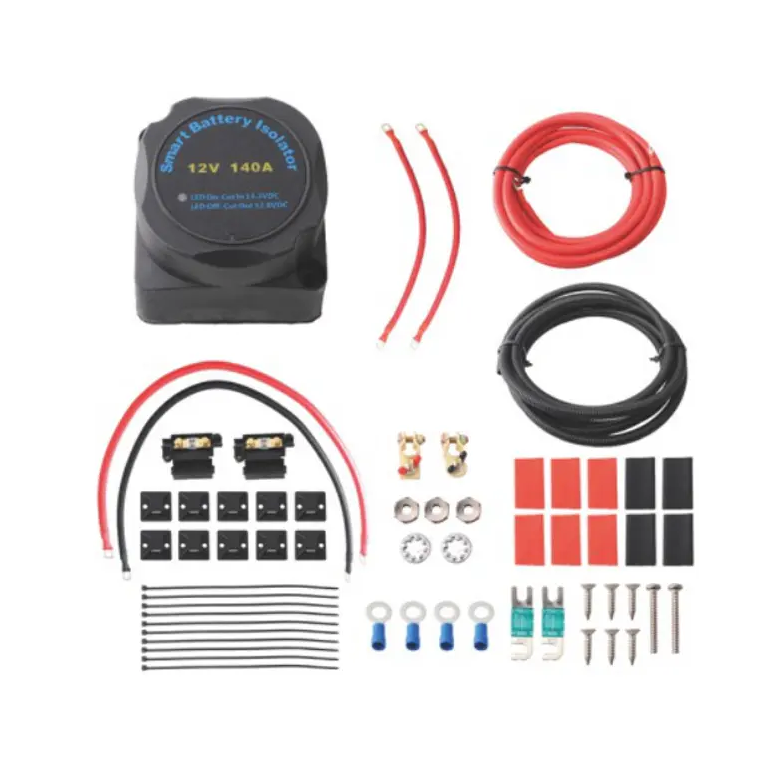
In that process, isolators are not treated as simple add-on components. They are part of how a system is organized. And in many cases, the role of an isolator supplier starts earlier than expected, long before any order is confirmed.
Why does electrical safety planning start before installation?
There is a tendency to think of safety as something checked at the end. In practice, it often begins during early design discussions.
When a project is still on paper, decisions are made about how power will move across different sections. These decisions influence how easy it will be to manage the system later.
If no clear separation is considered, even a well-built installation can become difficult to handle during maintenance. Technicians may face unclear layouts or crowded connection points.
A more structured plan usually includes defined areas within the system. Each section can be identified and managed without affecting the whole setup.
That is where isolators come into the picture. They are not only about switching. They help shape how the system is divided.
An isolator supplier, when involved early, can help translate general ideas into practical product choices. Instead of reacting to a fixed design, the supplier becomes part of the planning conversation.
How do isolators influence the structure of an electrical system?
If you look closely at a completed electrical installation, you can often tell whether the system was planned with clear separation in mind.
In one scenario, wires and components may appear tightly grouped, with little distinction between sections. In another, the layout shows defined areas, where each part of the system can be addressed individually.
Isolators contribute to that clarity.
They create points where power can be separated in a controlled way. This does not only affect safety procedures. It also changes how people interact with the system.
A technician approaching a well-organized panel can understand its structure more quickly. The layout itself communicates how the system is arranged.
That clarity does not happen by accident. It depends on how components are selected and positioned.
Suppliers who understand different installation styles can offer suggestions that fit the intended structure, rather than simply providing standard options.
What kind of support do suppliers provide during project planning?
The support from an Isolator Manufacturer often begins with questions rather than answers.
Instead of immediately recommending a product, a supplier may ask how the system will be used, where it will be installed, and how often it will be accessed.
These conversations may seem basic, yet they shape the selection process.
A project focused on routine maintenance may require a different approach compared with one designed for limited access. The same applies to environments where equipment is frequently adjusted.
Suppliers who have worked with different applications tend to recognize patterns. They may point out considerations that are not immediately obvious during early discussions.
For example, the way a system is accessed during maintenance can influence how isolation points are arranged. Without that consideration, even a functional design may feel inconvenient in daily use.
This kind of input is not always written in specifications. It often comes from experience and repeated project involvement.
How does supplier communication affect safety decisions?
Communication between buyers and suppliers can shape outcomes more than expected.
In some cases, product selection is treated as a checklist task. A list is prepared, items are matched, and the process moves forward. This approach may work for simple requirements.
However, electrical safety planning rarely follows a simple path. Small details can change how a system behaves.
When communication is open, suppliers can respond to specific concerns rather than general requests. A conversation about access, working conditions, or system layout can lead to more suitable suggestions.
This exchange does not need to be complex. Even short discussions can reveal useful information.
For example, a buyer describing how technicians interact with equipment may lead to a different arrangement of isolation points. Without that input, the design might follow a more generic structure.
The value of communication lies in these small adjustments. They accumulate and shape the final system.
In what ways do isolator suppliers support different working environments?
Electrical setups are installed in all kinds of locations, each with its own unique hurdles. Factory workshops, commercial buildings and public power infrastructure all have separate operating demands that impact component choices.
Every space dictates how electrical gear will be operated day in and day out.
Manufacturing plants require frequent equipment inspections. Maintenance crews need fast, uncomplicated ways to isolate separate circuit zones.
Commercial premises prioritize neat power layout designs, with simple operation that on-site facility staff can easily handle.
All these varying demands change which isolators are chosen and how they get installed.
Suppliers that serve multiple industries know these distinct requirements well. They realize a single isolator model won't function the same across every site.
Rather than pushing a one-size-fits-all product, they tailor recommendations to match real on-site operating conditions.
This customised guidance makes system layout planning far simpler for each type of workplace.
What should buyers pay attention to when working with an isolator supplier?
From a buyer's perspective, the interaction with a supplier often goes beyond pricing or availability.
The way a supplier responds during early discussions can reveal how well they understand application needs.
Some buyers focus on how clearly a supplier communicates. Others look at how questions are handled. Does the supplier explore the context, or do they move directly to product options?
A useful working relationship often includes:
| Consideration | What it reveals |
|---|---|
| Willingness to discuss applications | Understanding of real use cases |
| Clarity in communication | Ability to support decision-making |
| Flexibility in suggestions | Adaptation to different project needs |
| Responsiveness | Engagement during project stages |
These aspects are not always listed in formal requirements, yet they influence how smoothly a project moves forward.
When suppliers take time to understand the project, the selection process becomes less mechanical and more aligned with actual needs.
How are isolator suppliers adjusting to changing project expectations?
Electrical projects are not static. Requirements shift as equipment evolves and working methods change.
Design teams now pay closer attention to how systems will be used over time. This includes maintenance routines, system updates, and operational flexibility.
Suppliers are adapting to these expectations.
Rather than acting only as product sources, many are becoming part of early-stage discussions. They listen to project descriptions, review layout ideas, and suggest ways to arrange components more effectively.
This shift is subtle but noticeable.
It reflects a change in how electrical systems are planned. Instead of focusing only on installation, more attention is given to long-term use.
As a result, isolator suppliers are increasingly involved in conversations that shape not just what is installed, but how the system will function day to day.
Related Products
Looking For Business Opportunity?
Request for a call today

No.128, Qianjin Road, Qianfeng Industrial Zone, Tangxia Town, Ruian, Zhejiang, China
-
-
Sophia Ye
-
Phone: +86-15305875100
-
WhatsApp: 15305875100
-
Email: [email protected]
-
- Mobile Terminal
Copyright 2024 Zhejiang Xiangrui Auto Electric Co., Ltd.

Relays And Modified Parts Factory
