- Tel: +86-15305875100
- E-mail: [email protected]
- Please contact us if you have questions.
CONTACT US


 English
 Español

Industry News
Jan 27,2026
Corrosion Risks and Protection Needs for Marine Relays
Marine Electrical Challenges
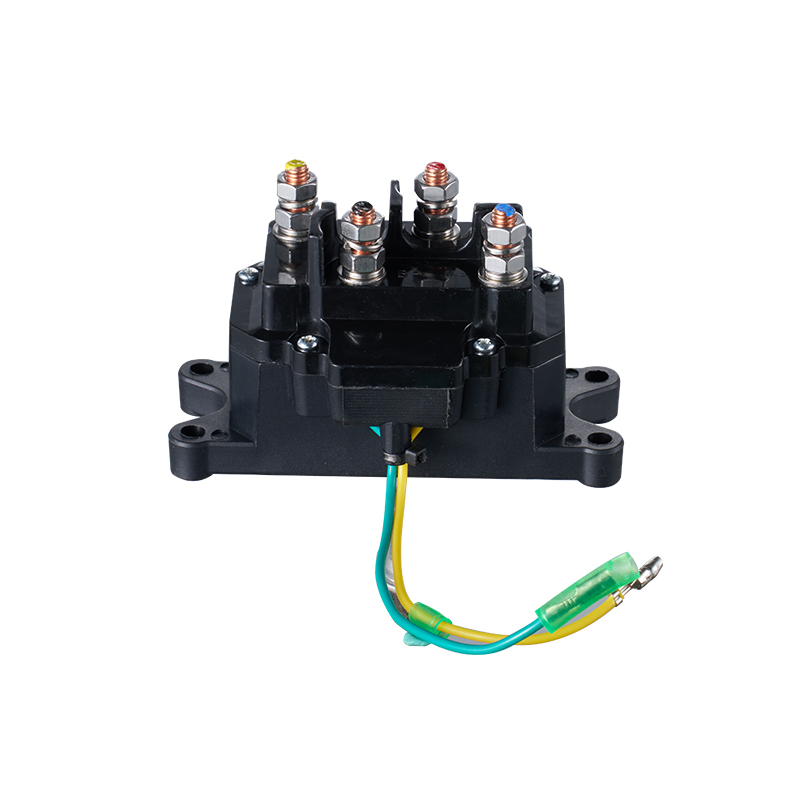
Electrical components used in marine applications face conditions that are far more aggressive than those found in typical land-based environments. Moisture, salt spray, temperature fluctuations, and constant vibration all combine to accelerate wear and failure. Among these components, the Outboard Motor Relay plays a critical role in starting, power distribution, and control circuits. Because it often sits close to the engine and battery compartment, understanding its vulnerability to corrosion and the need for protective design is essential for reliability and safety.
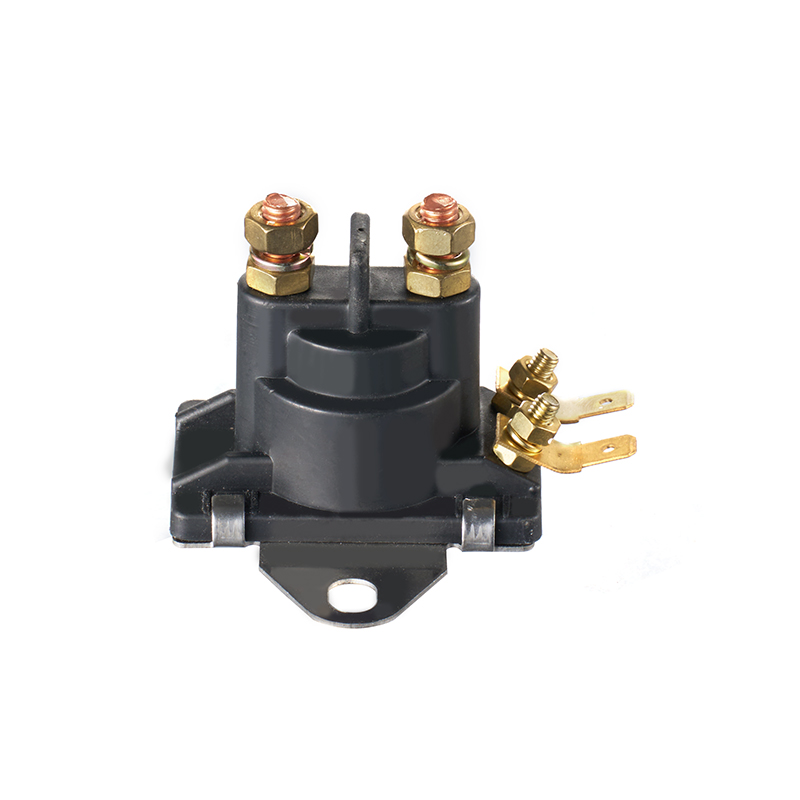
Why Moisture and Salt Are Especially Harmful
The marine environment introduces two major threats to electrical components: water and salt. Together, they create ideal conditions for corrosion.
- Moisture can penetrate housings, causing condensation inside the relay.
- Salt particles act as electrolytes, dramatically increasing corrosion rates.
- Repeated wet-dry cycles accelerate oxidation of metal contacts and terminals.
- Even small amounts of salt residue can cause long-term damage if not properly addressed.
Corrosion Mechanisms in Relays
- Relays contain several metal parts that are sensitive to corrosion, including contacts, terminals, springs, and internal conductors.
- Oxidation on contact surfaces increases electrical resistance.
- Corroded terminals can loosen or overheat under load.
- Internal corrosion may prevent contacts from moving freely.
Over time, these effects can cause intermittent operation or complete failure, often without obvious external signs.
Performance Risks Without Protection
When a relay is not designed for marine use, corrosion-related issues can directly affect engine operation.
- Increased resistance may prevent sufficient current from reaching the starter.
- Intermittent contact can cause unpredictable starting behavior.
- Severe corrosion may cause overheating or electrical shorts.
- In a marine setting, such failures are more than an inconvenience—they can become serious safety risks.
Importance of Waterproof Design
- A waterproof or water-resistant relay housing is one of the effective ways to combat moisture-related damage.
- Sealed housings prevent water ingress during splashing or washing.
- Gaskets and O-rings block moisture at cable entry points.
- Encapsulation protects internal components from condensation.
- Waterproof design significantly extends service life, especially in boats used in rough or open-water conditions.
Need for Salt Spray and Corrosion Resistance
Beyond waterproofing, resistance to salt spray is equally important for marine relays.
- Corrosion-resistant coatings protect metal surfaces.
- Stainless steel or plated terminals reduce oxidation risk.
- Materials selected for salt environments are slow to undergo chemical degradation.
Testing against salt spray standards ensures that components can withstand prolonged exposure without performance loss.
Additional Protective Measures
- Even with a robust relay design, installation and system-level protection play a role.
- Mounting relays away from direct spray reduces exposure.
- Proper drainage prevents water accumulation around terminals.
- Protective covers or enclosures add an extra defense layer.
- Combined measures help create a more reliable electrical system overall.
Maintenance and Inspection Considerations
- Marine environments demand more frequent inspection and maintenance.
- Visual checks can detect early signs of corrosion.
- Cleaning terminals removes salt residue before damage occurs.
- Applying protective sprays can further slow corrosion.
- Routine maintenance complements design protection and reduces unexpected failures.
Long-Term Reliability Benefits
- Investing in corrosion-resistant relay solutions provides clear advantages over time.
- Reduced failure rates and lower repair and replacement costs.
- Consistent electrical performance improves engine reliability.
- Enhanced safety reduces the risk of being stranded on water.
- These benefits are especially important for commercial or frequent-use vessels.
Designing for the Marine Reality
In humid, salt-rich marine environments, corrosion is not a possibility but an expectation. Relays used in outboard motor systems must be designed to withstand moisture ingress and salt spray exposure to ensure dependable operation. Waterproof housings, corrosion-resistant materials, and proper installation practices all contribute to durability. By recognizing these environmental challenges and selecting appropriate protective designs, operators can significantly extend component lifespan and maintain reliable performance in demanding marine conditions.
Related Products
Looking For Business Opportunity?
Request for a call today

No.128, Qianjin Road, Qianfeng Industrial Zone, Tangxia Town, Ruian, Zhejiang, China
-
-
Sophia Ye
-
Phone: +86-15305875100
-
WhatsApp: 15305875100
-
Email: [email protected]
-
- Mobile Terminal
Copyright 2024 Zhejiang Xiangrui Auto Electric Co., Ltd.

Relays And Modified Parts Factory
