- Tel: +86-15305875100
- E-mail: [email protected]
- Please contact us if you have questions.
CONTACT US


 English
 Español

Industry News
Feb 06,2026
Managing Heat Issues of Construction Truck Relay Effectively
Introduction to Heat Challenges in Relays
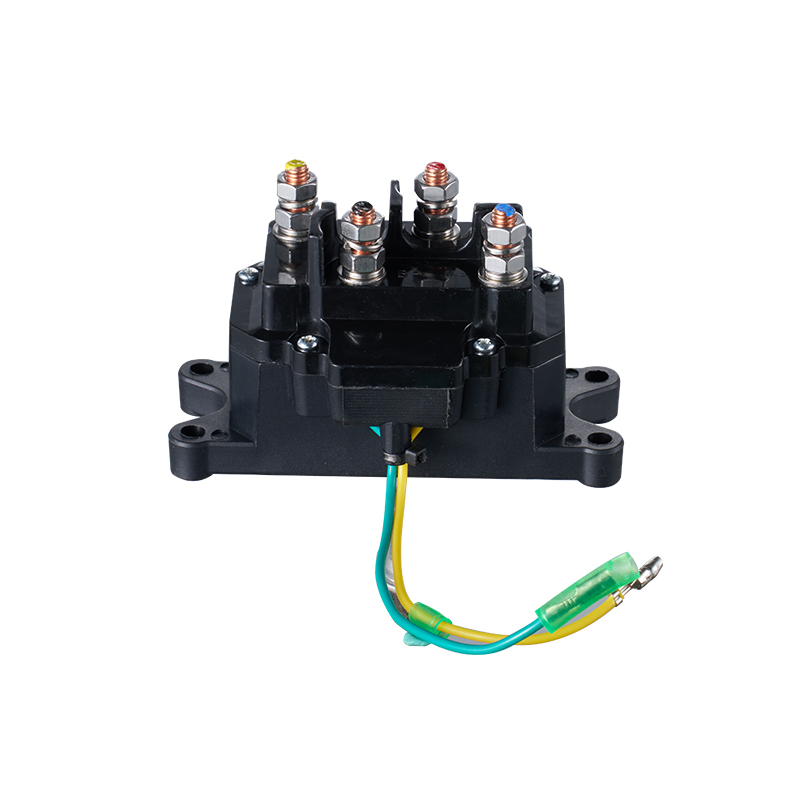
Definition and Function: A Construction Truck Relay is an electromechanical device that controls the flow of current between circuits in heavy-duty vehicles.
Relevance of Heat Management:
- During operation, relays can generate heat due to electrical resistance and current flow.
- Excessive heat may degrade performance, reduce lifespan, or cause failure.
Impact of Load Conditions:
- Different operational loads significantly affect the temperature rise in relays.
- Understanding these effects is essential to prevent overheating and ensure reliable operation.
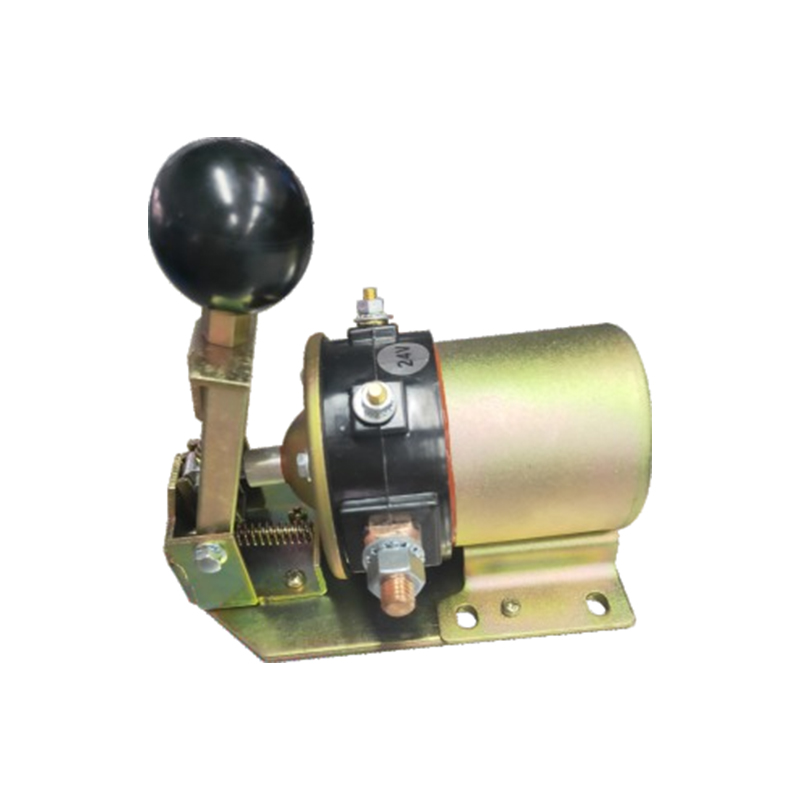
Causes of Relay Heating Under Varying Loads
Electrical Resistance in Contacts:
- Current passing through the Construction Truck Relay contacts generates heat due to inherent resistance.
- Higher load currents increase resistive heating, especially in older or worn contacts.
Coil Heating:
- The relay coil produces heat as it energizes to create the magnetic field for switching.
- Prolonged activation under heavy loads can raise coil temperature significantly.
Ambient Temperature and Ventilation:
- High surrounding temperatures exacerbate relay heating.
- Poor airflow or enclosure design can trap heat around the relay.
Load Cycling and Duty Cycles:
- Frequent switching under variable load conditions causes repeated heating and cooling cycles.
- Rapid cycles can cause cumulative thermal stress.
Design-Based Solutions to Minimize Heat
Material Selection for Contacts and Coil:
Use high-conductivity metals such as silver or copper alloys for contacts to reduce resistance.
Coil wire with high thermal tolerance resists insulation degradation.
Optimized Contact Geometry:
Larger contact surfaces distribute current more evenly and reduce localized heating.
Multi-contact designs can share load, lowering individual contact stress.
Relay Housing and Thermal Management:
Use thermally conductive plastics or heat-resistant materials for housings.
Incorporate ventilation openings or metal heatsinks to dissipate heat effectively.
Electrical and Installation Techniques
- Load Derating:
Operate relays below their rated current to reduce temperature rise.
This improves longevity under high-load conditions.
- Parallel Relay Operation:
Distributing the current across multiple relays can prevent any single relay from overheating.
Useful in high-current circuits where one Construction Truck Relay alone may be insufficient.
- Proper Wiring and Connection Quality:
Tight, corrosion-free terminals reduce contact resistance, decreasing heat generation.
Ensure wire gauge matches current requirements to avoid additional thermal stress.
Environmental and Operational Considerations
1. Ambient Cooling and Airflow:
Install relays in locations with adequate airflow.
Use forced air or fan-assisted cooling for relays in confined compartments.
2. Temperature Monitoring:
Integrate temperature sensors to detect overheating conditions early.
Automated alerts or shutdown systems can prevent relay damage.
3. Routine Maintenance:
Inspect contacts for pitting or oxidation that increases resistance.
Replace aged or worn relays before they become a heat-related failure point.
Case Studies and Practical Applications
Heavy-Duty Construction Equipment:
- Relays controlling hydraulic pumps or lighting circuits face high current loads.
- Applying derating and multiple relay arrangements reduces operational heat stress.
Mining and Off-Road Vehicles:
- Constant vibration and heavy loads exacerbate relay heating issues.
- Thermal-resistant housings and robust contact materials improve reliability.
Fleet Maintenance Programs:
- Routine inspection and cleaning prevent heat buildup caused by loose or corroded connections.
- Implementing preventive strategies reduces unexpected downtime.
Construction Truck Relay overheating under varying loads is primarily caused by electrical resistance, coil heating, and insufficient thermal management.
Solutions include material optimization, proper contact design, load derating, improved housing ventilation, and proactive maintenance.
Understanding load-dependent thermal behavior and implementing these strategies ensures reliable relay performance, extended service life, and safer vehicle operation.
For high-load applications, combining engineering design improvements with operational practices is essential to prevent heat-related failures in heavy-duty vehicles.
Related Products
Looking For Business Opportunity?
Request for a call today

No.128, Qianjin Road, Qianfeng Industrial Zone, Tangxia Town, Ruian, Zhejiang, China
-
-
Sophia Ye
-
Phone: +86-15305875100
-
WhatsApp: 15305875100
-
Email: [email protected]
-
- Mobile Terminal
Copyright 2024 Zhejiang Xiangrui Auto Electric Co., Ltd.

Relays And Modified Parts Factory
