- Tel: +86-15305875100
- E-mail: [email protected]
- Please contact us if you have questions.
CONTACT US


 English
 Español

Industry News
Feb 13,2026
Vibration and Shock Resistance of Outboard Motor Relay
Introduction to Outboard Motor Relay
Definition and Function: An Outboard Motor Relay is an electromechanical switch used to control high-current circuits in marine engines, allowing safe and reliable power delivery to components like starters, pumps, and electronic systems.
Importance of Mechanical Reliability:
- Marine environments expose relays to constant vibration from engine operation and water movement.
- Sudden shocks due to waves, collisions, or rough handling can compromise electrical contacts.
Purpose of Evaluation:
Ensuring a relay’s ability to resist vibration and shock is critical to maintain engine performance, reduce failure risk, and extend service life.
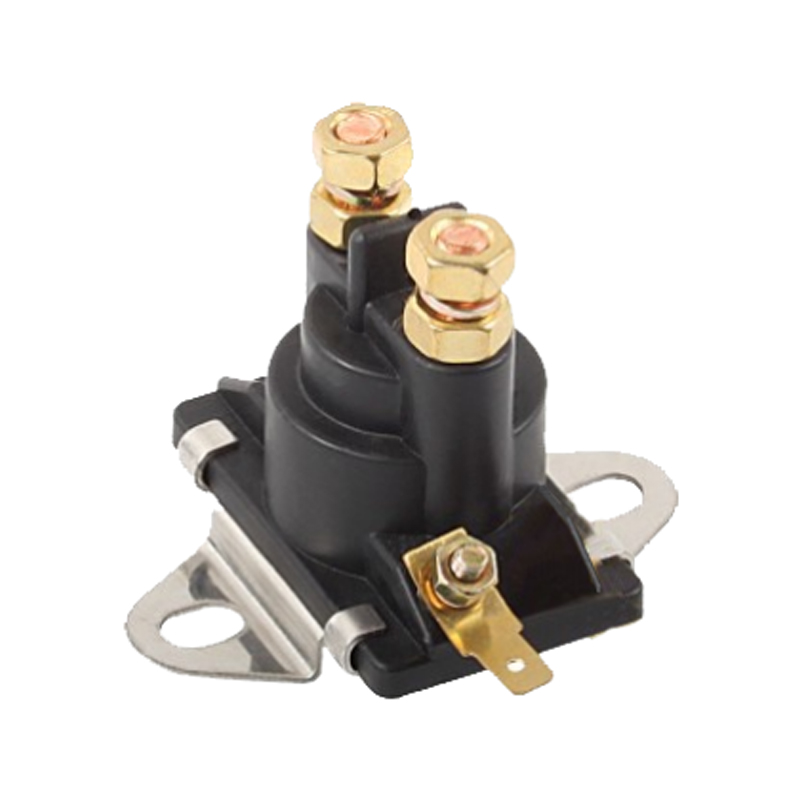
Factors Affecting Vibration Resistance
Internal Contact Design:
- Spring-loaded or compliant contacts maintain firm electrical engagement even under vibration.
- Multi-point contacts distribute mechanical stress, reducing the chance of intermittent connectivity.
Housing Material and Structure:
- Use of rigid, thermally stable plastics or reinforced composites increases structural integrity.
- Properly designed housings prevent flexing or deformation that could disrupt internal contacts.
Mounting Configuration:
- Direct PCB or chassis mounting with secure fasteners reduces relay movement during vibration.
- Isolation mounts or vibration-damping pads can absorb mechanical energy.
Shock Resistance Considerations
Contact Retention Force:
- High retention force ensures contacts remain engaged during sudden impacts.
- Overly stiff contacts may wear faster, so a balance between force and compliance is necessary.
Relay Housing and Enclosure:
- Shock-resistant housings distribute impact energy away from critical internal components.
- Sealed designs protect contacts from water ingress and debris during sudden shocks.
PCB and Wiring Design:
- Flexible or reinforced wiring reduces mechanical stress transfer to the relay.
- Short, secure connections prevent mechanical leverage from causing failures.
Testing Methods for Vibration and Shock
- Vibration Testing Standards:
IEC 60068-2-6 and MIL-STD-202 provide guidelines for sinusoidal and random vibration tests.
Tests simulate engine vibrations, boat movement, and transportation conditions.
- Shock Testing Protocols:
IEC 60068-2-27 or similar standards simulate sudden impacts and drop scenarios.
Measurement of electrical continuity before, during, and after shock verifies performance.
- Performance Metrics:
Contact resistance should remain within specification limits under dynamic conditions.
No intermittent openings or permanent deformation should occur after testing.
Material and Design Optimization
High-Quality Contact Metals:
Silver, copper alloys, or gold-plated contacts resist wear and corrosion.
Reduced oxidation ensures consistent electrical performance under vibration and shock.
Robust Coil and Spring Design:
Coils should resist thermal and mechanical stress without warping.
Springs maintain constant contact pressure, mitigating vibration-induced interruptions.
Protective Encapsulation:
Epoxy or overmolded housings improve mechanical integrity.
Protects internal components from moisture, dust, and mechanical stress.
Environmental and Operational Considerations
Marine Operating Conditions:
- Saltwater, humidity, and temperature fluctuations increase stress on relays.
- Corrosion-resistant materials and sealed housings enhance durability.
Load Impact on Vibration Sensitivity:
- High-current loads increase heating and mechanical strain during operation.
- Proper derating and current management reduce combined thermal and mechanical stress.
Routine Inspection and Maintenance:
- Regular checks for loose connections, corrosion, and wear prolong relay life.
- Early detection of minor mechanical issues prevents failure during critical operations.
Applications and Benefits
1. Outboard Engines in Boats:
Relays control starters, fuel pumps, ignition systems, and accessories.
Reliable vibration and shock resistance ensure smooth engine startup and operation.
2. Commercial Marine Vessels:
Ferries, fishing boats, and workboats face harsher vibrations and shocks.
High-performance relays reduce maintenance downtime and improve operational safety.
3. Recreational Boats:
Recreational motorboats often experience sudden impacts from waves or docking.
Shock-resistant relays prevent intermittent electrical faults that could impact safety or performance.
Conclusion
Outboard Motor Relay performance under vibration and shock is influenced by contact design, housing materials, mounting configuration, and environmental exposure.
Testing according to international vibration and shock standards ensures relays can handle real-world marine conditions.
Material selection, protective encapsulation, and proper mechanical design are essential to maintain electrical continuity and reliability.
By understanding and evaluating these factors, engineers can select or design relays that ensure long-term durability, safe operation, and reduced failure rates in marine applications.
Related Products
Looking For Business Opportunity?
Request for a call today

No.128, Qianjin Road, Qianfeng Industrial Zone, Tangxia Town, Ruian, Zhejiang, China
-
-
Sophia Ye
-
Phone: +86-15305875100
-
WhatsApp: 15305875100
-
Email: [email protected]
-
- Mobile Terminal
Copyright 2024 Zhejiang Xiangrui Auto Electric Co., Ltd.

Relays And Modified Parts Factory
