- Tel: +86-15305875100
- E-mail: [email protected]
- Please contact us if you have questions.
CONTACT US


 English
 Español


Industry News
Nov 06,2026
How Do Panel Control Components Simplify Equipment Expansion
Industrial equipment seldom stays the same throughout its service life. A machine may begin with a basic set of functions, then pick up extra sensors, control stations, safety devices, or automated steps as production needs change. Those changes get awkward when the original control cabinet has no spare room or when its wiring is hard to extend.
Well-planned Panel Control Components give new devices a clear place inside the existing control system. Reserved space, grouped layouts, organized interfaces, and reachable wiring routes let engineers add a function without redesigning the whole cabinet each time. The work starts at the original design stage, because a cabinet built only for today's machine can make tomorrow's upgrade slow and expensive.
Why Expansion Belongs in the Original Design
Expansion usually begins with a small request. A plant might add a sensor to watch another part of a process, introduce a new operating mode, or connect one more device to the machine controller. Each change needs new connections, control logic, circuit protection, and physical room inside the cabinet.
When the layout was drawn only for the current configuration, even a small addition can disturb nearby wiring and devices. Technicians may have to move existing parts, swap out a panel, or rewrite control logic before the new function can run. Planning ahead does not mean predicting every future need. It means leaving a sensible path for reasonable changes without making the cabinet harder to operate or service.
The real requirements depend on the machine and where its owner expects it to go. Looking at likely upgrade paths helps engineers decide which areas deserve extra flexibility.
Reserved Space That Actually Works
Reserved space gives technicians room to mount new devices without reshuffling the layout. It also gives access for wiring and inspection when a new function arrives. Empty space alone does not make an upgrade easy, though, because the area must suit the intended devices and keep the clearances, electrical separation, heat management, and service access the design calls for.
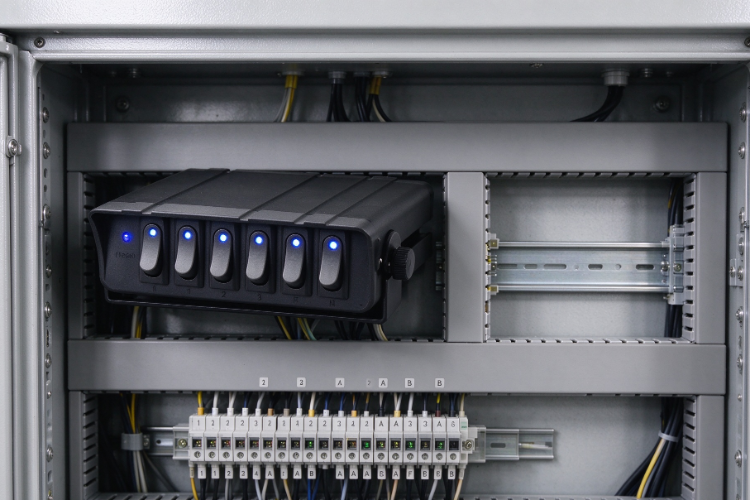
A cabinet may have a free corner and still be difficult to expand if cable routes are blocked or existing parts leave no practical way to reach a terminal. Space planning should consider where new devices will sit, how they will connect, and how they will talk to the current controller.
Engineers can review a few areas when setting space aside:
- Mounting areas for additional components.
- Routes for future wiring and cable entry.
- Access to terminals and connection points.
- Room to remove or replace existing devices.
- Separation between circuits with different needs.
- Space for ventilation and heat management.
Checking these points keeps the reserved area from turning into an isolated gap that cannot support a real upgrade. It also gives machine builders and suppliers something concrete to discuss before the cabinet is manufactured.
How a Modular Layout Supports Change
A modular layout sorts components into functional groups instead of treating the cabinet as one continuous collection of devices. Power distribution, control functions, signal connections, and communication equipment each get an area that matches their role.
That structure makes upgrades easier to place. A new sensor interface may belong in the signal area, while a switching device may need space beside related control parts. Modular organization also helps when a change touches only part of the system. A technician can often add or replace one functional group without disturbing unrelated wiring, provided the design allows it and the required safety procedures are followed.
| Modular Feature | Benefit During Expansion |
|---|---|
| Functional component groups | Shows where new devices belong |
| Separated wiring areas | Keeps added connections organized |
| Consistent mounting arrangements | Supports planned replacement |
| Accessible terminal groups | Simplifies connection changes |
| Documented module relationships | Clarifies system dependencies |
A modular layout still has to be judged as a whole. New devices may change power demand, heat, wiring paths, or the controller's available functions, so every addition needs a check against the complete system.
Interface Planning Before New Functions Arrive
Interfaces connect new equipment to the existing control system. They include input and output connections, communication links, terminals, and switching devices that let a controller operate another component. When nobody considered them during the original design, a new function can force extensive rewiring because the needed connection simply does not exist.
Planning begins with a plain question: what does the new function need to send and receive? Engineers can then check whether the current controller has suitable connections or whether extra interface devices or controller changes are necessary.
A useful review covers a few points:
- Signal requirements: The information the new device sends or receives.
- Connection method: How the device attaches to the existing system.
- Control logic: How the new function interacts with current operations.
- Power and protection: The electrical supply and protective arrangements.
- Documentation: Updated drawings and connection records.
Careful interface planning also keeps a new device from interfering with existing functions. Any new loop should be reviewed as part of the full machine sequence, especially when it depends on sensors or actuators already in use.
Designing Control Loops for Added Functions
A control loop describes how a system receives information, makes a decision, and directs a device to act. Adding a function may call for another loop or a change in how existing loops interact. A machine might begin by controlling a simple movement, then need a sensor to confirm position or watch a separate condition. That sensor needs a suitable connection, and the controller needs logic that explains how its reading affects operation.
The design should also describe what happens when a signal goes missing, arrives inconsistent, or falls outside expected conditions. That carries extra weight when the added function influences machine safety or could affect other equipment.
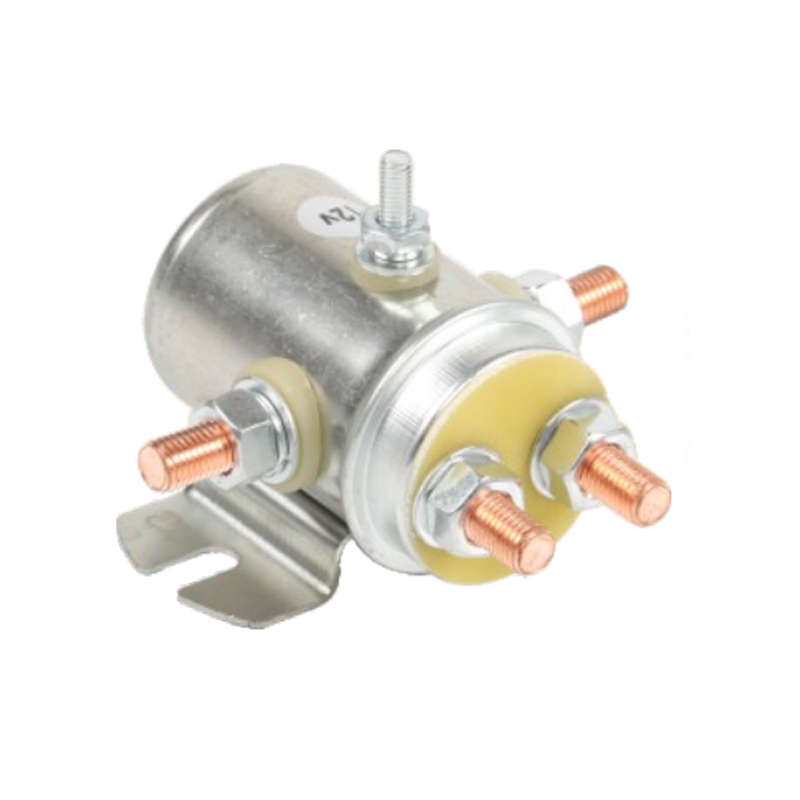
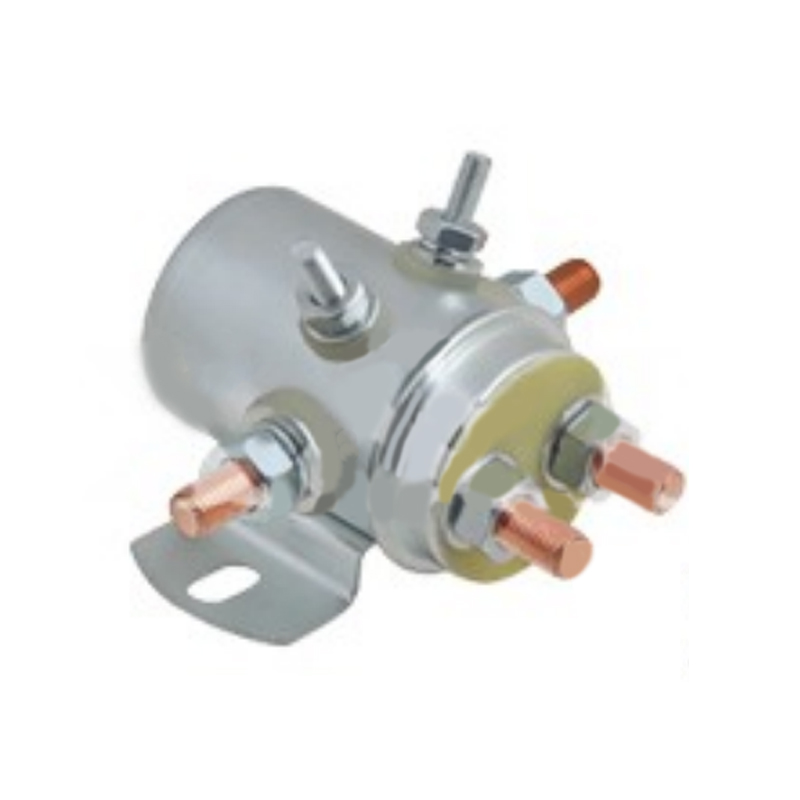
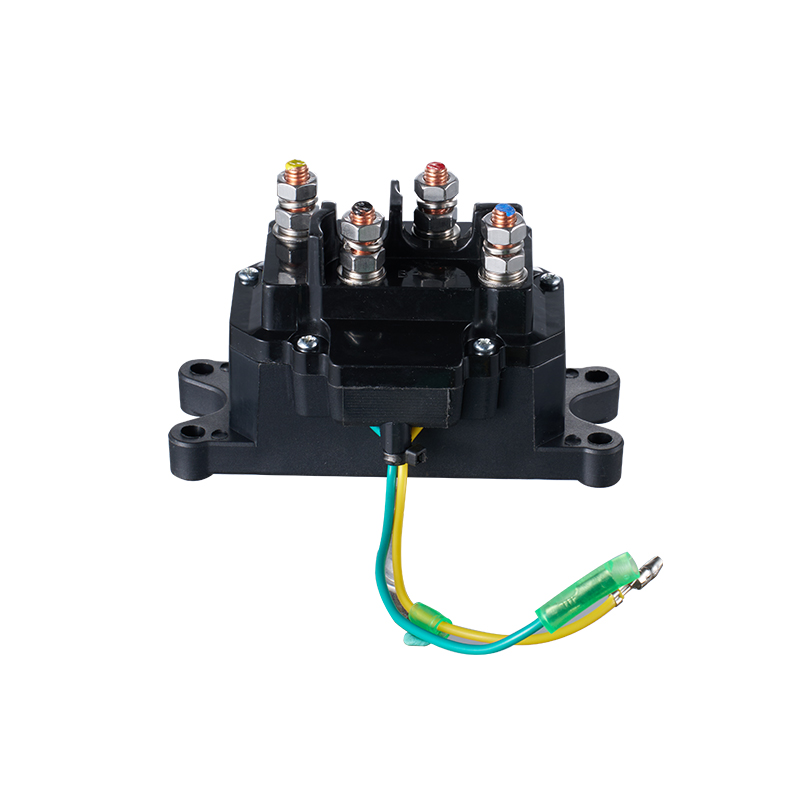
An Electric Solenoid Switch often forms part of an added control function, because it switches an electrical circuit in response to a suitable command. Before integrating one, engineers should confirm that it matches the control output, power arrangement, operating sequence, and required protection. A spare terminal does not mean a new loop can be added without other changes. Controller capacity, software logic, power distribution, circuit protection, and the behavior of connected equipment all need review.
Wiring and Documentation for Later Modifications
Future expansion often means new wiring, changed terminal assignments, or updates to how devices relate to each other. If the original wiring is crowded or poorly labeled, technicians spend time tracing circuits before they can safely add a connection. An organized layout separates functions and keeps connection points reachable. Cable routes should leave room for additions without blocking parts that need regular inspection.
Documentation matters just as much. The cabinet layout, wiring diagrams, component identifiers, and terminal records should describe the installed system accurately, and they should be updated whenever something changes so later technicians never work from an outdated design.
Consistent records help machine builders, integrators, maintenance teams, and suppliers talk about the same system. They also make it easier to judge whether a proposed upgrade fits the existing arrangement or needs a broader redesign.
Accommodating New Automation Devices
As equipment develops, manufacturers add sensors, actuators, monitoring devices, and automated handling functions. These additions can improve how a machine collects information or carries out its work, but they also place new demands on the cabinet. It may need more input and output connections, a communication interface, or changes to power and protection.
New devices should be chosen for the job they must perform. Their electrical requirements, signal types, mounting needs, and environment all deserve review before installation. The same rule applies when a machine adds an Electric Solenoid Switch or another electrically operated part. The component must work with the control system and the load it operates, rather than being picked only because it fits the available space.
Panel Control Components arranged with expansion in mind make it easier to see where each addition belongs and what supporting changes it might need. They also help engineers decide whether a new function can be added on its own or must be coordinated with existing operations.
What to Review Before Expanding an Existing Cabinet
Any upgrade should begin with a look at the installed system. Engineers need to understand the cabinet's current functions, free space, interfaces, wiring, and documentation before deciding how to add a device. The review should go beyond physical fit, since a new component may need a different supply, extra circuit protection, new logic, or a change in how the machine responds to an input.
A practical assessment can follow this sequence:
- Define the new function and how it relates to existing operations.
- Identify the devices, signals, and connections it requires.
- Review mounting space and wiring routes.
- Check controller capacity and control logic.
- Assess power distribution and protective arrangements.
- Review safety implications and applicable requirements.
- Update drawings and component records.
- Test the integrated system before returning it to normal service.
The scope depends on the change. A small addition may need only a limited modification, while a new operating mode or safety-related function can touch several parts of the system. Equipment manufacturers and integrators who think about these needs during the original design give later upgrades a clearer path and keep the existing equipment easy to service.
Related Products
Looking For Business Opportunity?
Request for a call today

No.128, Qianjin Road, Qianfeng Industrial Zone, Tangxia Town, Ruian, Zhejiang, China
-
-
Sophia Ye
-
Phone: +86-15305875100
-
WhatsApp: 15305875100
-
Email: [email protected]
-
- Mobile Terminal
Copyright 2024 Zhejiang Xiangrui Auto Electric Co., Ltd.

Relays And Modified Parts Factory
