- Tel: +86-15305875100
- E-mail: [email protected]
- Please contact us if you have questions.
CONTACT US


 English
 Español

Industry News
Jan 02,2026
Durability of Switch Panel Factory in Harsh Environments
Introduction to Harsh Environment Challenges
A Switch Panel Factory produces control panels for various industrial, commercial, and residential applications. One critical factor in panel design is durability under extreme conditions, particularly high temperatures and high humidity. Understanding how these environmental factors affect switch panels ensures reliable performance, longer lifespan, and reduced maintenance costs.
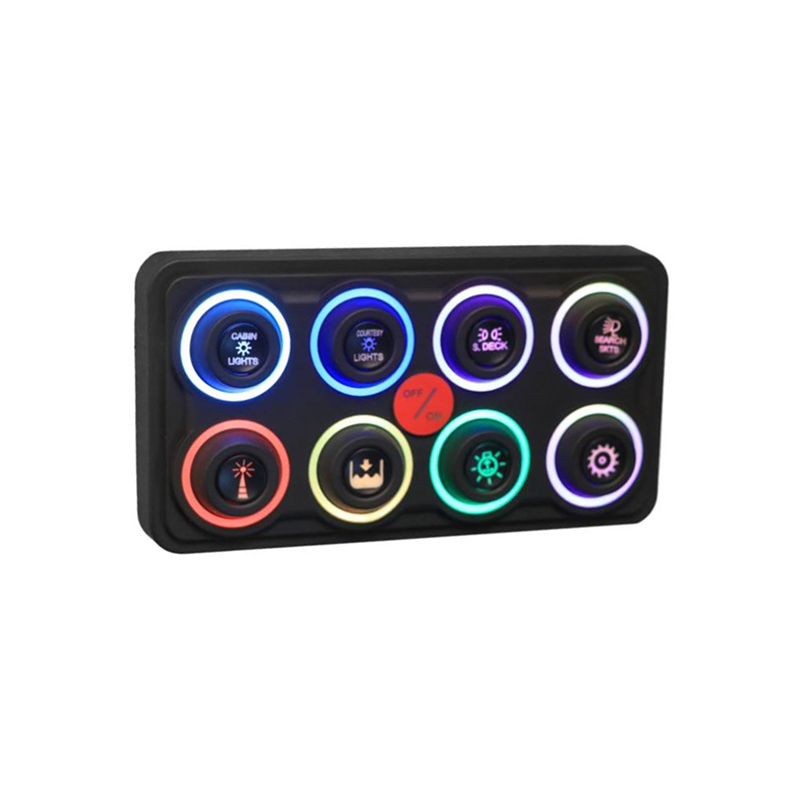
Effects of High Temperature on Switch Panels
Material Degradation:
Excessive heat can cause plastic or polymer components to warp, discolor, or lose structural integrity. Metal parts may expand, potentially affecting mechanical tolerances and contact reliability.
Electrical Component Stress:
High temperatures increase resistance in conductors and can accelerate the aging of electronic components such as relays, circuit boards, and fuses. This can cause premature failure or inconsistent operation.
Insulation Breakdown:
Prolonged exposure to heat can degrade insulation on wires and connectors, increasing the risk of short circuits or leakage currents. Proper material selection and thermal management are essential to prevent these issues.
Effects of High Humidity on Switch Panels
Corrosion of Metal Parts:
Moisture can cause oxidation or corrosion of metallic contacts, screws, and terminals. This reduces electrical conductivity and can cause erratic switching or total failure.
Condensation Risks:
In humid environments, condensation may form inside the panel, especially if temperature fluctuations are frequent. This can create short circuits, trigger false signals, or damage sensitive electronics.
Mold and Mildew Formation:
High humidity can encourage mold or mildew growth on non-metallic components, causing physical deterioration and potential health hazards for operators.
Design Strategies for Enhanced Durability
1. Use of High-Temperature Materials:
Panels designed for hot environments utilize heat-resistant plastics, ceramics, and coated metals that maintain structural integrity and electrical performance.
2. Protective Coatings and Plating:
Corrosion-resistant coatings, such as powder coating, anodizing, or nickel plating, protect metal contacts and terminals from humidity-induced damage.
3. Sealed Enclosures:
IP-rated or fully sealed enclosures prevent moisture ingress. Gaskets, silicone seals, and O-rings ensure that the interior remains dry even under extreme humidity or water exposure.
4. Ventilation and Cooling Systems:
Some panels include passive vents, heat sinks, or active cooling solutions to maintain a stable internal temperature and prevent thermal stress on components.
Testing and Certification
- Environmental Testing:
Switch panels from a Switch Panel Factory undergo rigorous testing, including thermal cycling, salt spray, and humidity exposure, to ensure they meet performance standards under extreme conditions.
- Compliance with Standards:
Compliance with international standards, such as IEC 60529 for ingress protection or UL 508A for industrial control panels, guarantees that panels are capable of withstanding high temperatures and moisture.
Maintenance Considerations
Regular Inspections:
Periodic checks for corrosion, insulation integrity, and component wear help detect early signs of environmental damage.
Cleaning and Protective Treatments:
Removing dust, dirt, and moisture, along with applying protective sprays or lubricants, can extend the operational life of the panel.
Replacement of Vulnerable Components:
High-risk parts, such as contacts and connectors, may need replacement more frequently in harsh conditions to maintain reliability.
Switch panels manufactured by a Switch Panel Factory can achieve high durability in hot and humid environments through careful material selection, protective coatings, sealed enclosures, and thermal management. By understanding the effects of temperature and humidity on mechanical and electrical components, designers can mitigate risks and ensure consistent operation. Regular maintenance, environmental testing, and adherence to industry standards further enhance panel longevity and reliability, making these panels suitable for demanding industrial and commercial applications where environmental conditions are challenging.
Related Products
Looking For Business Opportunity?
Request for a call today

No.128, Qianjin Road, Qianfeng Industrial Zone, Tangxia Town, Ruian, Zhejiang, China
-
-
Sophia Ye
-
Phone: +86-15305875100
-
WhatsApp: 15305875100
-
Email: [email protected]
-
- Mobile Terminal
Copyright 2024 Zhejiang Xiangrui Auto Electric Co., Ltd.

Relays And Modified Parts Factory
